Introduction to Waterproof Proximity Sensors
In industrial and outdoor applications, the reliability of sensing technology is paramount. Waterproof proximity sensors have emerged as critical components, designed to detect the presence or absence of objects without physical contact, even in wet, dusty, or corrosive conditions. These sensors utilize various technologies, including inductive, capacitive, and ultrasonic principles, to perform accurately where standard sensors would fail. By incorporating sealed housings, specialized materials, and robust designs, they ensure consistent operation in environments exposed to water, chemicals, and extreme temperatures. This makes them indispensable in sectors such as manufacturing, automotive, marine, and agriculture, where moisture and contaminants are common challenges.
Key Technologies and Working Principles
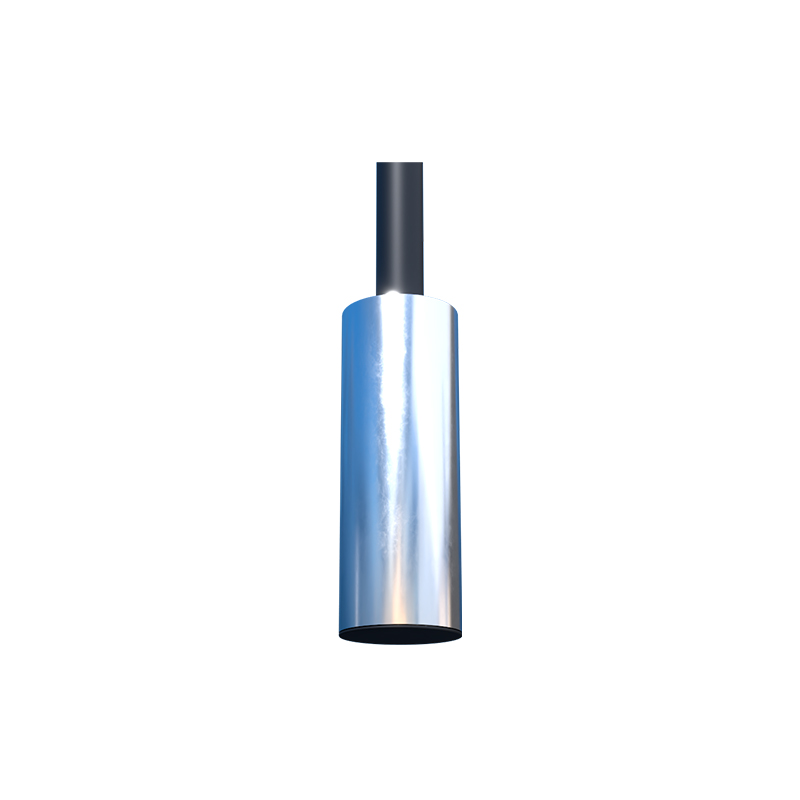
Waterproof proximity sensors operate based on non-contact detection methods. Inductive sensors, for instance, generate an electromagnetic field to detect metallic objects, making them ideal for metal detection in machinery. Capacitive sensors, on the other hand, respond to both metallic and non-metallic materials by measuring changes in capacitance, useful in liquid level sensing. Ultrasonic sensors use sound waves to gauge distance, excelling in applications requiring precise measurement in damp areas. The waterproofing is achieved through IP (Ingress Protection) ratings, such as IP67 or IP68, which denote resistance to dust and water immersion. These ratings ensure the internal electronics are shielded from moisture ingress, often via epoxy resin sealing, stainless steel casings, or polymer coatings that withstand harsh conditions.
Applications in Diverse Industries
The versatility of waterproof proximity sensors drives their adoption across multiple fields. In the automotive industry, they monitor fluid levels and detect parts on assembly lines, even when exposed to coolants or rain. Marine applications rely on them for navigation and equipment monitoring, where saltwater corrosion is a constant threat. Agriculture benefits from these sensors in irrigation systems and machinery, operating reliably in muddy or wet fields. Additionally, in food processing, waterproof sensors ensure hygiene by resisting washdowns with high-pressure water and cleaning agents. Their ability to function in temperatures ranging from -40°C to 85°C further expands their use in outdoor and cold storage environments, enhancing safety and efficiency.
Advantages Over Standard Sensors
Compared to non-waterproof variants, waterproof proximity sensors offer significant benefits. Their durability reduces maintenance costs and downtime, as they are less prone to failure from environmental exposure. Enhanced accuracy in moist conditions prevents false triggers, improving system reliability. Moreover, their long service life, often exceeding millions of cycles, makes them a cost-effective investment. By integrating these sensors, businesses can achieve higher productivity and compliance with safety regulations, especially in industries where water or chemical exposure is routine. The initial higher cost is offset by reduced replacement needs and improved operational continuity.
Selection Criteria for Optimal Performance
Choosing the right waterproof proximity sensor involves several factors. First, consider the IP rating based on the environment—IP67 for temporary water immersion and IP68 for prolonged submersion. The sensing range and technology (inductive, capacitive, or ultrasonic) should match the target material and application requirements. Material compatibility is crucial; for corrosive settings, sensors with stainless steel or PTFE coatings are preferred. Electrical specifications, such as voltage and output type (e.g., PNP or NPN), must align with the control system. Additionally, temperature tolerance and mounting options should be evaluated to ensure seamless integration. Consulting manufacturer guidelines and testing in real-world conditions can help optimize selection.
Future Trends and Innovations
The future of waterproof proximity sensors is shaped by advancements in miniaturization, connectivity, and smart features. Emerging trends include the integration of IoT capabilities, allowing sensors to transmit data wirelessly for real-time monitoring and predictive maintenance. Enhanced materials, such as graphene-based coatings, promise greater resistance to extreme conditions. Energy-efficient designs are also gaining traction, supporting sustainable operations. As industries automate further, these sensors will play a pivotal role in smart factories and autonomous systems, driving innovation in harsh environment sensing. Continuous research aims to improve sensitivity and reduce costs, making them accessible for broader applications.
Conclusion and Best Practices
Waterproof proximity sensors are vital for maintaining operational integrity in challenging environments. To maximize their benefits, regular inspection and cleaning are recommended to prevent debris buildup. Follow installation guidelines to avoid damage to seals, and use compatible accessories like waterproof connectors. When issues arise, troubleshooting often involves checking power supply and environmental factors before assuming sensor failure. By investing in high-quality sensors and adhering to best practices, industries can enhance reliability and safety. As technology evolves, staying updated on new developments will ensure optimal use of these essential components.