Understanding Proximity Sensor Types and Their Impact on Price
When consulting on the cost of replacing a proximity sensor, the first and most critical factor is the sensor type. The industrial market primarily utilizes inductive, capacitive, and ultrasonic proximity sensors, each with distinct operating principles and price points. Inductive sensors, used for detecting metallic objects, are generally the most cost-effective, especially in standard cylindrical housings (e.g., M8, M12, M18, M30). Prices can range significantly based on sensing distance, housing material, and output type (PNP/NPN, NO/NC). Capacitive sensors, capable of detecting non-metallic materials like liquids or plastics, typically command a higher price due to their more complex circuitry. Ultrasonic sensors, offering long-range detection and material-independent operation, represent the premium segment. A replacement quote must always start with correctly identifying the failed sensor's type, model number, and specifications to ensure an accurate comparison.
Key Specifications That Drive Replacement Costs
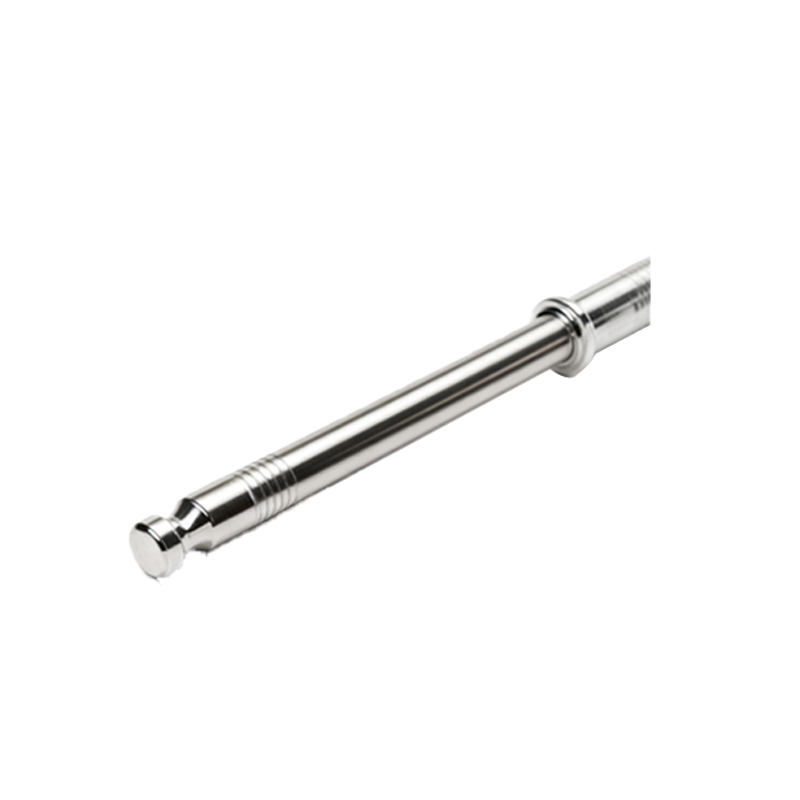
Beyond the basic type, several technical specifications directly influence the price of a proximity sensor replacement. The sensing range is a primary driver; a 2mm inductive sensor is far less expensive than one with a 15mm range. The housing material also plays a role—stainless steel or nickel-plated brass housings for washdown or corrosive environments cost more than standard nickel-plasstic or PBT housings. Output configuration is another key factor. A simple two-wire AC sensor might be cheaper than a three-wire DC sensor, but the latter offers better performance and compatibility with modern PLCs. Furthermore, special features like analog output (4-20mA, 0-10V), IO-Link communication, or high-temperature resistance can substantially increase the unit cost. Always verify the required IP (Ingress Protection) rating (e.g., IP67, IP69K) for the application.
OEM vs. Aftermarket and Generic Alternatives
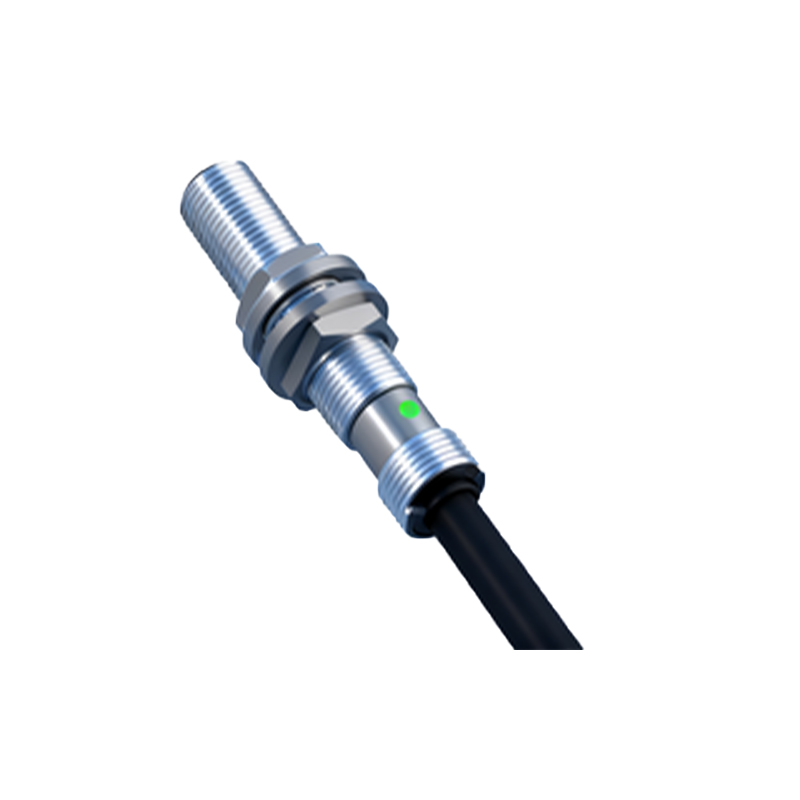
A major decision in any replacement project is choosing between an Original Equipment Manufacturer (OEM) part and an aftermarket or generic equivalent. OEM sensors, bearing the brand name of the machine manufacturer (e.g., Siemens, Allen-Bradley, Omron, Sick), guarantee perfect form, fit, and function but come at a premium price, often including significant markup. Aftermarket sensors from reputable industrial automation brands (e.g., Turck, Pepperl+Fuchs, ifm electronic) that meet or exceed the original specifications can offer substantial savings—sometimes 30% to 50%—without sacrificing reliability or performance. Generic or unbranded sensors may offer the lowest upfront cost but carry risks regarding quality consistency, longevity, and technical support. The total cost of ownership, including potential downtime from premature failure, must be considered.
Labor, Downtime, and the Hidden Costs of Replacement
The sensor's unit price is only one component of the total replacement cost. Labor is a significant, often overlooked, factor. The cost varies dramatically depending on the sensor's location: is it easily accessible on a machine frame, or is it buried inside a complex assembly requiring hours of disassembly? Downtime is the most critical hidden cost. In a continuous production environment, machine stoppage can cost thousands of dollars per hour. Therefore, investing in a higher-quality, more reliable sensor or choosing a supplier with guaranteed fast shipping (even at a higher unit cost) can be far more economical than selecting the cheapest option that leads to frequent failures and lengthy procurement times. Planning replacements during scheduled maintenance windows is the most cost-effective strategy.
How to Get an Accurate Price Quote and Source Reliable Parts
To obtain a precise and competitive quote for proximity sensor replacement, preparation is essential. Provide potential suppliers with the exact model number and a clear photo of the nameplate. If the model is obsolete, share the critical specifications: type, sensing distance, thread size, voltage, output type, and connector style. Reputable distributors and online platforms specializing in industrial automation components are reliable sources. When requesting quotes, explicitly ask for lead times, warranty terms (typically 1-3 years for quality sensors), and minimum order quantities. For critical applications, consider purchasing a spare sensor to keep in inventory, mitigating future downtime. Building a relationship with a knowledgeable technical distributor can provide invaluable support in selecting the correct, cost-optimal replacement part for your specific application.