Introduction to Photoelectric Speed Sensors
Photoelectric speed sensors are pivotal components in modern industrial fan monitoring systems. These devices operate on the principle of converting light beam interruptions into precise electrical signals, enabling accurate measurement of rotational speed. Unlike mechanical tachometers or magnetic sensors, photoelectric variants offer non-contact measurement, eliminating wear and tear and ensuring long-term reliability. In fan applications, they are typically mounted adjacent to the rotating shaft, where a reflective marker or slotted disk modulates a light source. The subsequent pulse train generated is proportional to the fan's rotational velocity, providing critical data for process control and predictive maintenance. Their immunity to electromagnetic interference makes them particularly suitable for environments with variable frequency drives or heavy electrical machinery.
Key Operational Principles and Components
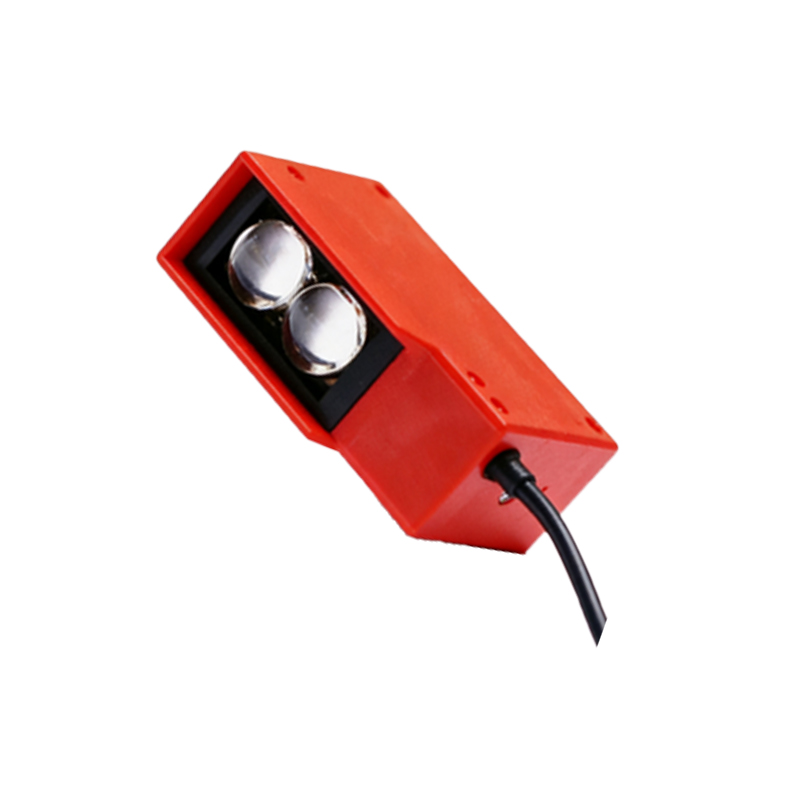
The core functionality of a photoelectric fan speed sensor hinges on three primary elements: an emitter, a receiver, and a signal conditioning circuit. The emitter, often an infrared LED, projects a focused light beam toward the receiver, which is a phototransistor or photodiode. When a fan blade or a dedicated reflector attached to the shaft passes through this beam, it causes a momentary interruption or reflection change. This optical event is detected by the receiver and converted into a low-voltage digital pulse. Advanced sensors incorporate microprocessors to filter noise, calculate RPM (Revolutions Per Minute), and output standardized signals such as 4-20 mA analog or pulse per revolution (PPR) digital formats. Enclosures are rated to IP67 or higher, ensuring resilience against dust, moisture, and vibration commonly found in HVAC, power generation, and manufacturing settings.
Advantages Over Alternative Sensing Technologies
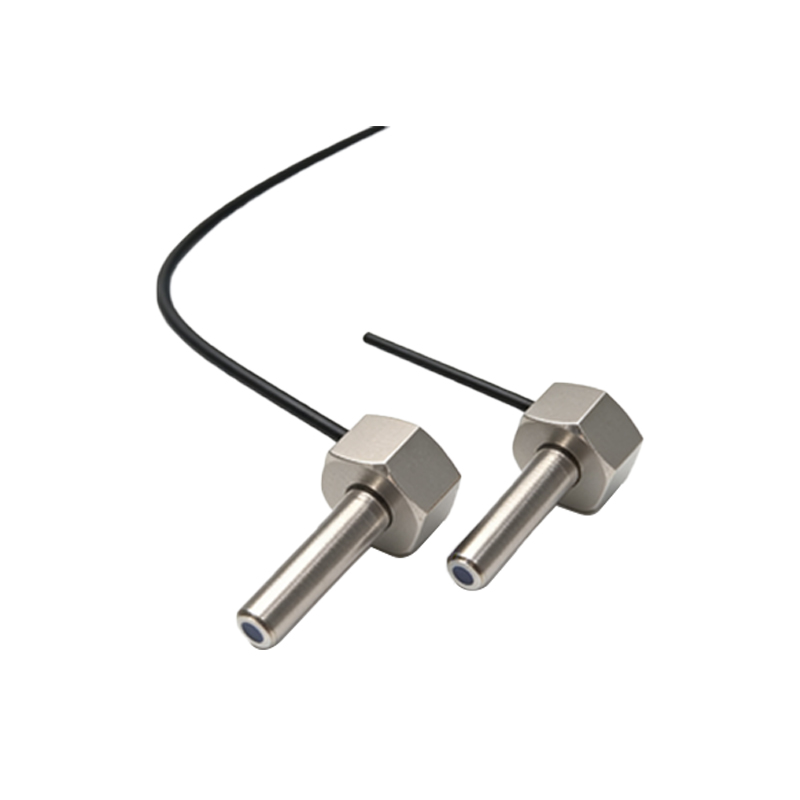
Selecting photoelectric sensors for fan speed monitoring presents distinct benefits compared to inductive or capacitive counterparts. Firstly, their non-contact nature eliminates mechanical loading on the fan shaft, preserving energy efficiency and reducing maintenance downtime. Secondly, they deliver exceptional accuracy, with typical resolutions exceeding 0.1% of full scale, even at very low rotational speeds where magnetic sensors may falter. This precision is crucial for applications like centrifugal blowers in wastewater treatment or exhaust fans in chemical plants, where speed deviations can indicate impending failures. Additionally, photoelectric sensors can detect minute markers on small-diameter shafts, offering design flexibility. Their rapid response time, often under one millisecond, allows for real-time control in dynamic systems such as variable air volume (VAV) systems or industrial cooling towers.
Critical Installation and Calibration Guidelines
Proper installation is paramount to ensure optimal performance and longevity of photoelectric fan speed sensors. Engineers must consider alignment, mounting distance, and environmental factors. The sensor should be positioned perpendicular to the reflective surface or directly opposite the emitter in through-beam configurations, with a gap typically specified between 5 mm to 50 mm depending on the model. Calibration involves setting the sensing window and threshold to avoid false triggers from ambient light or particulate matter. Shielding conduits or using modulated light sources can mitigate interference. Regular maintenance includes lens cleaning to prevent obscuration by oil mist or dust accumulation. For critical applications, redundant sensor setups with automatic switchover are recommended to maintain continuous monitoring without single points of failure.
Integration with Industrial Control Systems
Modern photoelectric speed sensors are integral to Industry 4.0 frameworks, seamlessly interfacing with Programmable Logic Controllers (PLCs), Distributed Control Systems (DCS), and IoT platforms. Output signals are transmitted via industrial protocols like Modbus, Profibus, or IO-Link, enabling centralized monitoring and data logging. This integration facilitates predictive analytics, where speed trends are analyzed to forecast bearing wear, imbalance, or blade fouling. In smart building management, fan speed data from photoelectric sensors can optimize energy consumption by adjusting airflow based on real-time demand, contributing to sustainability goals. Cybersecurity measures, such as encrypted data transmission, are increasingly incorporated to protect critical infrastructure from unauthorized access.
Common Challenges and Troubleshooting Strategies
Despite their robustness, photoelectric sensors may encounter operational issues. Ambient light saturation, particularly from high-intensity discharge lamps, can overwhelm the receiver; using infrared filters or synchronous detection circuits alleviates this. Contamination on optical surfaces is another frequent concern, necessitating periodic inspection and cleaning with non-abrasive solvents. Electrical noise from adjacent power lines can corrupt signals, requiring proper grounding and shielded cables. Diagnostic features like built-in LED indicators for signal strength or self-test functions aid in rapid troubleshooting. When persistent inaccuracies occur, verifying marker reflectivity, alignment, and supply voltage stability often resolves the problem without requiring sensor replacement.
Future Trends and Technological Advancements
The evolution of photoelectric speed sensing is driven by miniaturization, enhanced connectivity, and smarter diagnostics. Emerging sensors incorporate MEMS-based optical components, reducing size and power consumption while increasing sampling rates. Wireless versions utilizing Bluetooth or Zigbee protocols simplify installation in hard-to-reach fan locations. Artificial intelligence algorithms are being embedded to differentiate between normal speed fluctuations and anomalous patterns indicative of faults. Furthermore, the integration of LiDAR principles allows for 3D mapping of fan blade vibrations alongside speed measurement, providing a more comprehensive health assessment. These advancements promise higher reliability, lower lifecycle costs, and deeper insights for industrial asset management in the coming decade.