Introduction to 6-Wire Proximity Sensor Switches
In the realm of industrial automation and control systems, proximity sensor switches are indispensable components for non-contact detection of metallic and non-metallic objects. Among the various configurations available, the 6-wire proximity sensor switch stands out for its enhanced functionality and diagnostic capabilities. This type of sensor integrates the core sensing element with a built-in amplifier and provides separate wiring for power, output, and a unique diagnostic or auxiliary signal. This architecture offers superior reliability and detailed operational feedback, making it a preferred choice in complex machinery, safety-critical applications, and systems requiring advanced monitoring. Unlike simpler 2-wire or 3-wire sensors, the 6-wire variant provides a clear distinction between the load switching output and a separate status indicator, allowing for real-time health checks without interfering with the primary control circuit.
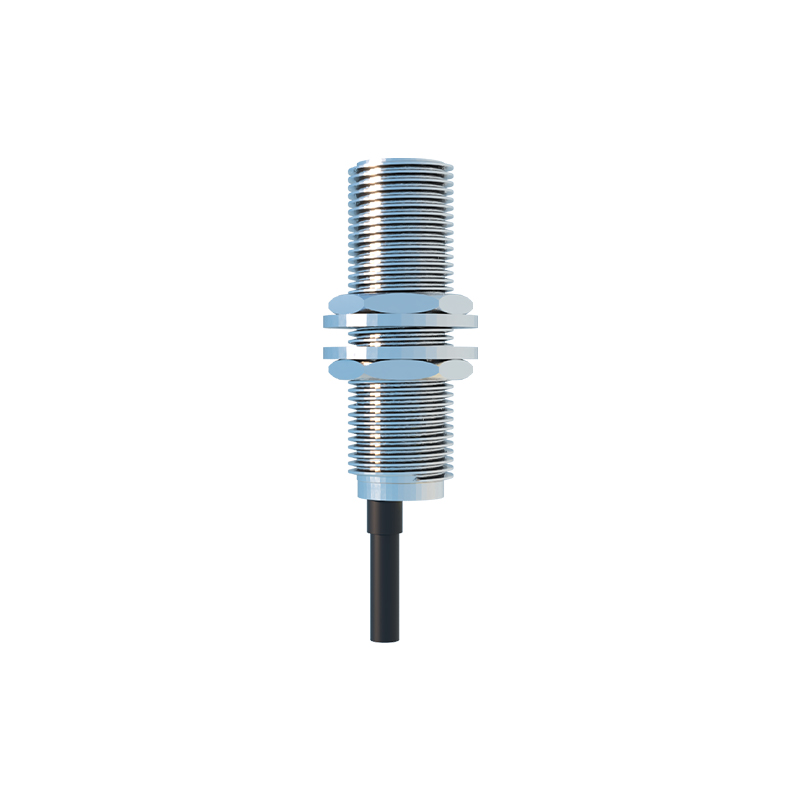
Internal Architecture and Wiring Configuration
The defining feature of a 6-wire proximity sensor is its terminal configuration. Typically, the wiring is arranged as follows: two wires for the power supply (usually labeled V+ and V- or Brown and Blue), two wires for the primary switching output (often a relay or solid-state output like NPN/PNP, labeled Black and White), and two wires for a separate diagnostic or complementary output (often labeled Gray and Pink). The diagnostic output is a key differentiator. It can be configured to indicate various states, such as sensor readiness (power-on), target detection confirmation, or even fault conditions like short-circuit or overload on the main output. This dual-output system allows control systems to not only actuate based on target presence but also to monitor the sensor's own operational integrity, enabling predictive maintenance and reducing unexpected downtime.
Key Advantages in Industrial Settings
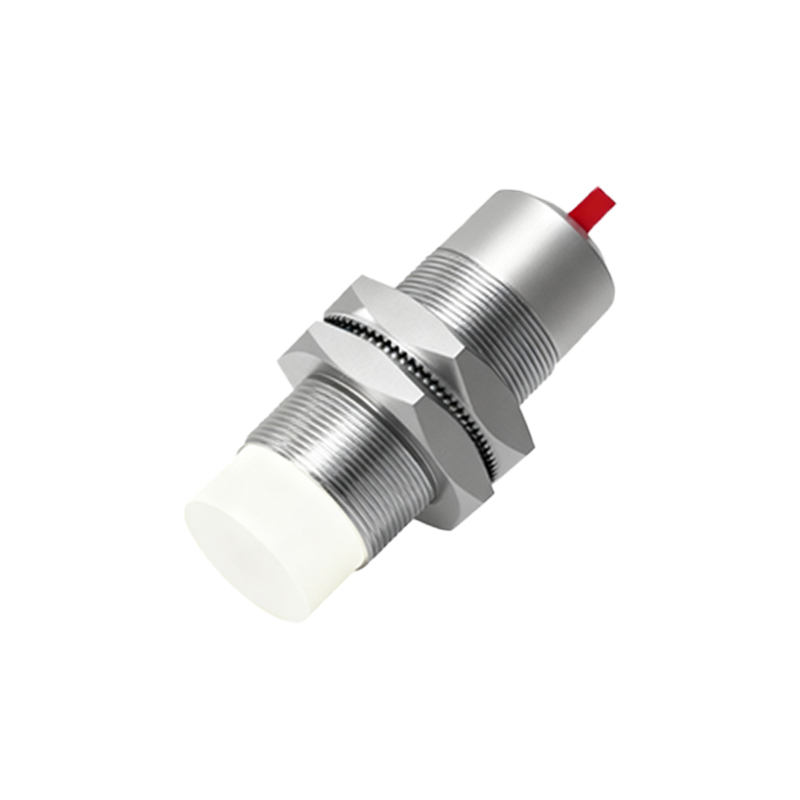
The primary advantage of utilizing a 6-wire proximity switch lies in its diagnostic and safety features. In high-speed production lines or automated storage systems, a sensor failure can cause significant disruptions. The auxiliary output provides an immediate signal if the sensor malfunctions or if its sensing face becomes contaminated, allowing for swift intervention before a minor issue escalates into a major stoppage. Furthermore, the separation of the load-carrying output from the status signal enhances electrical noise immunity and prevents feedback issues within the control logic. This makes 6-wire sensors exceptionally robust in environments with heavy electromagnetic interference from motors, welders, or frequency drives. Their design also simplifies troubleshooting for maintenance technicians, as the status LED or signal provides a clear, isolated indication of sensor health.
Selection Criteria and Application Examples
Selecting the appropriate 6-wire proximity sensor requires careful consideration of several parameters. The sensing range, target material (ferrous, non-ferrous, or all metals), output type (e.g., NPN normally open/closed, PNP), and housing material (nickel-plated brass, stainless steel) must match the application's demands. Environmental factors like temperature extremes, presence of oils/coolants, and required ingress protection (IP) rating are critical. Common applications include: position verification in robotic arms where both grip confirmation and sensor health are vital; in packaging machinery to confirm case presence while monitoring for jams; and as part of safety interlock systems where a dedicated "sensor OK" signal is required before enabling machine motion. The redundant feedback loop is invaluable in these scenarios.
Installation, Wiring, and Best Practices
Proper installation is crucial for optimal performance. Engineers must ensure correct polarity for DC sensors and adhere to voltage specifications. The sensing face should be mounted with adequate clearance from surrounding metal to avoid false triggering (flush-mountable models mitigate this). Wiring should follow manufacturer guidelines, typically using shielded cables in noisy environments, with the shield grounded at one end only. The diagnostic wires should be connected to a separate monitoring input on the PLC or controller, not to the primary load. Regular maintenance involves checking for physical damage, buildup on the sensing face, and verifying the stability of both output signals. Implementing these best practices maximizes sensor lifespan and system reliability.
Future Trends and Conclusion
The evolution of 6-wire proximity sensors is leaning towards greater integration with Industrial Internet of Things (IIoT) platforms. Future models may incorporate IO-Link communication, allowing the diagnostic channel to transmit detailed parametric data (e.g., temperature, signal strength, operating hours) directly to supervisory systems for advanced analytics. This transforms the sensor from a simple switch into a smart node within a networked factory. In conclusion, the 6-wire proximity sensor switch represents a sophisticated solution for modern industrial automation. Its ability to provide reliable detection coupled with intrinsic self-diagnostic feedback makes it a strategic component for enhancing operational efficiency, ensuring safety, and building more resilient