Introduction to Smart Inductive Proximity Sensors
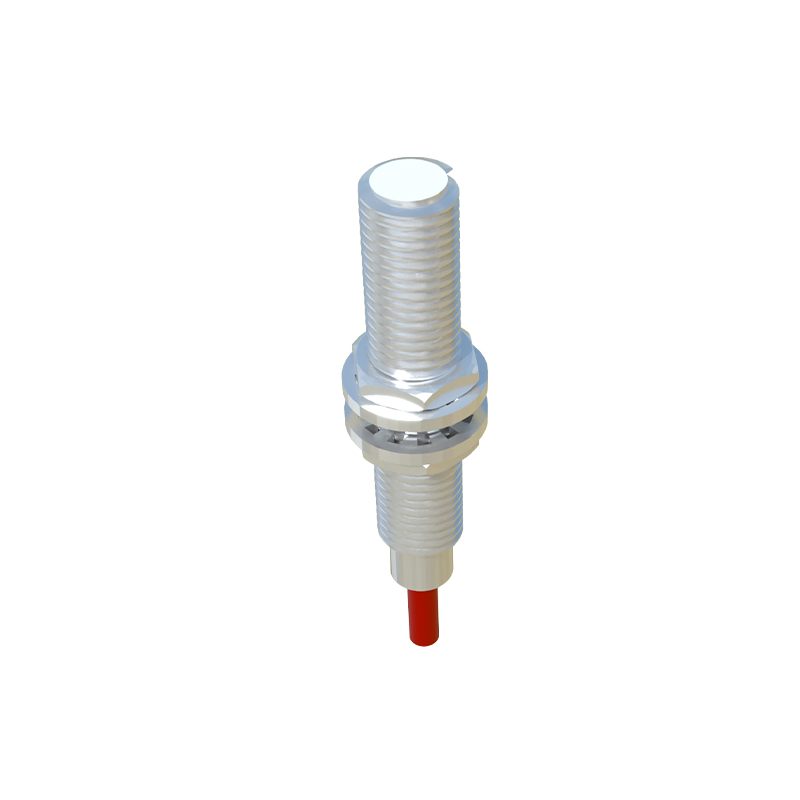
Smart inductive proximity sensors represent a significant evolution in industrial sensing technology. Unlike traditional inductive sensors, these advanced devices integrate microprocessors and digital communication capabilities, enabling enhanced functionality and connectivity. They operate on the principle of electromagnetic induction, generating an oscillating electromagnetic field. When a metallic object enters this field, eddy currents are induced, causing a change in oscillation amplitude. The sensor's smart circuitry detects this change and processes the signal to determine object presence, distance, or even material type. This foundational technology has been augmented with intelligence, making sensors not just detectors but integral components of data-driven automation systems. Their robustness in harsh industrial environments—resistant to dust, moisture, and vibration—remains a key advantage, now combined with sophisticated data output.
Core Technological Advancements and Features
The "smart" designation stems from several key technological advancements. Firstly, integrated diagnostics provide real-time monitoring of sensor health, including parameters like temperature drift, switch point stability, and coil condition. This predictive maintenance capability minimizes unplanned downtime. Secondly, advanced sensing algorithms allow for precise detection of different metals and even discrimination between metal types in some high-end models. Parameterization is another critical feature; users can remotely configure operating modes, sensing ranges, output delays, and hysteresis via IO-Link, PROFINET, or EtherNet/IP interfaces. Furthermore, these sensors often feature adjustable sensing distances and teach-in functions, simplifying setup and adaptation to varying production tasks without physical adjustments.
Integration with Industry 4.0 and IIoT
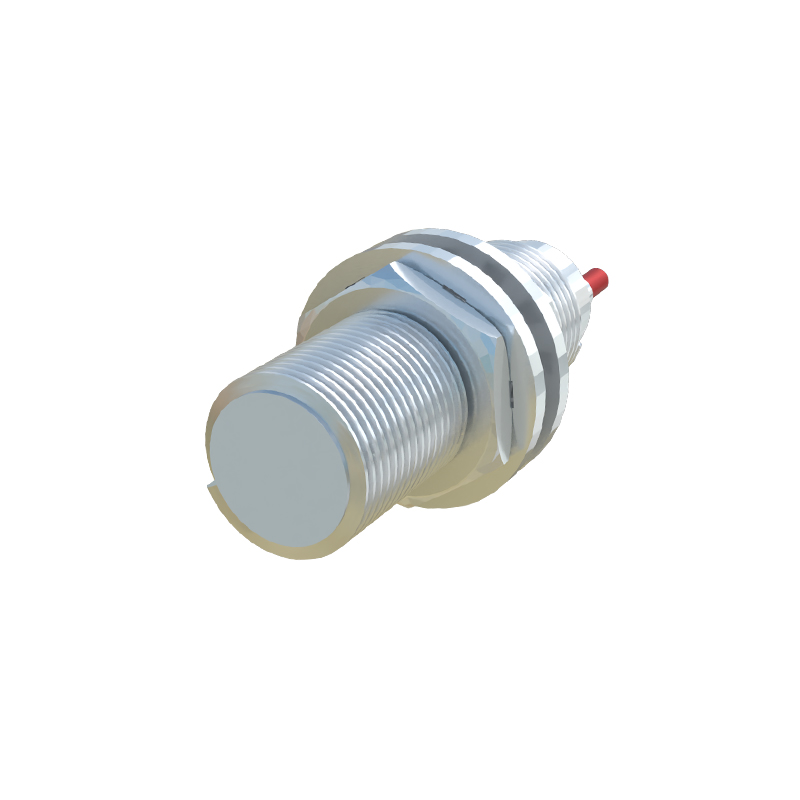
Smart inductive proximity sensors are fundamental enablers of Industry 4.0 and the Industrial Internet of Things (IIoT). By providing not just a simple switch signal but a stream of digital data, they become valuable data points on the factory network. Through communication protocols like IO-Link, sensors transmit process data (e.g., measured distance) and device data (e.g., operating hours, temperature) directly to controllers or cloud platforms. This facilitates condition-based monitoring, trend analysis, and seamless integration into digital twin models. In a smart factory, data from thousands of such sensors can be aggregated to optimize machine efficiency, track production counts, and trigger automated quality control processes, creating a responsive and interconnected manufacturing ecosystem.
Application Scenarios Across Industries
The application range for smart inductive sensors is vast and cross-industrial. In automotive manufacturing, they ensure precise positioning of robotic arms for welding and assembly, while their diagnostics prevent line stoppages. In packaging machinery, they detect the presence of metallic foils or caps with high reliability and can communicate count data to supervisory systems. Material handling and logistics benefit from their use in conveyor belt systems for object detection and sorting of metal containers. Even in harsh environments like metal stamping or foundries, their rugged design and ability to provide early warning of potential failures are invaluable. The parameterization feature allows a single sensor model to be quickly repurposed for different tasks, enhancing production line flexibility.
Selection Criteria and Implementation Considerations
Selecting the appropriate smart inductive sensor requires careful analysis. Key parameters include the sensing distance, which must account for the target material (steel, aluminum, copper) as different metals have different damping effects. The housing material (e.g., stainless steel, PBT plastic) should be chosen based on environmental exposure to chemicals or washdowns. The required output type (PNP/NPN analog, IO-Link, or Ethernet-based) must align with the control system architecture. Implementation involves not just physical mounting but also network integration. Engineers must plan for the configuration software and ensure the industrial network has the capacity to handle the additional data traffic. Proper shielding and cable routing are essential to prevent electromagnetic interference from affecting the sensitive digital signals.
Future Trends and Development Outlook
The future trajectory of smart inductive sensors points toward even greater intelligence and miniaturization. We anticipate further integration of artificial intelligence at the edge, allowing sensors to perform local data analysis and make autonomous decisions, such as compensating for wear or environmental changes. Energy harvesting capabilities may reduce wiring needs for low-power variants. Enhanced cybersecurity features will become standard to protect networked sensors from threats. Furthermore, the convergence of sensing technologies—combining inductive sensing with other principles like capacitive or photoelectric in a single housing—will create multi-functional devices. As wireless power and communication technologies mature, truly wireless smart sensors could emerge, further simplifying installation and enabling new, flexible automation designs.