Introduction to Photovoltaic Sensors
Photovoltaic sensors, often referred to as solar sensors, are devices that convert light energy directly into electrical energy through the photovoltaic effect. These sensors are integral components in modern electrical and electronic systems, enabling precise measurement and control of light intensity. Unlike photoconductive sensors that require an external power source, photovoltaic sensors generate their own voltage and current when exposed to light, making them highly efficient for various applications. The core technology relies on semiconductor materials, such as silicon or gallium arsenide, which absorb photons and release electrons, creating an electric current. This self-powered characteristic simplifies circuit design and reduces overall system complexity, particularly in remote or energy-autonomous installations. Engineers value these sensors for their reliability, low maintenance, and ability to operate in diverse environmental conditions, from industrial settings to outdoor solar tracking systems.
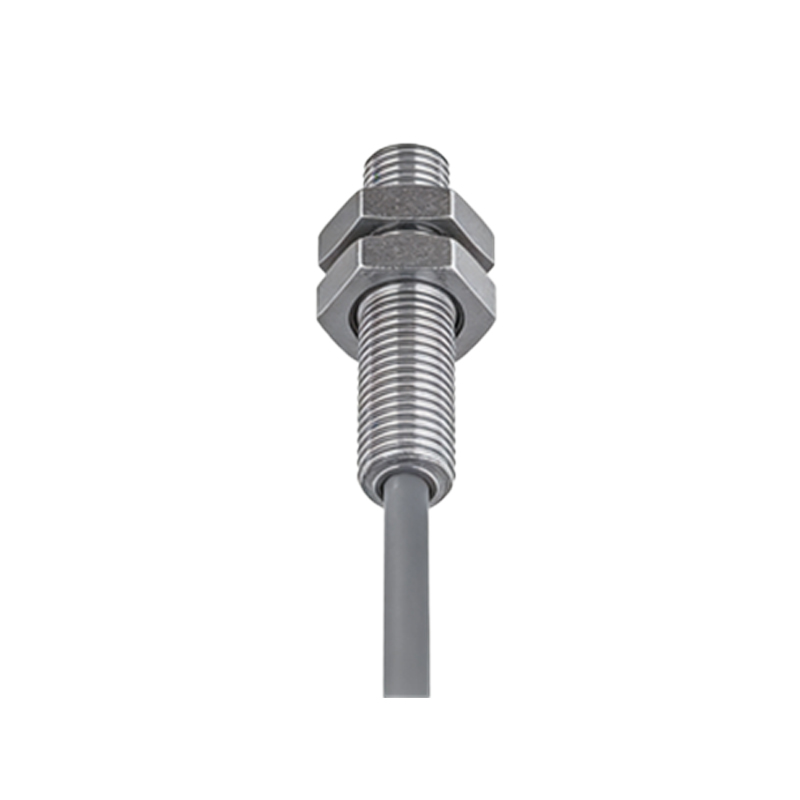
Working Principles and Key Components
The operation of photovoltaic sensors is based on the photovoltaic effect, discovered by Edmond Becquerel in 1839. When light strikes a semiconductor junction—typically a p-n junction in a diode—it excites electrons, causing them to move and generate a voltage difference across the junction. This process produces a direct current (DC) proportional to the light intensity, allowing the sensor to function as both a detector and a power source. Key components include the active semiconductor layer, anti-reflective coatings to maximize light absorption, and electrodes for current collection. Advanced designs incorporate multiple junctions or thin-film technologies to enhance sensitivity across different light spectra, including visible, ultraviolet, and infrared ranges. Engineers often calibrate these sensors using reference light sources to ensure accuracy in measurements, which is critical for applications like solar panel alignment or ambient light monitoring in smart buildings.
Applications in Electrical Engineering and Industry
In electrical engineering, photovoltaic sensors are widely used for automation, energy management, and safety systems. One prominent application is in solar tracking systems, where sensors detect the sun's position to optimize the orientation of photovoltaic panels, increasing energy yield by up to 30%. They also serve in lighting control systems, automatically adjusting indoor illumination based on natural light levels to reduce energy consumption. Industrial uses include fault detection in power grids, where sensors monitor insulator contamination or overheating in equipment. Additionally, these sensors are employed in consumer electronics, such as automatic brightness adjustment in smartphones and laptops. Their ability to operate without external wiring makes them ideal for remote monitoring stations, environmental sensing networks, and Internet of Things (IoT) devices, contributing to smarter, more efficient infrastructure.
Advancements and Technological Innovations
Recent advancements have significantly improved the performance and versatility of photovoltaic sensors. Developments in nanomaterials, like perovskite solar cells, offer higher conversion efficiencies and lower production costs. Flexible and transparent sensor designs enable integration into windows, wearable devices, and curved surfaces, expanding their utility in architectural and medical fields. Enhanced durability through waterproof and corrosion-resistant coatings allows operation in harsh environments, such as marine or desert locations. Furthermore, integration with microcontrollers and wireless communication modules facilitates real-time data logging and remote control, supporting Industry 4.0 initiatives. Research is also focusing on multi-spectral sensors that can distinguish between different light wavelengths, enabling applications in agricultural monitoring or security systems. These innovations drive the adoption of photovoltaic sensors in emerging technologies like autonomous vehicles and smart cities.
Challenges and Future Outlook
Despite their advantages, photovoltaic sensors face challenges such as sensitivity degradation over time due to material aging or environmental factors like temperature fluctuations and dust accumulation. Calibration drift can affect long-term accuracy, requiring periodic maintenance. Engineers are addressing these issues through robust materials, self-cleaning coatings, and adaptive algorithms that compensate for changes. The future outlook is promising, with trends pointing toward miniaturization, increased energy efficiency, and integration with artificial intelligence for predictive analytics. As renewable energy and automation demand grows, photovoltaic sensors will play a crucial role in sustainable development, enabling more responsive and intelligent systems. Continued innovation in semiconductor technology and manufacturing processes is expected to lower costs and enhance accessibility, further solidifying their position in the electrical engineering landscape.