Introduction to Photoelectric Sensors
Photoelectric sensors are pivotal components in modern industrial automation, utilizing light beams to detect the presence, absence, or distance of objects. These sensors operate by emitting a light source, typically from an LED or laser, and measuring the reflected or interrupted light to trigger an output signal. Their versatility allows for applications across diverse sectors, including manufacturing, packaging, and material handling. By converting light signals into electrical responses, photoelectric sensors enable precise control in automated systems, enhancing efficiency and reliability. The fundamental principle involves three main types: through-beam, retro-reflective, and diffuse reflective sensors, each suited for specific environmental and operational needs. Understanding these basics is essential for effective implementation and adjustment in industrial settings.
Types of Photoelectric Sensors
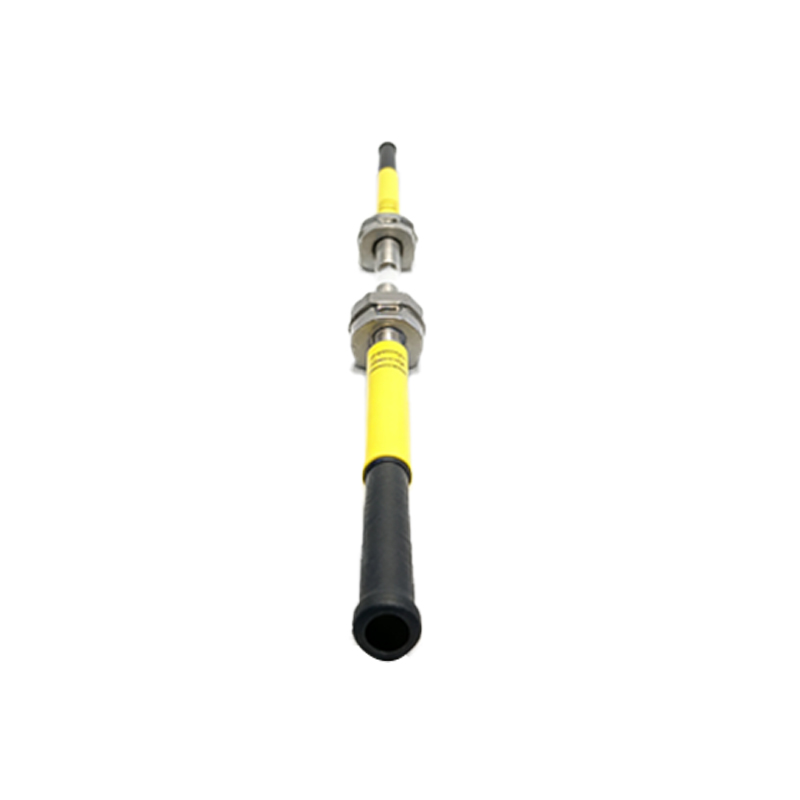
Through-beam sensors consist of separate emitter and receiver units placed opposite each other. They detect objects when the light beam is broken, offering high accuracy and long sensing ranges, making them ideal for harsh environments with dust or dirt. Retro-reflective sensors combine the emitter and receiver in one housing, using a reflector to bounce light back. They are suitable for medium-range applications and provide reliable detection when objects interrupt the reflected beam. Diffuse reflective sensors have the emitter and receiver in a single unit, detecting objects based on light reflected directly from the surface. These are best for short-range tasks and varied surface types. Each type requires specific adjustment techniques to optimize performance, such as aligning beams or calibrating sensitivity based on object properties and environmental factors.
Control Mechanisms and Adjustment Techniques
Effective control of photoelectric sensors involves fine-tuning parameters to match application requirements. Key adjustments include setting the sensing range, sensitivity, and response time. For instance, through-beam sensors may need precise alignment to ensure the beam hits the receiver accurately, often using alignment tools or indicators. Retro-reflective sensors require proper reflector positioning and cleaning to maintain signal integrity. Diffuse sensors demand sensitivity calibration to distinguish between target objects and background surfaces, avoiding false triggers. Many modern sensors feature potentiometers or digital interfaces for adjustments, allowing engineers to modify settings like light intensity or threshold levels. Regular maintenance, such as lens cleaning and environmental monitoring, is crucial to prevent drift and ensure consistent operation. Implementing feedback loops in control systems can further enhance accuracy by dynamically adjusting sensor outputs based on real-time data.
Applications in Industrial Automation
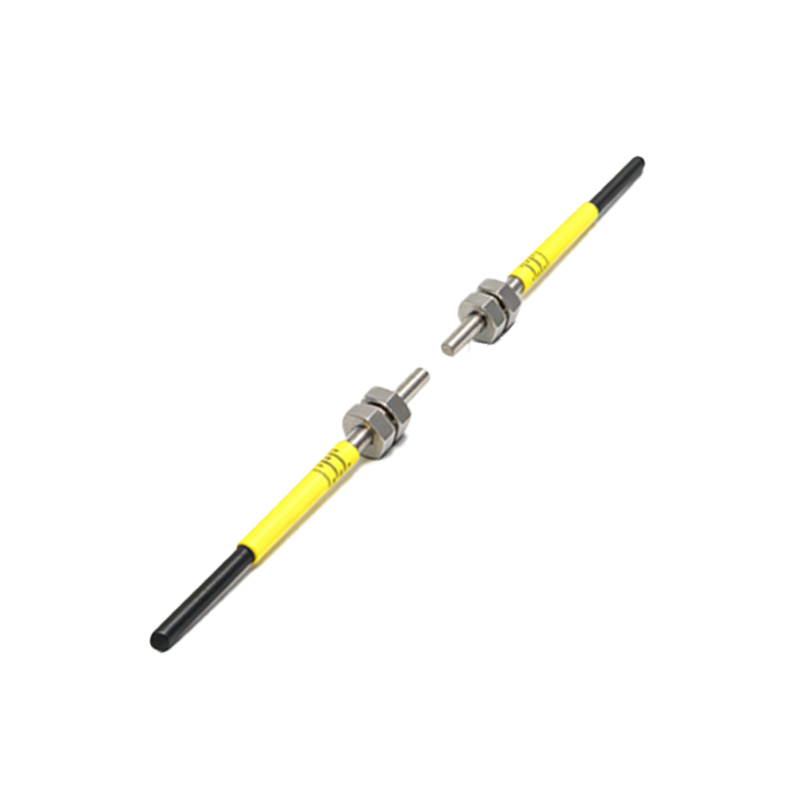
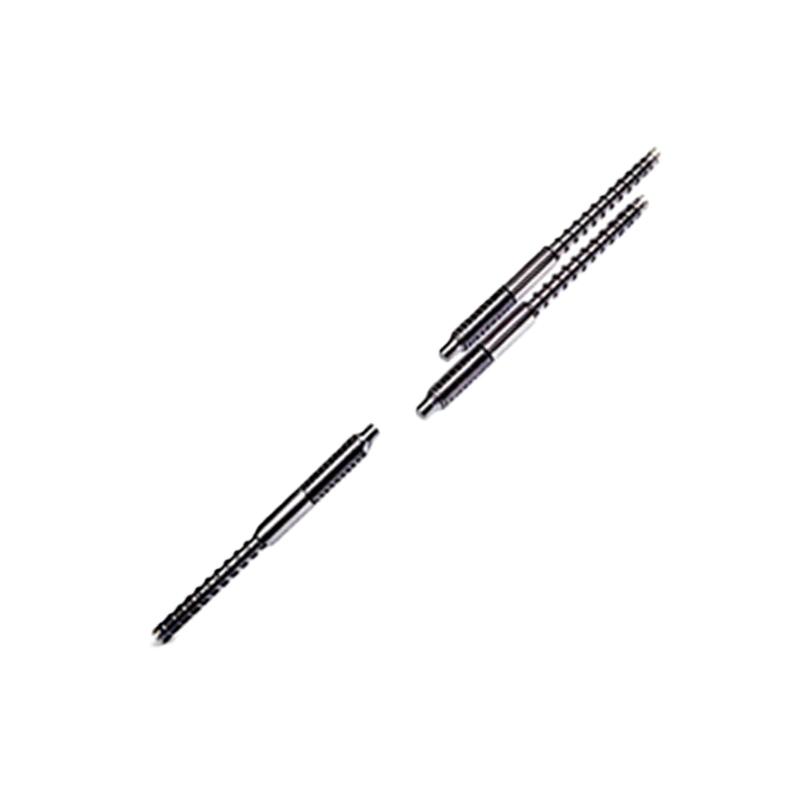
In industrial automation, photoelectric sensors play critical roles in processes like object counting, positioning, and quality inspection. For example, in conveyor systems, they detect product presence to control sorting or packaging operations, reducing manual intervention and increasing throughput. In robotic arms, sensors provide precise feedback for pick-and-place tasks, ensuring accurate handling of components. They are also used in safety systems to monitor machine guards or detect intrusions in hazardous areas, preventing accidents. Advanced applications include color recognition and contrast detection, where sensors differentiate materials based on light reflection properties. To maximize benefits, engineers must select the appropriate sensor type and adjust settings to suit specific operational conditions, such as varying light levels or moving targets. Integration with PLCs (Programmable Logic Controllers) enables automated control, allowing for seamless communication and system optimization.
Common Challenges and Troubleshooting
Despite their reliability, photoelectric sensors can face issues like false triggering, reduced range, or signal interference. Common causes include environmental factors such as ambient light, dust, or moisture, which can scatter or absorb light beams. To troubleshoot, start by checking alignment and cleanliness of lenses and reflectors. Adjust sensitivity settings to avoid over- or under-detection, and ensure the sensor is rated for the operating environment (e.g., IP ratings for dust and water resistance). Electrical noise from nearby equipment may also affect performance, requiring proper shielding or grounding. Regular calibration and testing with target objects can identify drift or degradation over time. Utilizing diagnostic features in modern sensors, like LED indicators or output monitoring, aids in quick problem resolution. By proactively addressing these challenges, engineers can maintain sensor accuracy and extend lifespan, minimizing downtime in automated systems.
Future Trends and Innovations
The future of photoelectric sensors in industrial automation is shaped by advancements in technology and increasing demand for smart manufacturing. Innovations include miniaturization, allowing sensors to fit into compact spaces without sacrificing performance. Enhanced connectivity through IoT (Internet of Things) enables remote monitoring and adjustment, facilitating predictive maintenance and data analytics. Developments in light sources, such as blue LED or laser-based sensors, improve detection capabilities for small or low-contrast objects. Additionally, integration with AI (Artificial Intelligence) allows for adaptive sensing, where sensors learn from environmental changes and self-adjust parameters. These trends aim to boost efficiency, reduce costs, and support Industry 4.0 initiatives. As industries evolve, photoelectric sensors will continue to be integral, with ongoing research focusing on robustness and versatility to meet emerging automation needs.