Infrared laser beam sensors, often referred to as photoelectric beam sensors or laser photoelectric sensors, represent a critical technology in industrial automation, security, and various detection systems. These devices operate on a straightforward yet highly effective principle: they project a modulated infrared laser beam from a transmitter unit to a separate receiver unit. The receiver continuously monitors this specific beam. Any object interrupting the beam path causes a detectable drop in the received signal intensity, triggering an output signal. This fundamental "through-beam" method is renowned for its exceptional sensing distance, high precision, and reliability, even in challenging environmental conditions.
The core advantage of infrared laser light lies in its coherence and low divergence. Unlike standard infrared LEDs used in simpler sensors, laser diodes produce a very narrow, focused beam that can travel long distances with minimal spread. This allows for precise alignment over ranges that can extend to hundreds of meters, making them ideal for large-scale applications. Furthermore, the sensors typically employ a modulated signal—pulsing the laser at a specific high frequency. The receiver is tuned to detect only this specific modulation pattern. This sophisticated design grants them superior immunity to ambient light interference from sunlight, factory lighting, or other sources, which is a common drawback of non-modulated optical sensors.
The construction of a standard infrared laser beam sensor system involves two discrete components: the transmitter and the receiver. The transmitter houses the laser diode, drive circuitry to generate the modulated beam, and often a lens to collimate the light. The receiver contains a photodetector (like a phototransistor or photodiode), a filter tuned to the infrared spectrum, and amplification and demodulation circuits to identify the specific modulated signal. Alignment is crucial; the beam must strike the receiver's detection area squarely. Many models feature visual alignment aids, such as a visible red pilot beam coaxial with the infrared beam or built-in alignment indicators.
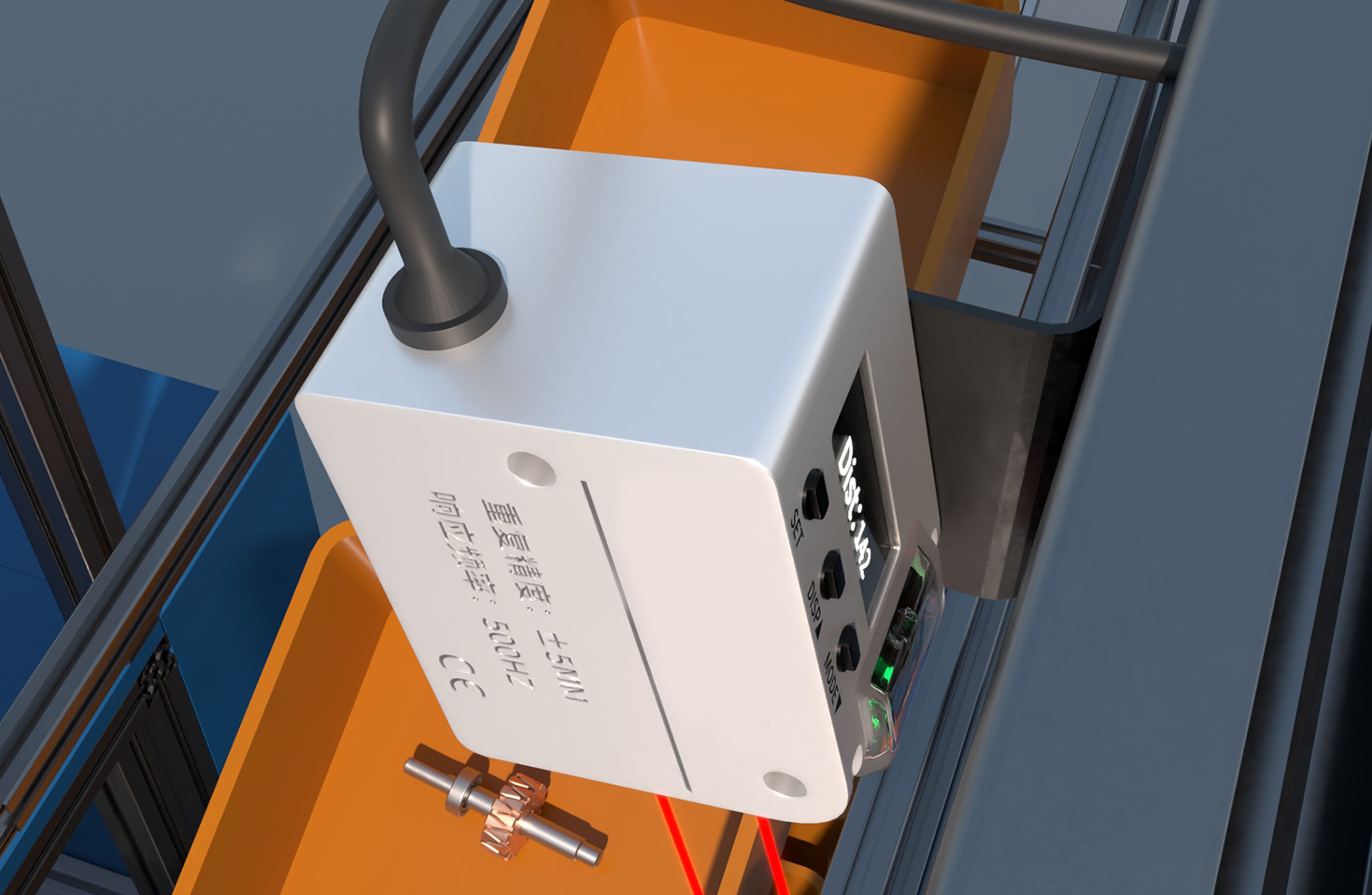
Applications for infrared laser beam sensors are vast and varied. In industrial automation, they are indispensable for precise object detection on high-speed production lines, part counting, break detection in material webs (like paper or plastic films), and determining the height or diameter of objects. Their long-range capability is exploited in conveyor belt systems spanning large warehouses. In the realm of security, they form the backbone of perimeter protection systems. Arrays of transmitters and receivers create invisible "light curtains" around buildings, fences, or sensitive areas. Any intrusion breaking the beam pattern immediately triggers an alarm. These systems are valued for their low false-alarm rate compared to some motion detectors.
Other notable uses include vehicle detection at toll booths or parking garages, people counting at entrances, and safety applications where they can serve as hazardous area guards on machinery, instantly halting operation if the beam is broken. Environmental factors like fog, dust, rain, or snow can attenuate the beam, potentially affecting performance. Manufacturers address this through higher-powered emitters, sensitive receivers, and signal processing algorithms that distinguish between gradual environmental attenuation and a sharp object-induced interruption. Regular maintenance to keep lenses clean is also essential for consistent operation.
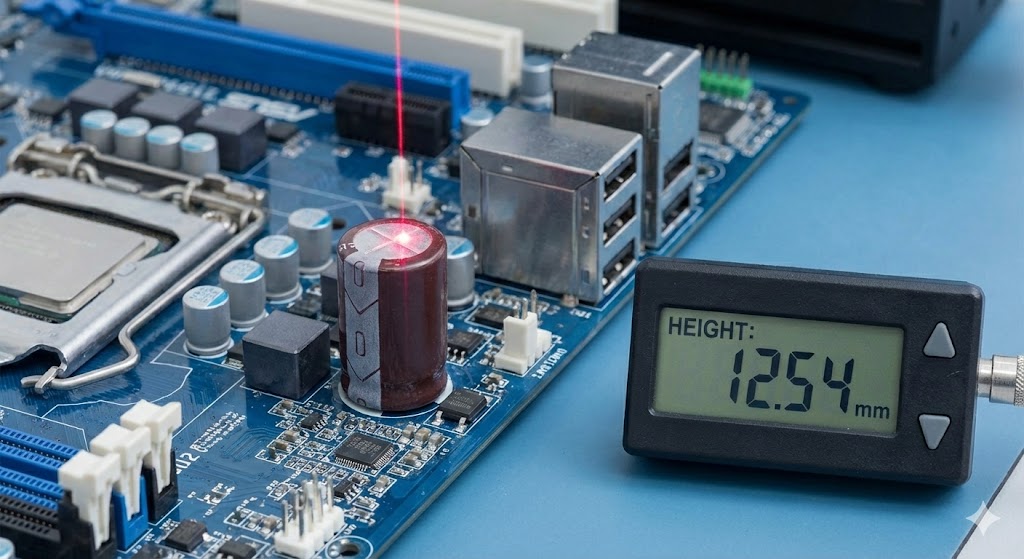
When selecting an infrared laser beam sensor, key specifications to consider are sensing distance, beam diameter, response time, output type (e.g., NPN/PNP transistor, relay), power supply requirements, and environmental protection ratings (IP rating). The choice between a synchronized system (where transmitter and receiver are paired and synchronized) and a non-synchronized system depends on the need for immunity against crosstalk from nearby sensors. Modern advancements include models with Bluetooth connectivity for easier alignment via a smartphone app, and the integration of advanced diagnostics.

In summary, infrared laser beam sensors offer a robust, accurate, and versatile solution for non-contact detection across significant distances. Their ability to provide a precise, reliable signal based on a simple physical interruption makes them a cornerstone technology in fields demanding high reliability, from safeguarding industrial processes to securing critical infrastructures. As technology progresses, these sensors continue to evolve with enhanced intelligence, connectivity, and resilience to meet increasingly complex application demands.