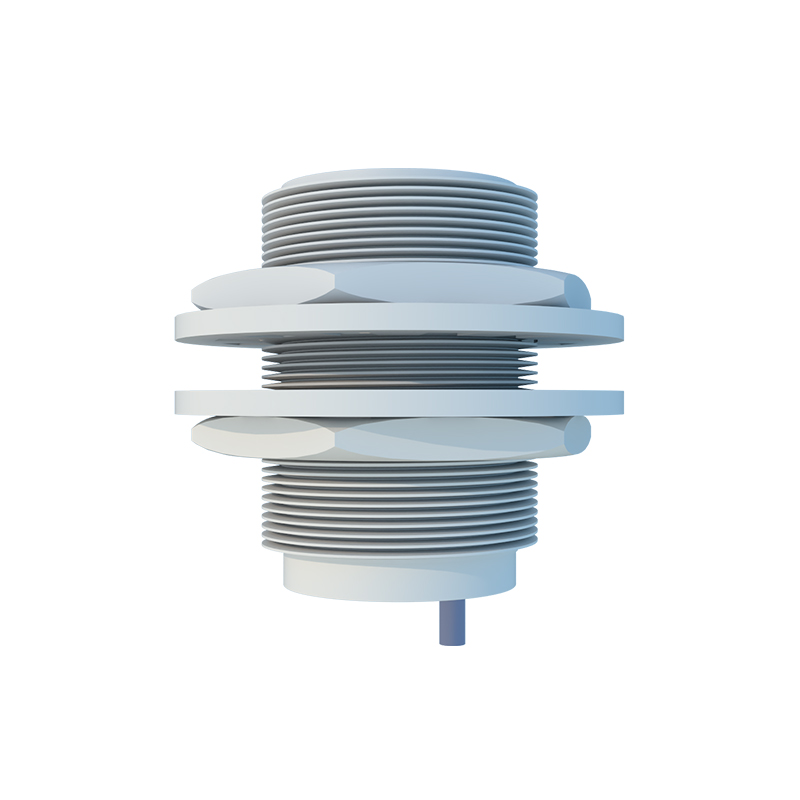
In today's rapidly evolving industrial automation landscape, laser proximity sensors have emerged as a cornerstone technology. Their ability to provide non-contact, high-precision distance and presence detection makes them indispensable across manufacturing, logistics, packaging, and robotics. For sales professionals and businesses operating in this niche, understanding the product's technical advantages and the dynamics of the market is paramount for success.
The core value proposition of a laser proximity sensor lies in its precision and reliability. Unlike traditional mechanical or ultrasonic sensors, laser models utilize a focused beam of light to measure the time-of-flight or triangulation to determine an object's distance. This results in millimeter-level accuracy, even at longer ranges and with challenging surface materials. Sales strategies must emphasize these technical differentiators: high-speed response for fast-moving production lines, exceptional resolution for delicate positioning tasks, and immunity to environmental factors like sound or dust that plague other sensor types. A successful sales narrative transitions from simply selling a component to providing a solution for enhanced quality control, reduced downtime, and optimized throughput.
The target market is diverse, requiring a segmented sales approach. Primary industries driving demand include automotive assembly, where sensors guide robots for precise part placement; electronics manufacturing, for wafer handling and component verification; and warehouse automation, for pallet detection and inventory management. Each sector has unique requirements. For instance, the food and beverage industry may need sensors with specific housing materials for washdown environments, while metalworking applications might require models with robust background suppression to ignore reflective backgrounds. A knowledgeable sales force tailors its pitch to these specific pain points, often leveraging case studies and application notes to build credibility.
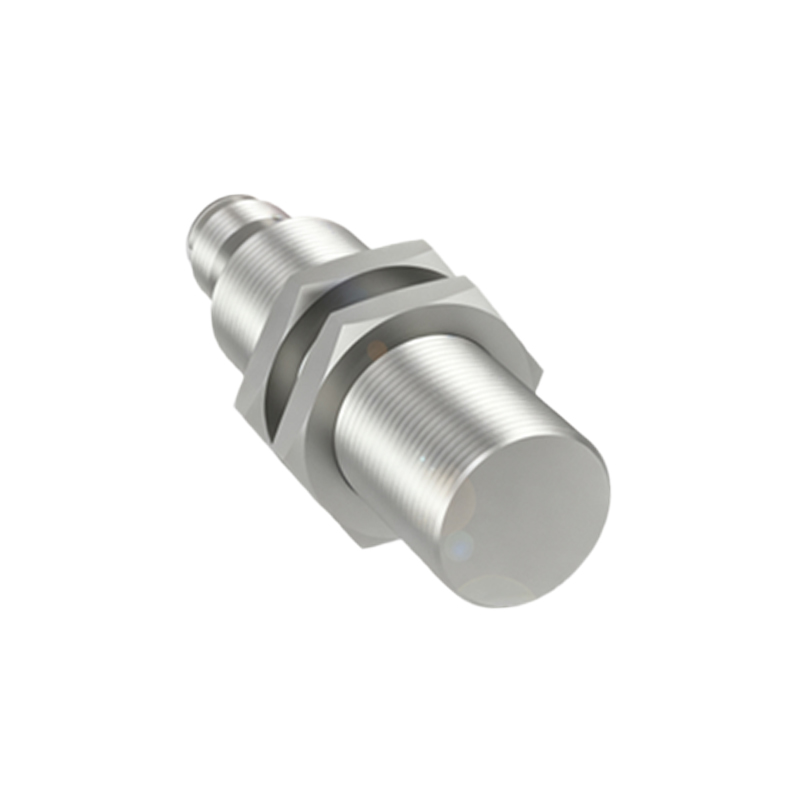
Pricing and competition present significant challenges. The market features a range of players, from established global automation giants to specialized niche manufacturers. While premium brands command higher prices based on reputation, extensive support networks, and proven durability, competitive pressure from cost-effective alternatives is intense. Sales success often hinges on demonstrating total cost of ownership (TCO). This involves highlighting factors beyond the initial purchase price: longer mean time between failures (MTBF), easier integration reducing engineering hours, and compatibility with existing industrial communication protocols like IO-Link, which provides valuable diagnostic data. Educating the customer on how a reliable sensor prevents costly production stoppages is a powerful closing argument.
Furthermore, the sales process is increasingly consultative. Engineers and procurement managers seek partners who can solve application challenges. This requires sales teams to possess deep technical knowledge. They must be adept at discussing specifications such as sensing range, spot size, repeat accuracy, and output types (PNP/NPN, analog, digital). Providing pre-sales support, such as sample testing or application simulation, can be a decisive factor in winning business. The ability to seamlessly connect the sensor's features to the client's operational efficiency and bottom line is the hallmark of a top performer in laser proximity sensor sales.
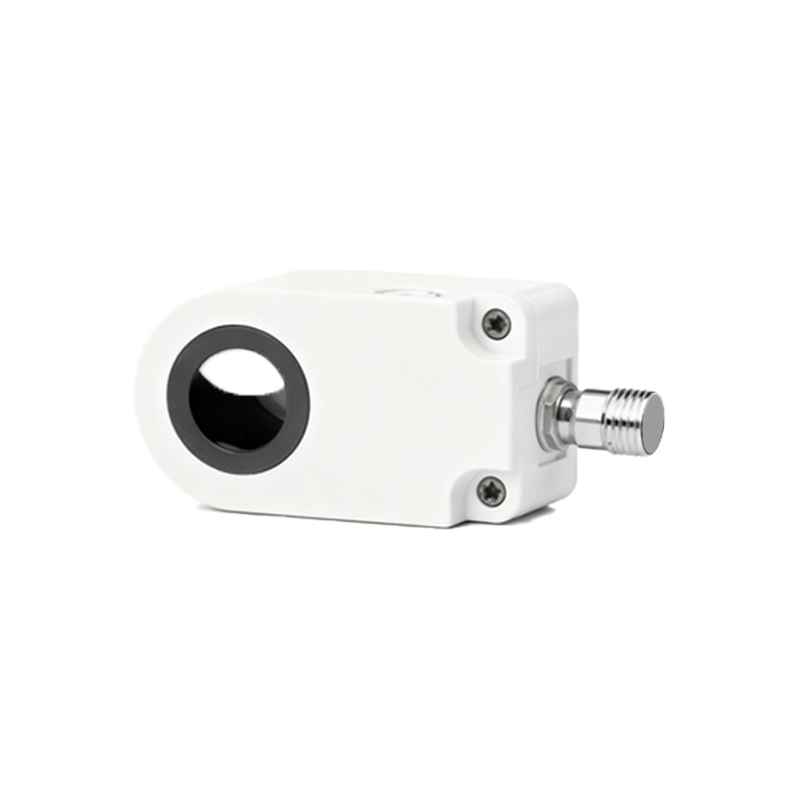
Looking ahead, market trends indicate sustained growth, fueled by Industry 4.0 and the proliferation of smart factories. Sensors with integrated intelligence, such as those offering condition monitoring and predictive maintenance capabilities, are becoming the new standard. Sales messaging must evolve to cover these advanced features, positioning the laser proximity sensor not just as an input device but as a critical data node in the Industrial Internet of Things (IIoT) ecosystem. Networking capabilities and cloud connectivity are becoming key discussion points. The future of sales in this field belongs to those who can articulate a vision of interconnected, data-driven automation, with the high-performance laser sensor as its enabling eyes.