Introduction to E2B Proximity Sensors
The E2B series represents a cornerstone in the realm of industrial proximity sensing, engineered to deliver exceptional performance in demanding automation environments. These sensors are non-contact devices designed to detect the presence or absence of metallic objects without physical interaction. Utilizing high-frequency oscillation technology, the E2B sensors generate an electromagnetic field. When a metallic target enters this field, it induces eddy currents, causing a change in the oscillation amplitude. This change is precisely detected by the sensor's circuitry, triggering a solid-state output signal. The fundamental principle ensures rapid, wear-free detection, making these sensors indispensable for applications requiring high-speed operation and long-term reliability. Their robust construction and advanced electronic design set the standard for accuracy in position detection, object counting, and end-position monitoring across various industries.
Key Technical Specifications and Design Features
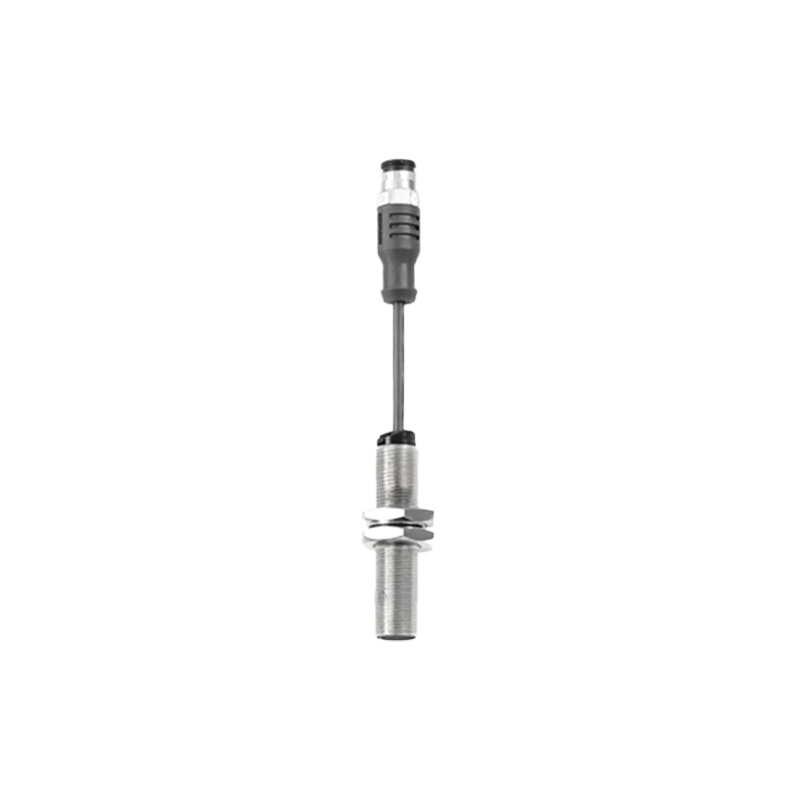
E2B proximity sensors are characterized by a comprehensive set of technical parameters that define their operational envelope. A critical specification is the sensing distance, typically ranging from a few millimeters to several tens of millimeters, with tight tolerance to ensure repeatability. These sensors are available in both shielded and unshielded designs; shielded models allow for flush mounting in metal, while unshielded variants offer an extended sensing range. The housing is commonly constructed from nickel-plated brass or stainless steel, providing superior resistance to mechanical impact, cutting fluids, and coolants. Internally, they incorporate state-of-the-art ASICs (Application-Specific Integrated Circuits) that enhance noise immunity, temperature stability, and switching frequency. Output configurations include NPN, PNP, normally open (NO), and normally closed (NC) types, alongside analog and IO-Link versions for sophisticated data communication. The operating voltage range is typically wide, from 10 to 30 V DC, ensuring compatibility with standard industrial control systems.
Superior Performance in Harsh Environments
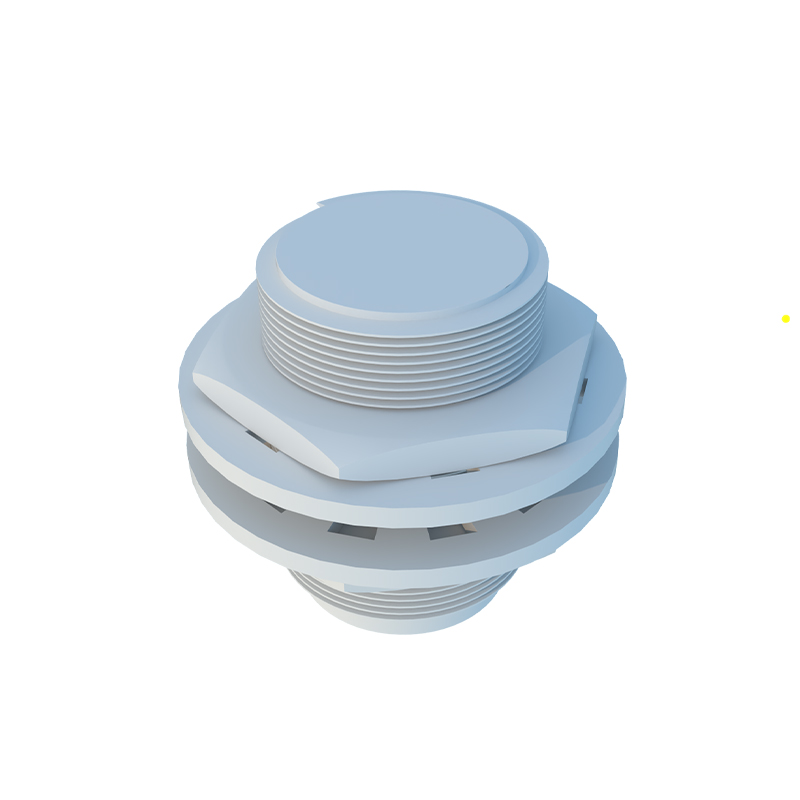
Durability is a hallmark of the E2B series. These sensors are built to withstand the rigors of harsh industrial settings. They boast high ingress protection ratings, such as IP67 and IP69K, which guarantee reliable operation despite exposure to dust, high-pressure water jets, and temporary immersion. The operational temperature range is extensive, often from -25°C to 70°C, allowing deployment in foundries, refrigeration units, and outdoor applications. Furthermore, they exhibit exceptional resistance to electrical interference, including noise from inverters and welding equipment, thanks to advanced shielding and circuit design. This resilience minimizes false triggering and downtime, directly contributing to increased production line efficiency and reduced maintenance costs. The robust design ensures that the sensors maintain their calibration and sensing characteristics over millions of operating cycles, even in the presence of vibration and shock.
Diverse Applications Across Industry Sectors
The versatility of E2B proximity sensors enables their use in a vast array of automated processes. In automotive manufacturing, they are pivotal for robotic weld gun positioning, part presence verification on assembly lines, and tool breakage detection in machining centers. The packaging industry relies on them for precise bottle cap detection, carton counting, and fill-level control. Within material handling and logistics, these sensors facilitate pallet positioning, conveyor belt jam detection, and automated guided vehicle (AGV) navigation. Their high-speed response makes them ideal for monitoring fast-rotating parts, such as gear teeth or motor shafts, in general machinery. The IO-Link enabled models go beyond simple switching, providing diagnostic data like operating hours, temperature readings, and signal strength for predictive maintenance strategies, aligning with Industry 4.0 initiatives.
Installation, Wiring, and Best Practices
Correct installation is crucial for optimal sensor performance. For shielded sensors, they can be mounted flush with the metal mounting surface without affecting the sensing range. Unshielded sensors require a specific clearance zone around the sensing face, free from surrounding metal, as detailed in the datasheet. Wiring must adhere to the specified voltage and output type (sourcing or sinking). It is recommended to use shielded cables in electrically noisy environments and to route sensor cables separately from power lines. For long cable runs, considering voltage drop is essential. Regular functional checks should be performed as part of preventive maintenance. When selecting an E2B sensor, key factors to consider include the target material (ferrous or non-ferrous metals), required sensing distance, environmental conditions, electrical interface, and housing size to fit the mechanical design constraints.
Advantages Over Alternative Sensing Technologies
Compared to other non-contact sensors like photoelectric or ultrasonic types, E2B inductive proximity sensors offer distinct advantages for metal detection. They are inherently insensitive to target color, transparency, or surface finish, which can challenge photoelectric sensors