Introduction to Photoelectric Sensing Technology
Photoelectric sensors are indispensable components in modern industrial automation and control systems. These devices operate by emitting a beam of light, typically from an LED or laser diode, and detecting changes in the received light signal. The fundamental principle relies on the interaction between light and the target object. When the light beam is interrupted, reflected, or refracted by an object, the sensor's receiver detects this change and converts it into an electrical signal. This signal is then processed to trigger a specific output, such as turning a machine on or off, counting objects, or detecting position. The technology's versatility, non-contact nature, and high-speed response make it superior to many mechanical sensing methods, enabling precise detection of a vast array of materials regardless of their color, texture, or conductivity.
Core Operating Principles and Sensing Modes
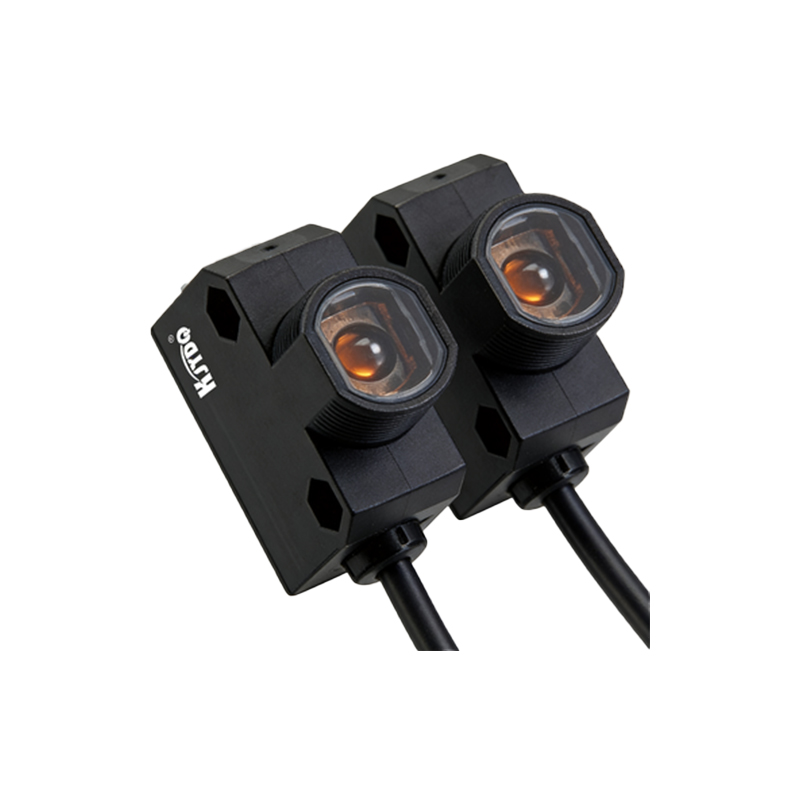
Photoelectric sensors function primarily through three distinct sensing modes: through-beam, retro-reflective, and diffuse reflective. Through-beam sensors, also known as opposed-mode sensors, consist of separate emitter and receiver units placed opposite each other. Detection occurs when an object breaks the light beam traveling between them. This mode offers the longest sensing range and highest reliability, as it is largely immune to the target's color, surface finish, or angle. Retro-reflective sensors house both the emitter and receiver in a single housing. They rely on a reflector, typically a corner-cube prism, to bounce the light beam back to the receiver. An object is detected when it interrupts this return path. Diffuse reflective sensors, or proximity-mode sensors, also have a combined emitter and receiver. They detect an object by measuring the light reflected directly off the target's surface. While more compact and easier to install, their performance is influenced by the target's color, size, and surface properties.
Major Types and Advanced Variations
Beyond the basic modes, several specialized types address specific application challenges. Background suppression sensors are a sophisticated variant of diffuse sensors. They use triangulation principles to detect objects only within a precise, predefined distance, effectively ignoring the background. This makes them ideal for detecting objects on conveyor belts or in front of complex backgrounds. Convergent beam sensors focus the emitted light to a specific fixed point, providing extremely precise detection at that exact distance. Fiber optic photoelectric sensors utilize flexible fiber optic cables to guide light to and from the sensing head. This allows the electronic amplifier to be mounted remotely in a protected location, while the tiny sensing head can be installed in extremely confined, hot, or hazardous spaces. Laser sensors employ a focused laser beam for applications requiring very long ranges, minute spot sizes, or precise edge detection.
Key Performance Specifications and Parameters
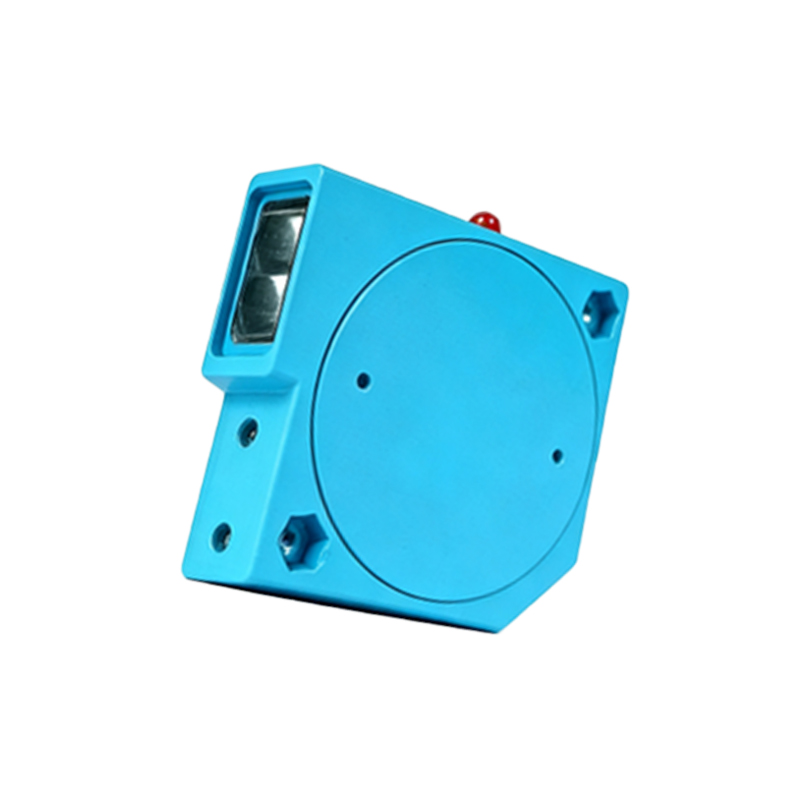
Selecting the correct photoelectric sensor requires a thorough understanding of its key specifications. Sensing distance, often listed as the operating range, is the maximum reliable detection distance for a standard target. For diffuse sensors, this is highly dependent on target size, color, and reflectivity. Response time indicates how quickly the sensor can react to a change in state, critical for high-speed counting or sorting. Light source type is another crucial factor; red LED is common and cost-effective, infrared LED is used for stealth detection, and laser diodes provide precision. The beam pattern, or spot size, determines the minimum detectable object size. Environmental ratings, such as IP (Ingress Protection) and NEMA ratings, define the sensor's resistance to dust, water, oils, and chemicals, ensuring reliable operation in harsh industrial environments.
Industrial Applications Across Sectors
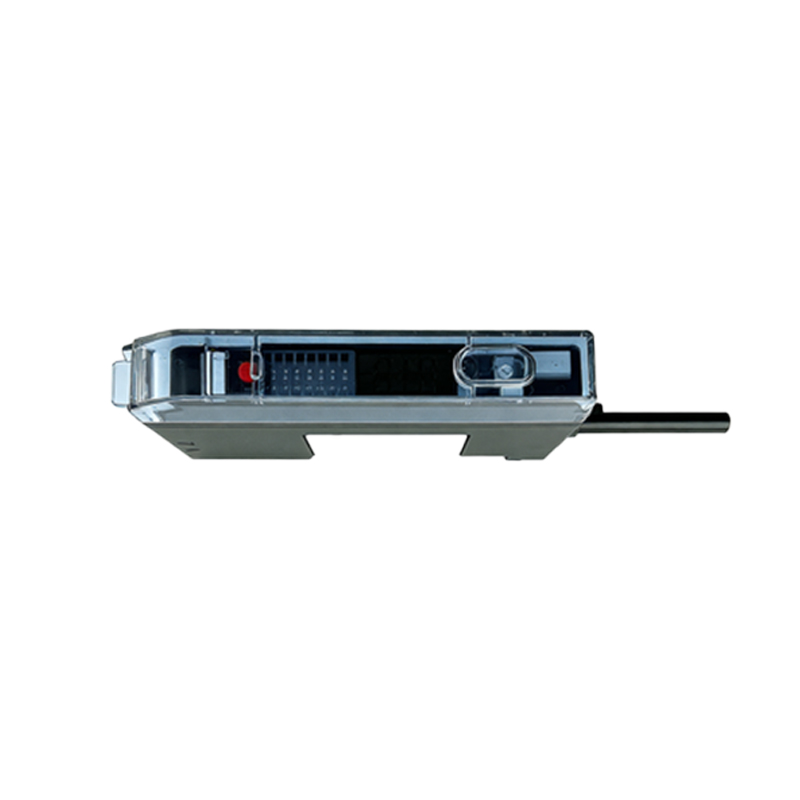
The applications for photoelectric sensors span virtually every industry. In material handling and packaging, they are used for object detection on conveyors, bottle cap inspection, and carton counting. Automotive manufacturing lines rely on them for precise part positioning, robot guidance, and weld seam tracking. In the food and beverage industry, they detect transparent films, monitor fill levels, and ensure label presence without physical contact, maintaining hygiene standards. Electronics assembly utilizes them for verifying component placement, PCB board positioning, and tape-and-reel packaging control. They also play vital roles in security systems for door control, in agriculture for crop monitoring, and in pharmaceutical production for vial and syringe detection.
Critical Selection Guidelines and Best Practices
A successful application begins with a systematic selection process. First, define the application's primary goal: presence detection, counting, positioning, or edge guiding. Next, analyze the target object's properties—its size, material, color, and surface texture—as these directly influence the choice of sensing mode and light source. The installation environment must be assessed for ambient light interference, temperature extremes, presence of dust, moisture, or vibration. Electrical requirements, such as the operating voltage (e.g., 10-30V DC, 90-250V AC) and output type (PNP/NPN transistor, relay, analog), must match the control system. Finally, consider mechanical factors like housing style (cylindrical, rectangular), connection type (connector, cable), and required mounting brackets. Consulting with sensor manufacturers or distributors during the planning phase can prevent costly errors and downtime.
Installation, Alignment, and Troubleshooting Tips
Proper installation is paramount for optimal sensor performance. Ensure the sensor is securely mounted to minimize vibration-induced misalignment. For through-beam and retro-reflective sensors, precise alignment of the emitter, receiver, and reflector is critical; many modern sensors feature alignment indicators or audible signals to aid this process. When installing diffuse sensors, be mindful of the background and potential reflective surfaces that could cause false triggers. Regular maintenance involves keeping the lenses clean from dust, oil, and debris. Common troubleshooting steps include verifying power supply, checking for loose wiring, confirming that the sensing object is within the specified range and size, and using the sensor's built-in stability or sensitivity indicator (if available) to diagnose marginal signal conditions. Understanding the sensor's status LED indicators is essential for quick diagnostics.