Introduction to Proximity Sensors
Proximity sensors are non-contact electronic devices designed to detect the presence or absence of an object within a specified range without physical contact. Widely utilized across automation, manufacturing, robotics, and automotive industries, these sensors enhance operational efficiency, safety, and reliability. They function by emitting an electromagnetic field or beam and analyzing changes in the return signal. The absence of mechanical contact minimizes wear and tear, ensuring longevity and reducing maintenance needs. This article provides a comprehensive classification of proximity sensors, detailing their working principles, applications, and selection criteria to assist engineers in making informed decisions for industrial setups.
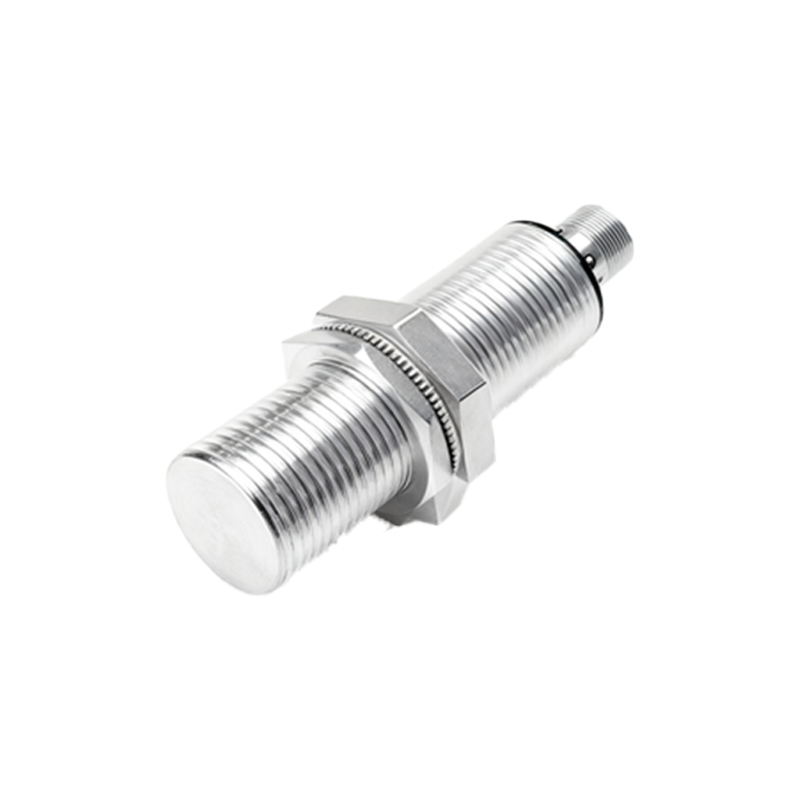
Inductive Proximity Sensors
Inductive proximity sensors are specifically engineered to detect metallic objects. They operate on the principle of electromagnetic induction, where an oscillator generates a fluctuating magnetic field. When a metallic target enters this field, eddy currents are induced on the object's surface, causing a change in the oscillation amplitude. This alteration is detected by a threshold circuit, triggering an output signal. These sensors are ideal for harsh environments due to their robustness and resistance to dust, moisture, and vibrations. Common applications include position sensing in conveyor systems, metal detection in machining, and part counting in assembly lines. Key considerations when selecting inductive sensors include sensing range, material type (ferrous or non-ferrous metals), and environmental conditions.
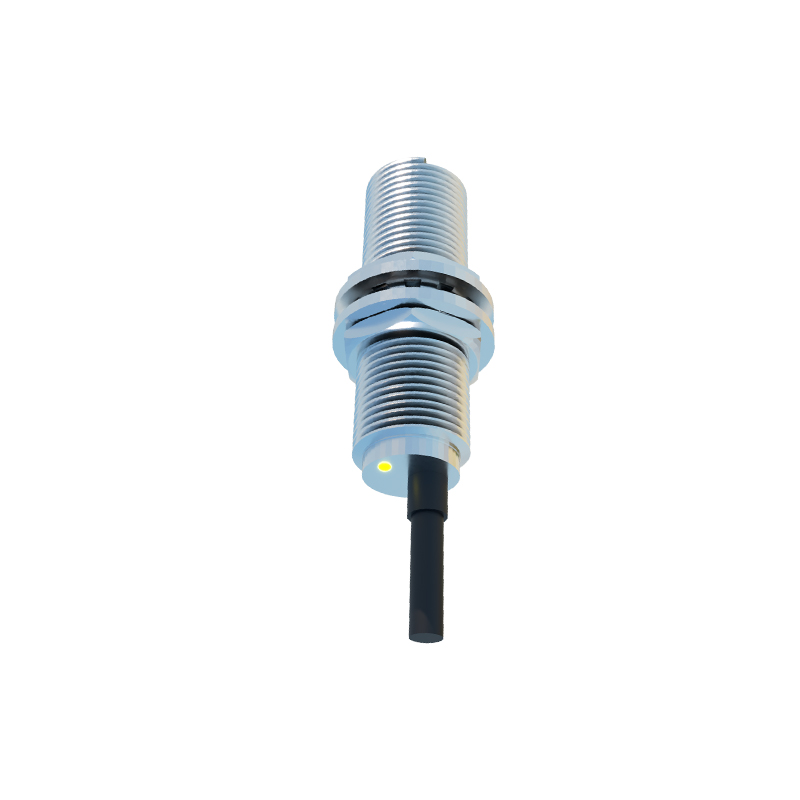
Capacitive Proximity Sensors
Capacitive proximity sensors can detect both metallic and non-metallic materials, such as liquids, plastics, glass, and wood. They function by measuring changes in capacitance between the sensor and the target object. The sensor generates an electrostatic field, and when an object enters this field, it alters the capacitance, which is then converted into a voltage change to activate the output. These sensors are versatile and suitable for level detection in tanks, material handling, and packaging industries. However, they may be influenced by environmental factors like humidity and temperature. Engineers should evaluate factors like dielectric constant of the target, sensing distance, and potential interference when implementing capacitive sensors in complex systems.
Ultrasonic Proximity Sensors

Ultrasonic proximity sensors use sound waves at frequencies beyond human hearing to detect objects. They emit ultrasonic pulses and measure the time taken for the echo to return after hitting a target. Based on the time-of-flight principle, these sensors calculate distance accurately, making them effective for both presence detection and ranging applications. They are capable of detecting various materials regardless of color, transparency, or surface texture, and perform well in challenging conditions like fog or dust. Typical uses include liquid level monitoring, object positioning in robotics, and collision avoidance in automated guided vehicles. Selection parameters include sensing range, response time, beam angle, and environmental acoustics to avoid false triggers from background noise.
Photoelectric Proximity Sensors
Photoelectric proximity sensors rely on light beams to detect objects. They consist of an emitter (usually an LED or laser) and a receiver. When an object interrupts or reflects the light beam, the receiver detects the change and triggers an output. These sensors are categorized into through-beam, retro-reflective, and diffuse-reflective types, each offering distinct advantages. Through-beam sensors provide long-range detection with high accuracy, while diffuse-reflective sensors are compact and easy to install. Photoelectric sensors are ideal for detecting small or fast-moving objects, such as in packaging, printing, and electronic assembly lines. Factors to consider include light source type, sensing distance, environmental lighting conditions, and target properties like color and reflectivity.
Magnetic Proximity Sensors
Magnetic proximity sensors detect the presence of magnetic fields, typically from permanent magnets. They utilize components like reed switches or Hall effect sensors to sense magnetic flux changes. When a magnet approaches, the sensor activates, providing a reliable switching signal. These sensors are known for their simplicity, low power consumption, and durability in extreme temperatures or sealed environments. Common applications include door position sensing in automotive systems, limit switching in machinery, and fluid level detection using magnetic floats. Engineers should assess magnetic field strength, switching frequency, and installation constraints when choosing magnetic sensors for specific industrial tasks.
Selection Criteria and Best Practices
Selecting the appropriate proximity sensor requires a thorough analysis of application requirements. Key factors include target material, sensing distance, environmental conditions (temperature, humidity, contaminants), response speed, output type (digital or analog), and electrical specifications. For instance, inductive sensors are preferred for metal detection in dirty environments, while capacitive sensors excel in liquid or granular material sensing. Ultrasonic and photoelectric sensors offer flexibility for non-contact ranging and diverse material detection. It is essential to consult manufacturer datasheets, perform field tests