Introduction to Metal Housing Square Proximity Sensors
Proximity sensors are fundamental components in modern industrial automation, providing non-contact detection of metallic objects. Among the diverse range of designs, the metal housing square proximity sensor stands out for its robustness and versatility. Characterized by its rectangular, often cube-like enclosure typically constructed from nickel-plated brass, stainless steel, or other durable alloys, this sensor type is engineered for demanding environments. The square form factor allows for efficient mounting and integration into machinery and production lines. Unlike cylindrical sensors, the flat surfaces of a square housing facilitate secure installation and prevent rotation, ensuring consistent sensing alignment. The primary function remains the detection of ferrous and non-ferrous metals without physical contact, utilizing electromagnetic fields or capacitive principles to trigger a switching signal.
Core Operating Principles and Technologies
The majority of metal housing square proximity sensors operate on the inductive sensing principle. Inside the rugged metal casing, a coil system generates a high-frequency oscillating electromagnetic field at the active face. When a metallic target enters this field, eddy currents are induced within the target, causing a change in the oscillation amplitude. This change is detected by the sensor's circuitry, which subsequently switches the output state. Key specifications include sensing distance, which is typically standardized (e.g., 5mm, 8mm, 10mm) and is often a fraction of the sensor's housing width. These sensors are predominantly available in DC versions (NPN or PNP output) and AC versions, with 2-wire, 3-wire, or 4-wire configurations. Advanced models feature embedded diagnostics, short-circuit protection, and immunity to electrical noise, all contained within the protective metal shell.
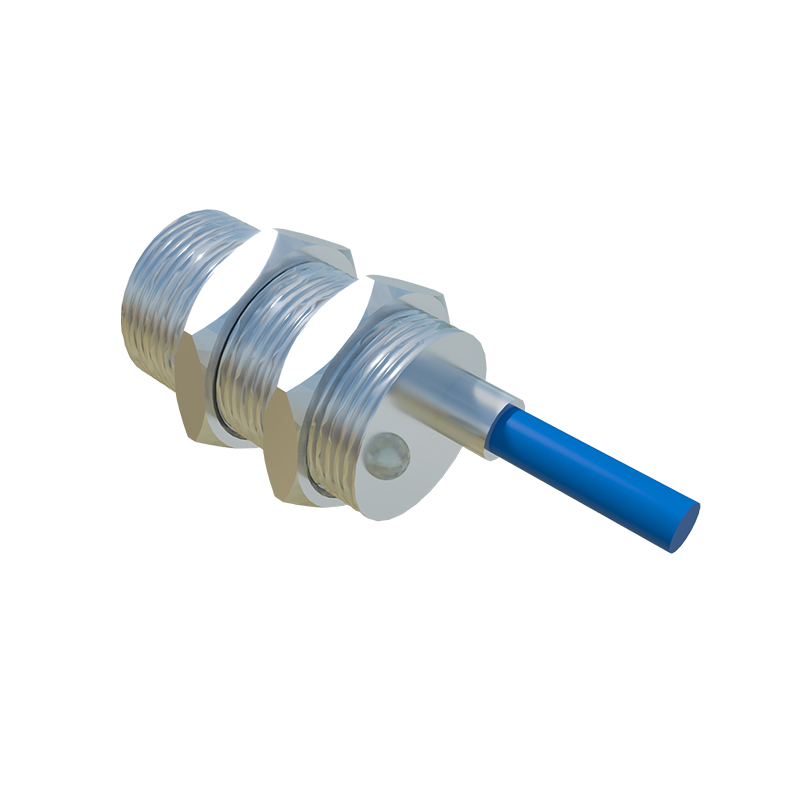
Advantages of the Metal Square Design
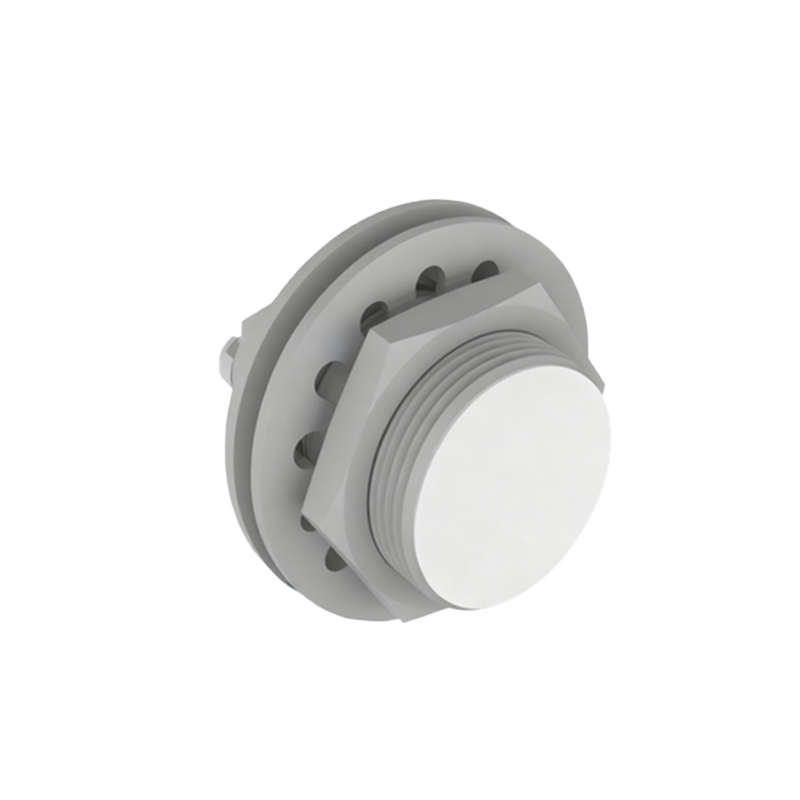
The choice of a square metal housing confers several critical advantages in industrial settings. First and foremost is exceptional mechanical strength and resistance to impact, vibration, and physical damage, which is superior to plastic-housed sensors. The metal construction also provides excellent shielding against electromagnetic interference (EMI), ensuring stable operation in electrically noisy environments typical of factories with motor drives and welding equipment. The design inherently offers a high degree of environmental protection, commonly achieving ratings of IP67 or IP69K, making them resistant to dust, oil, coolants, and high-pressure washdowns. The flat mounting surfaces allow for easy integration with standard brackets and fixtures, and the shape prevents incorrect orientation during installation, a common issue with cylindrical types.
Primary Industrial Applications
Metal housing square proximity sensors find applications across virtually every manufacturing sector. In automotive assembly lines, they are used for precise position detection of engine blocks, robotic arm end-effectors, and pallet presence on conveyors. In metalworking and machining centers, they monitor tool position, detect part presence in fixtures, and act as end-of-travel limit switches. Their washdown capability makes them ideal for food and beverage processing and packaging machinery. In material handling, they count products on conveyors, control gate positions, and ensure proper stacking in automated storage systems. The robust housing allows them to perform reliably in harsh outdoor or heavy-industry applications like steel mills, forestry equipment, and mining machinery.
Critical Selection Criteria for Engineers
Selecting the appropriate metal square proximity sensor requires careful consideration of several parameters. The sensing distance must be chosen with a safety margin, typically 70-80% of the nominal range, to account for target variations and temperature drifts. The housing material should be compatible with the environment; stainless steel is preferred for corrosive or sanitary applications. Output type (NPN sinking or PNP sourcing) must match the control system's input card requirements. Electrical specifications such as operating voltage, current consumption, and switching frequency are vital for system compatibility. Physical size constraints and mounting style (flush or non-flush) are also decisive; flush-mounted sensors can be embedded in metal, while non-flush types offer longer sensing ranges. Finally, connection method (pre-wired cable or quick-disconnect) impacts maintenance and replacement procedures.
Installation and Maintenance Best Practices
Proper installation is crucial for optimal performance and longevity. The sensor must be mounted securely to minimize vibration. Engineers must ensure there is adequate clearance around the sensing face; adjacent metal structures can reduce the effective sensing distance, a phenomenon known as shielding. For flush-mountable sensors, the surrounding metal should be recessed to allow the sensing field to project properly. Wiring should follow manufacturer guidelines, with attention to correct polarity and the use of conduit or shielded cables in high-noise areas. While these sensors are largely maintenance-free, periodic checks are recommended. This includes verifying the sensing face is clean from debris, metal chips, or buildup, inspecting the housing for physical damage or corrosion