Limited Sensing Range and Distance
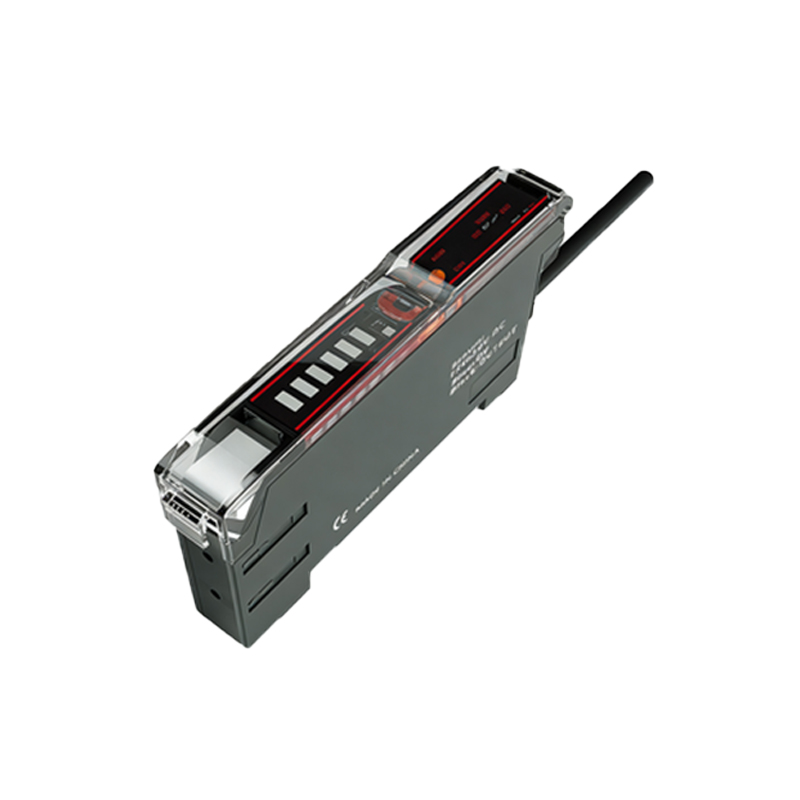
Photoelectric sensors, while versatile, often face constraints regarding their effective sensing range. Compared to some other sensing technologies like ultrasonic or inductive proximity sensors, standard photoelectric sensors have a more limited operational distance. For through-beam sensors, which require separate emitter and receiver units, the maximum range can be substantial, but alignment is critical and can be disrupted. Diffuse reflective sensors, which detect objects by bouncing light off them, have a significantly shorter range, often only a fraction of the through-beam type. This limitation makes them unsuitable for applications requiring detection over several meters without significant investment in high-power models. The sensing distance is also heavily influenced by the target object's color, surface finish, and size. Light-colored, reflective surfaces return a strong signal, while dark, matte, or absorbent surfaces drastically reduce the effective range, leading to potential missed detections or requiring sensor sensitivity adjustments that can introduce instability.
Sensitivity to Environmental Interference
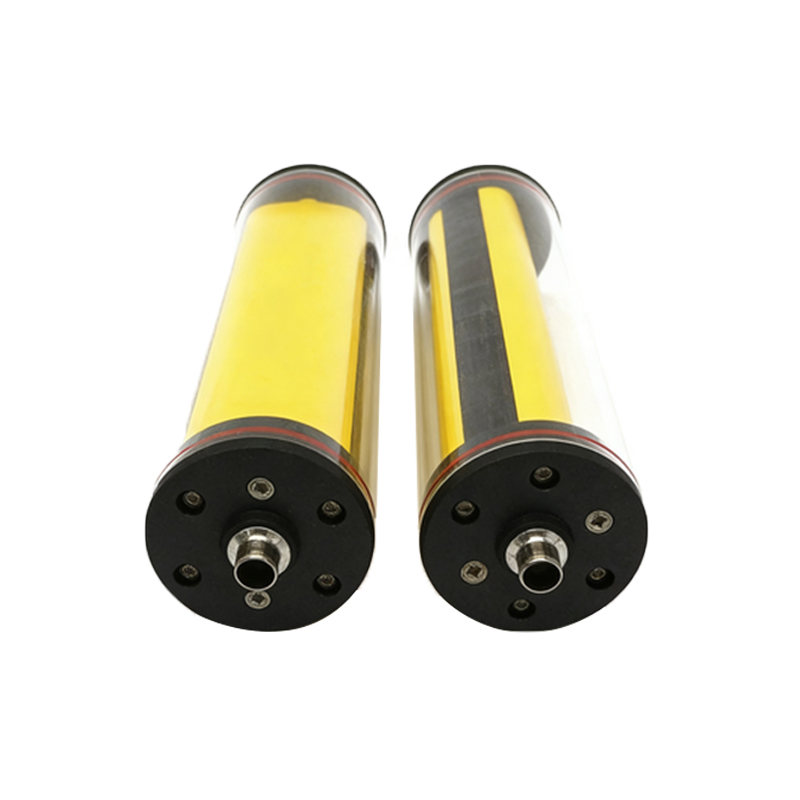
The performance of photoelectric sensors is notoriously susceptible to various environmental factors. Ambient light is a primary concern. Strong sunlight or bright factory lighting containing similar wavelengths to the sensor's LED (often infrared or red) can saturate the receiver, causing false triggers or failure to detect. Special filters and modulated light signals help mitigate this, but they add cost and complexity. Contaminants such as dust, fog, steam, oil mist, or dirt can accumulate on the lens, attenuating the light beam. In dirty industrial environments like foundries or woodworking shops, this necessitates frequent maintenance and cleaning to ensure reliability. Furthermore, the presence of vibratory or shock conditions can misalign the precise optical path, especially for through-beam and retro-reflective setups, leading to intermittent operation.
Material and Surface Dependencies
A fundamental disadvantage lies in the sensor's interaction with the target material. As mentioned, the detection consistency is not guaranteed across different objects. Transparent materials like glass or clear plastics can be nearly invisible to standard sensors, as most of the light passes through. Special polarized or background suppression models are required, increasing cost. Similarly, highly reflective or mirror-like surfaces can deflect the beam unpredictably, potentially causing the receiver to miss the signal entirely. Even with opaque objects, a shiny black surface might be detected at a different distance than a matte white one of the same size, complicating setup and calibration. This lack of uniformity requires careful application engineering for each specific use case, reducing plug-and-play simplicity.
Physical Installation and Alignment Challenges
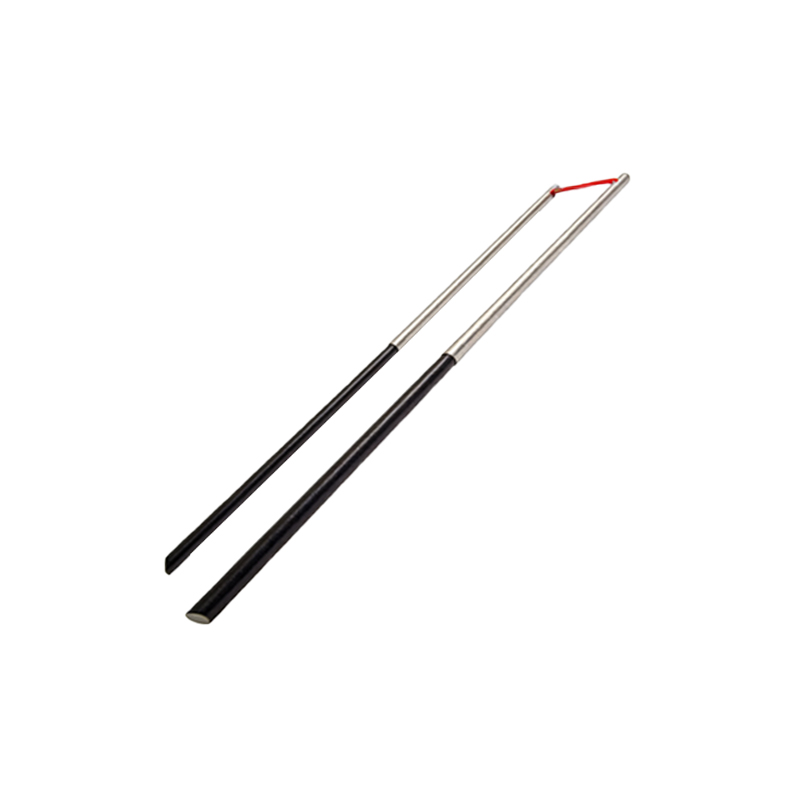
Achieving and maintaining precise alignment is a critical and often time-consuming task, particularly for through-beam and retro-reflective sensors. The emitter and receiver must be carefully aligned along the same axis, a process that can be difficult in tight spaces or over long distances. Any subsequent vibration, thermal expansion of machinery, or accidental bump can knock them out of alignment, causing system downtime. While diffuse sensors eliminate the alignment issue for the receiver, they introduce a different challenge: setting the correct sensitivity threshold to distinguish the target from the background. This sensitivity adjustment is often a delicate balance and can be affected by changing environmental light or dust accumulation on the lens.
Higher Relative Cost for Complex Solutions
For basic detection tasks, photoelectric sensors can be cost-competitive. However, when the application demands overcoming their inherent disadvantages, the cost rises significantly. Sensors equipped with specialized features like background suppression (to ignore objects beyond a set distance), polarized filters (to see transparent objects), robust housings for harsh washdowns (IP69K), or high-power lasers for long range represent a considerable investment. The total cost of ownership must also factor in the potential for more frequent maintenance (cleaning lenses, realigning), calibration time, and the risk of production stoppages due to environmental interference. In some applications, a simpler, more robust technology like an inductive proximity sensor (for metals) or a capacitive sensor (for non-metals) may offer a more reliable and ultimately cheaper solution despite a narrower scope of detection.
Limitations in Sensing Specific Object Characteristics
Photoelectric sensors are primarily presence/absence detectors. While some advanced models can perform basic contrast detection or measure slight distance changes via analog output, they are generally poor at discerning other object characteristics that are crucial in many industrial settings. They cannot typically identify color with high accuracy (special color sensors are a distinct, more expensive category), measure precise thickness, or determine material composition. For tasks requiring such detailed inspection, vision systems or specialized spectroscopic sensors are necessary. Relying on a standard photoelectric sensor for these tasks leads to inadequate performance and process errors.