Introduction to the IFM OGD524 Sensor
The IFM OGD524 is a high-performance photoelectric sensor designed for demanding industrial automation and control applications. As part of IFM's extensive sensor portfolio, the OGD524 series offers reliable object detection, precise positioning, and robust performance in various environmental conditions. These sensors utilize advanced optical technology to detect objects regardless of their material, color, or surface texture, making them versatile solutions for manufacturing, packaging, material handling, and automotive industries. The OGD524 models are engineered with a focus on durability, easy integration, and consistent accuracy, which are critical factors in modern automated systems where downtime and errors can lead to significant production losses.
Key Technical Specifications and Operating Principles
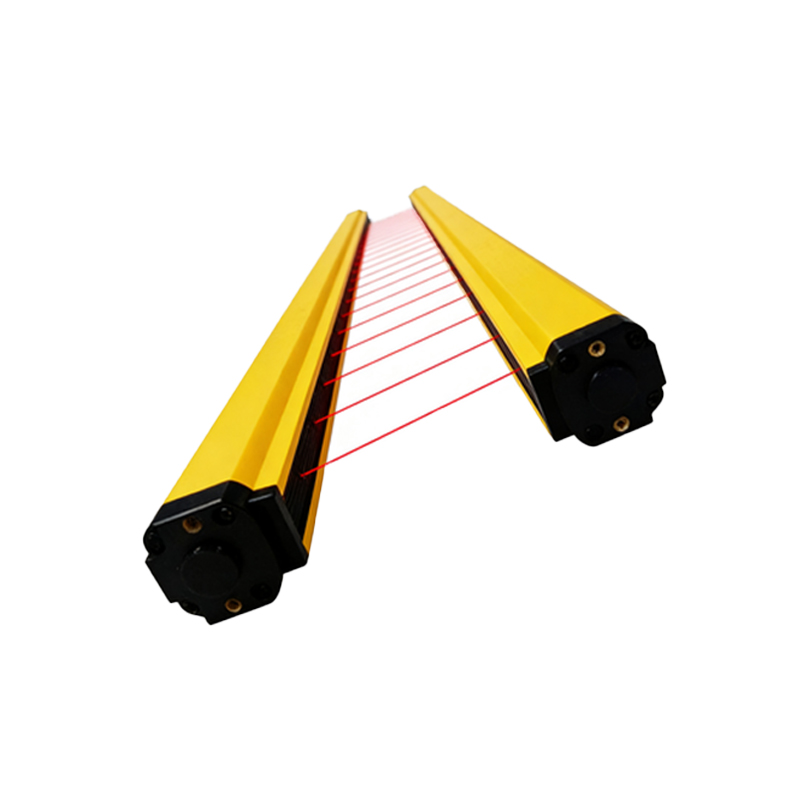
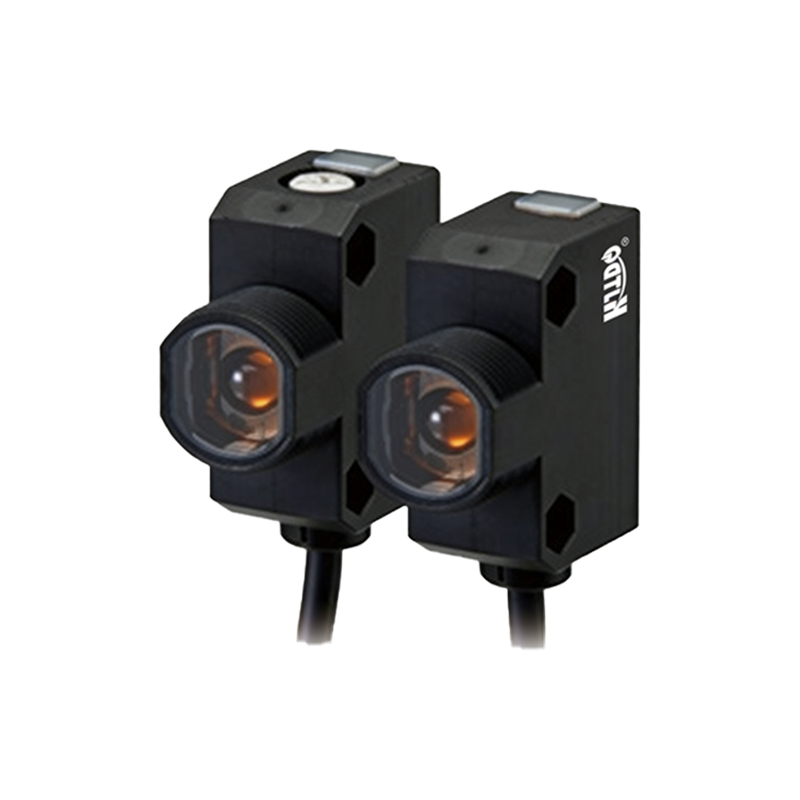
The OGD524 sensor operates primarily on the diffuse reflective sensing principle, where the emitted light beam from the sensor reflects off the target object back to the receiver. This design allows for straightforward installation without the need for a separate reflector. Key specifications typically include a sensing range up to 2 meters, depending on the specific model and object properties. It features a visible red light beam for easy alignment and setup. The sensor housing is usually constructed from robust materials like PBT or metal, offering high ingress protection ratings such as IP67 or IP69K, ensuring resistance to dust, water, and harsh cleaning agents. Electrical connections are standardized with M12 connectors, and output options include both PNP and NPN configurations, along with analog or switching outputs to interface seamlessly with PLCs and control systems.
Advanced Features and Functionality
Beyond basic detection, the IFM OGD524 incorporates several advanced features that enhance its utility. Many models include adjustable sensitivity via potentiometers or teach-in functions, allowing users to fine-tune the sensor for specific applications and to ignore background interference. Some variants offer background suppression technology, which enables precise detection of objects within a defined range while ignoring objects beyond it. Additional functionalities may include short-circuit protection, reverse polarity protection, and diagnostic indicators via LED signals. These features contribute to the sensor's reliability, reduce maintenance needs, and simplify troubleshooting processes in complex machinery.
Typical Industrial Application Scenarios
In industrial settings, the OGD524 finds widespread use. In conveyor belt systems, it detects the presence, position, or passage of products, boxes, or components, triggering subsequent actions like sorting, counting, or robotic picking. Within packaging machinery, it ensures correct filling levels, verifies label placement, or monitors film breaks. In automotive assembly lines, the sensor can detect parts on pallets or ensure precise positioning of components. Its robust design makes it suitable for washdown areas in food and beverage production. The sensor's ability to operate reliably in environments with vibration, temperature fluctuations, or exposure to oils and coolants underscores its adaptability across sectors.
Installation, Configuration, and Best Practices
Proper installation is crucial for optimal performance. Mounting the sensor securely to minimize vibration effects, aligning the beam correctly with the target, and considering the object's size, color, and reflectivity are essential steps. The visible light spot aids in alignment. Configuration involves setting the sensing range and sensitivity to avoid false triggers from background objects or environmental light. Users should refer to the specific datasheet for wiring diagrams and voltage requirements (commonly 10-30 V DC). Regular maintenance includes cleaning the lens to prevent buildup of dirt or debris that could attenuate the light beam. Following IFM's guidelines for environmental limits ensures long-term reliability.
Advantages Over Alternative Sensing Technologies
Compared to other proximity sensors like inductive or capacitive types, photoelectric sensors such as the OGD524 offer the significant advantage of detecting non-metallic objects over longer distances. Versus ultrasonic sensors, they provide faster response times and are less affected by air turbulence or temperature gradients. The OGD524's diffuse reflective mode simplifies installation compared to through-beam sensors that require separate emitter and receiver units. Its rugged construction and high protection ratings give it an edge in harsh environments where other optical sensors might fail. The combination of range, speed, material versatility, and robustness makes it a preferred choice for many automation engineers.
Integration with Industry 4.0 and IoT Systems
Modern iterations of sensors like the OGD524 are increasingly designed with connectivity features that align with Industry 4.0 initiatives. While the core OGD524 is a standard sensor, IFM's ecosystem often includes devices with IO-Link communication capability. IO-Link enables digital parameter setting, remote monitoring, and advanced diagnostics, allowing the sensor to transmit status data, health information, and process values to higher-level control systems. This facilitates predictive maintenance, reduces machine downtime, and integrates sensor data into broader IoT platforms for analytics and optimization. Even without IO-Link, the reliable analog or switching output of the OGD524 provides essential data for automated control loops.
Conclusion and Selection Guidance
The IFM OGD524 photoelectric sensor represents a reliable and versatile component in the industrial sensor landscape. Its design balances performance, durability, and ease of use. When selecting a sensor for an application, engineers should consider factors such as required sensing distance, object characteristics, environmental conditions, needed response time, and output interface. Consulting the detailed technical documentation from IFM is always recommended to choose the exact model variant that matches the application requirements. With proper selection and installation, the OGD524 contributes significantly to enhancing the efficiency, safety, and reliability of automated industrial processes.