Understanding the Immediate Risks of Water Ingress
When a 24V DC proximity sensor becomes submerged or exposed to significant water ingress, the immediate concern shifts from operational functionality to preventing catastrophic failure and potential safety hazards. Water, especially if conductive due to minerals or contaminants, creates short-circuit paths across the sensor's internal circuitry. This can instantly damage sensitive electronic components like the oscillator, trigger circuit, and output switching element (typically a transistor). Beyond the electronics, water can corrode metal housings, degrade cable insulation, and compromise the integrity of epoxy-potted sections. The 24V DC supply, while considered low voltage in many industrial contexts, provides enough energy to cause sustained damage if a short circuit occurs. The first rule is never to power the sensor while it is wet or if you suspect internal contamination.
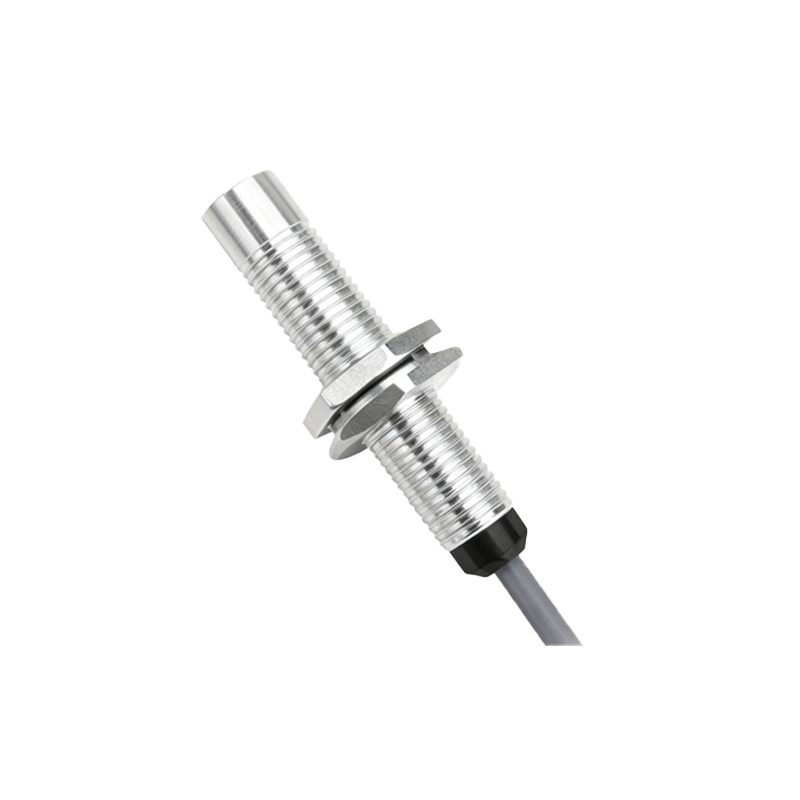
Immediate Post-Submersion Action Protocol
The minutes following the incident are critical. Immediately disconnect the sensor from its 24V DC power source and any connected load, such as a PLC input or relay. If possible, also disconnect it from the mechanical system to allow for handling. Do not attempt to dry the sensor by applying external heat sources like compressed air guns on a hot setting or ovens, as this can force moisture deeper into crevices or damage components. Instead, gently wipe off any external water with a lint-free cloth. If the sensor is a cylindrical barrel type, you may carefully remove it from its mounting bracket. For devices with cable outlets or connectors, pay special attention to these areas where water may be drawn in via capillary action. Label the sensor clearly to prevent it from being accidentally reinstalled.
Disassembly and Internal Inspection Procedures
Whether to disassemble the sensor depends on its IP (Ingress Protection) rating and construction. Many industrial proximity sensors are sealed units (e.g., IP67, IP68) and are not designed for user servicing. Attempting to open them may void warranties and often destroys the seal. However, for critical assessment or high-value sensors, a technician might proceed. Using appropriate tools, carefully open the housing. Note the condition of O-rings or gaskets—their failure is a common cause of ingress. Internally, inspect for visible water droplets, mineral deposits (white or green residue), or signs of corrosion on the circuit board and terminals. Look for burnt components or discolored PCB traces, which indicate electrical damage. Document findings with photographs for warranty claims or failure analysis reports.
Cleaning and Drying Techniques for Electronics
If internal contamination is found and the damage appears minimal, careful cleaning may be attempted. Use high-purity isopropyl alcohol (90% or higher) and a soft brush to gently dislodge contaminants and rinse away residual water. The alcohol displaces water and evaporates quickly. Avoid using tap water or standard cleaning sprays. After cleaning, the drying process is paramount. Place the disassembled components in a controlled environment with low humidity. Silica gel desiccant packs in a sealed container are highly effective. Alternatively, a dedicated electronic drying cabinet is ideal. The process should be slow and may take 24-48 hours. Rushing this step risks leaving trapped moisture that will cause later corrosion and intermittent faults.
Functional Testing and Re-evaluation
After thorough drying, reassemble the sensor if applicable, ensuring any seals are correctly positioned. Before connecting to the actual system, perform a bench test. Connect the sensor to a 24V DC power supply with a current-limited function, if available, to prevent damage in case of a persistent short. Use a piece of the target material (e.g., steel) to test its sensing function. Monitor the output with a multimeter or oscilloscope. Check for correct switching behavior, response time, and the absence of signal chatter. Even if it functions, the sensor's long-term reliability is compromised. The integrity of its environmental seal is permanently reduced, and latent corrosion may progress. Therefore, the safest professional recommendation is to replace the sensor for any critical application.
Preventive Measures and Correct Sensor Selection
The best solution is to prevent submersion. Re-evaluate the sensor's IP rating relative to its environment. An IP67 sensor is protected against temporary immersion, while IP68 guarantees continuous immersion under specified conditions. For washdown areas or permanent wet locations, specify sensors with appropriate IP69K ratings (resistant to high-pressure, high-temperature jet cleaning). Ensure cable glands and conduit entries are properly sealed. Consider using sensors with stainless steel housings for superior corrosion resistance. Implement regular inspection schedules as part of preventive maintenance to check for seal degradation, cable jacket cracks, or