Introduction to Photoelectric Sensor Vulnerabilities
Photoelectric sensors are indispensable components in modern industrial automation, renowned for their non-contact detection, high speed, and versatility. However, like all electronic devices, they are susceptible to various failures that can disrupt entire production lines. Understanding the common failure modes and their underlying causes is crucial for maintenance personnel and system designers. These failures often stem from environmental factors, improper installation, component degradation, or electrical issues. A proactive approach to identifying these root causes can significantly reduce downtime and maintenance costs, ensuring consistent operational efficiency. This article delves into the technical shortcomings and typical failure reasons of photoelectric sensors, providing a detailed analysis from an engineering perspective.
Environmental Contamination and Lens Obstruction
One of the most prevalent causes of photoelectric sensor malfunction is environmental contamination. In industrial settings, sensors are frequently exposed to dust, oil mist, steam, and other particulates. These contaminants can accumulate on the sensor's lens or the reflector's surface, progressively attenuating the light beam. For through-beam sensors, dirt on either the emitter or receiver lens can cause signal loss. For diffuse reflective sensors, a dirty target or sensor window can prevent proper light reflection. This attenuation may lead to intermittent operation or a complete failure to detect objects. Regular cleaning schedules are essential, but in highly contaminated environments, selecting sensors with higher IP ratings or built-in air purge systems is a more robust solution to mitigate this inherent weakness.
Misalignment and Mechanical Vibration
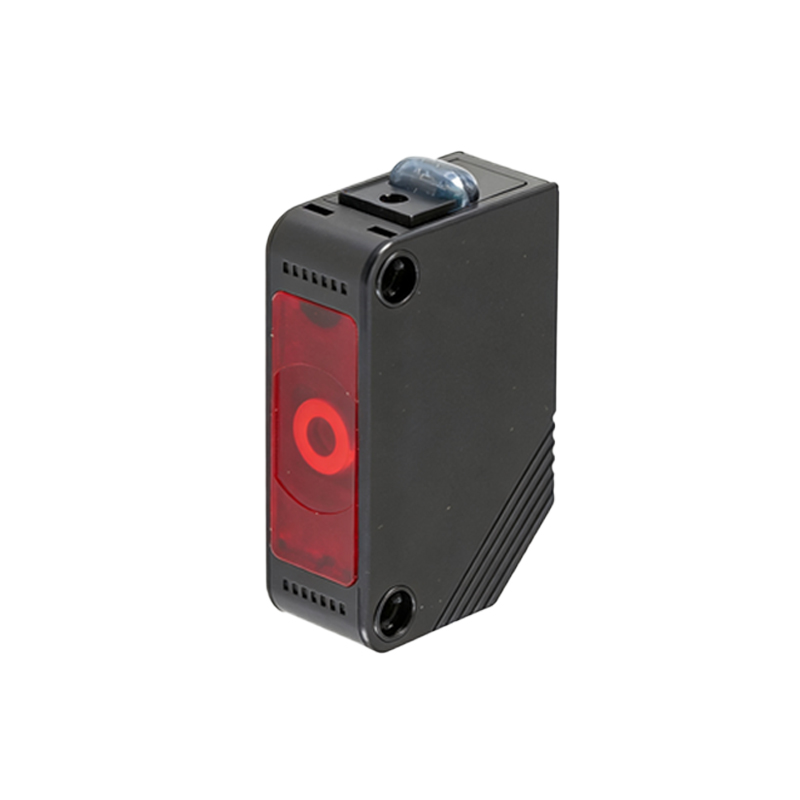
Improper alignment is a critical, yet common, installation error that leads to sensor failure. Photoelectric sensors, especially through-beam and retro-reflective types, require precise alignment between the emitter and receiver. Even minor misalignment, often caused by initial setup errors or subsequent mechanical shock, can drastically reduce the received signal strength. Furthermore, machinery vibration is a pervasive issue in industrial plants. Continuous vibration can gradually loosen mounting hardware, leading to sensor drift and misalignment over time. This results in unreliable detection, false triggers, or missed counts. Using sturdy mounting brackets, vibration-dampening materials, and performing periodic alignment checks are necessary preventive measures to counteract this mechanical vulnerability.
Electrical Noise and Interference
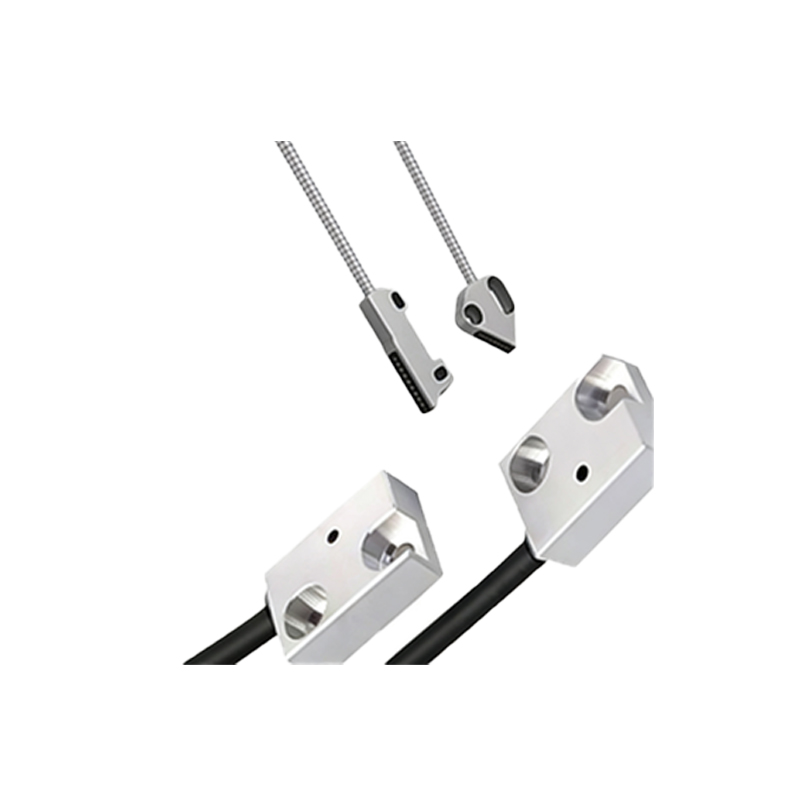
Industrial environments are electrically noisy, filled with electromagnetic interference (EMI) from motors, variable frequency drives (VFDs), welding equipment, and communication cables. Photoelectric sensors, particularly those with analog outputs or operating at high frequencies, are vulnerable to this noise. Electrical interference can induce false signals in the sensor's circuitry, causing erratic switching behavior. Common failure symptoms include the sensor triggering without a target present or failing to trigger when a target is detected. Shielding sensor cables, using twisted-pair wires, ensuring proper grounding, and separating signal cables from power lines are standard practices. Additionally, selecting sensors with robust noise immunity ratings is crucial for reliable operation in electromagnetically harsh conditions.
Incorrect Sensing Mode Application
A fundamental failure reason often lies in the selection of an inappropriate sensing mode for the application. The three primary types—through-beam, retro-reflective, and diffuse—each have specific limitations. Using a diffuse sensor for a highly reflective or low-reflectivity target can cause inconsistent detection. Retro-reflective sensors may fail if the target is shiny or if the background is highly reflective, causing false readings. Through-beam sensors, while powerful, require precise alignment and are unsuitable for applications where mounting both emitter and receiver is impractical. This selection error is not a sensor defect per se but a design flaw that leads to perceived sensor failure. A thorough analysis of the target object's properties, required sensing distance, and environmental conditions is mandatory to avoid this pitfall.
LED Degradation and Power Supply Issues
The light-emitting diode (LED) is the core component of a photoelectric sensor. Over extended operational periods, typically tens of thousands of hours, LED output intensity can gradually degrade. This natural aging process reduces the sensor's effective sensing range and margin of safety, eventually leading to failure. Operating the sensor in high ambient temperatures accelerates this degradation. Equally critical are power supply problems. Voltage spikes, sags, or the use of an incorrect voltage can damage the sensor's internal electronics. Reverse polarity connection is a common installation mistake that can cause immediate and permanent damage. Ensuring a stable, clean power supply within the sensor's specified voltage range and protecting the circuit with surge suppressors are key to maximizing sensor lifespan and preventing premature failure.
Inadequate Environmental Protection Rating
Many sensor failures are directly attributable to the mismatch between the sensor's Ingress Protection (IP) rating and the actual environmental conditions. A sensor rated IP67 may function perfectly in a washdown area, but one rated IP65 could fail due to water ingress. Exposure to chemicals, solvents, or extreme temperatures beyond the sensor's specification can degrade housing materials, seals, and optical components. For instance, prolonged exposure to ultraviolet light can yellow plastic lenses, attenuating light transmission. Selecting a sensor with an IP rating, temperature range, and material compatibility that exceeds the expected environmental extremes is a fundamental requirement for long-term reliability. This oversight in specification is a frequent root cause of catastrophic sensor failure.
Conclusion and Best Practices
While photoelectric sensors are robust devices, their performance and longevity are contingent upon correct selection, installation, and environmental management. The common failures—environmental contamination, misalignment, electrical noise, application error, component aging, and inadequate protection—are often preventable. Implementing a regimen of proper installation following manufacturer guidelines, routine preventive maintenance including lens cleaning and alignment verification, and selecting the correct sensor for the specific application are the most effective strategies. By understanding these inherent weaknesses and their root causes, engineers and technicians can design more resilient systems and ensure the continuous, reliable operation that modern automation demands.