Introduction to Sensing Technologies
In the realm of industrial automation and machine safety, proximity and photoelectric sensors are indispensable components. These devices detect the presence, absence, or position of an object without physical contact, ensuring efficient, reliable, and non-destructive operation. While often discussed together, they represent distinct families of technology based on different physical principles. Proximity sensors typically detect objects through changes in an electromagnetic field, whereas photoelectric sensors utilize a beam of light. This guide delves into the various types within each category, outlining their operating principles, typical applications, and key selection criteria for engineers and system integrators.
Inductive Proximity Sensors
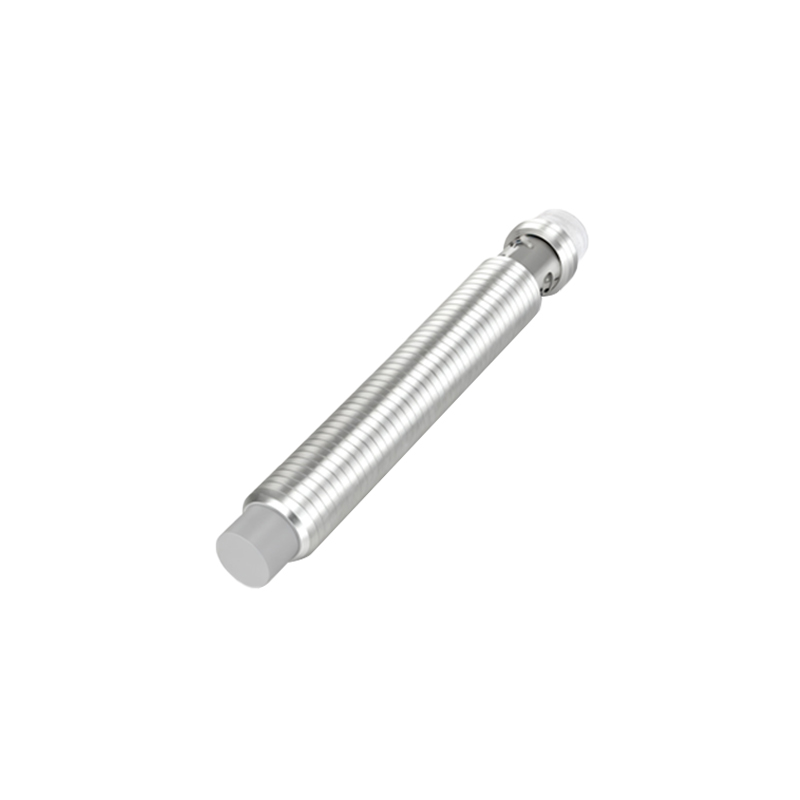
Inductive proximity sensors are workhorses in metal detection applications. They operate by generating an oscillating electromagnetic field from a coil in the sensor's face. When a metallic object enters this field, it induces eddy currents within the metal, which dampens the oscillation. The sensor's circuitry detects this change and triggers an output signal. These sensors are highly reliable, resistant to environmental contaminants like dust and oil, and are ideal for short-range detection of ferrous and non-ferrous metals. Common types include shielded (flush-mountable) and unshielded versions, with sensing ranges varying by the target metal's properties and size.
Capacitive Proximity Sensors
Unlike their inductive counterparts, capacitive proximity sensors can detect a much wider range of materials, including metals, plastics, glass, liquids, and granular substances. They function by measuring changes in capacitance. The sensor forms one plate of a capacitor, with the target object acting as the other plate. As an object approaches, the capacitance increases, and once it reaches a preset threshold, the sensor switches. This makes them perfect for applications like liquid level detection, material handling of non-metals, and presence sensing through thin non-metallic barriers. Sensitivity adjustment is a key feature, allowing tuning to ignore certain materials or container walls.
Ultrasonic Proximity Sensors
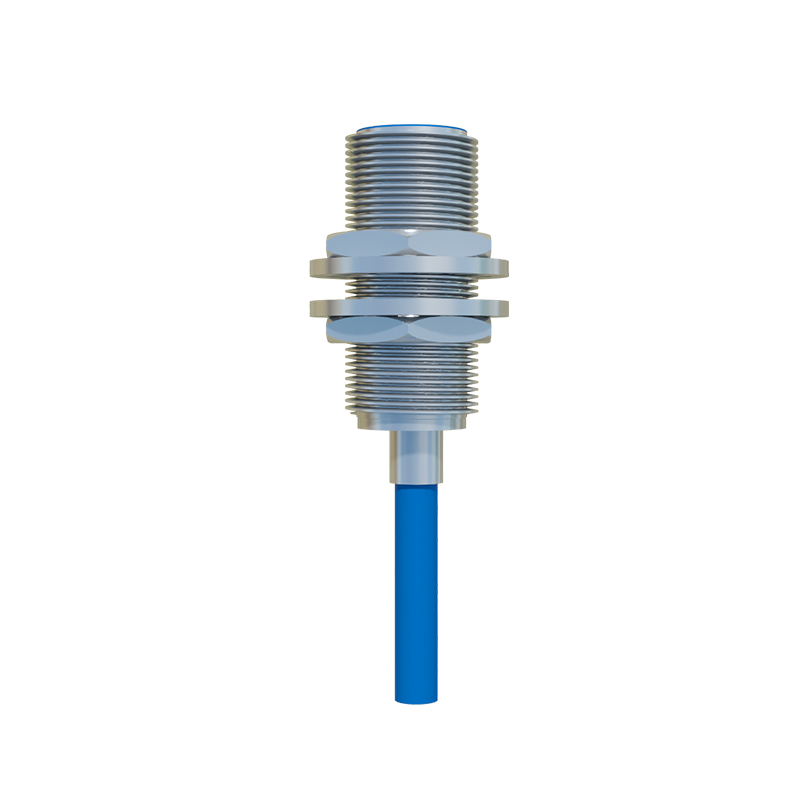
Ultrasonic sensors use sound waves beyond the human hearing range for detection. They emit high-frequency sound pulses and measure the time it takes for the echo to return from a target object. This time-of-flight principle allows them to measure both presence and distance (analog output), making them true proximity devices. They are excellent for detecting objects regardless of color, transparency, or material, and perform well in challenging environments with dust, mist, or smoke. Common applications include bulk material level monitoring, loop control, and collision avoidance on automated guided vehicles (AGVs).
Photoelectric Sensors: Through-Beam Type
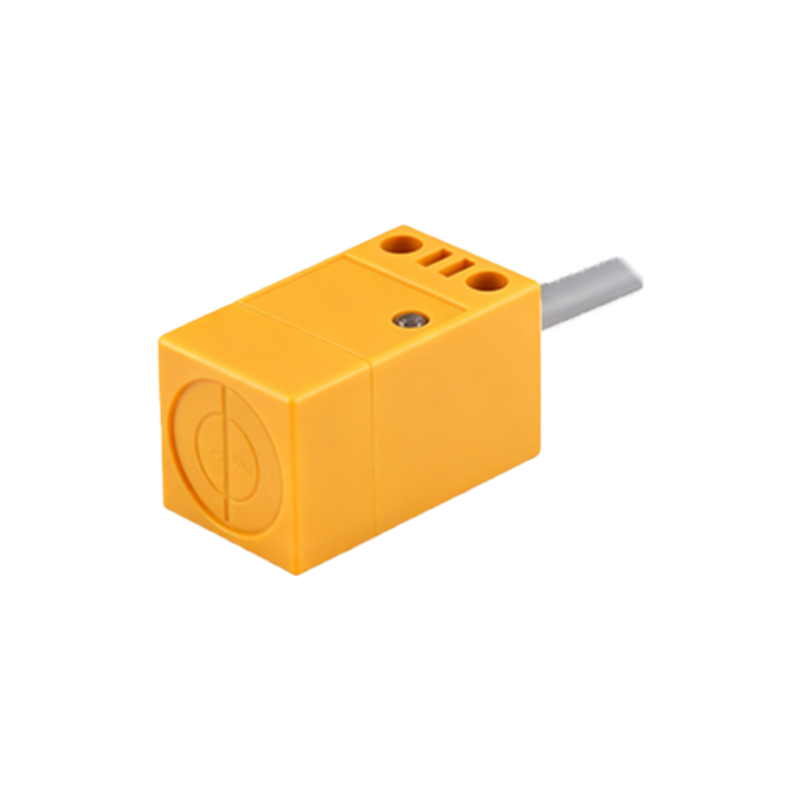
Photoelectric sensors, or photoeyes, are categorized primarily by their beam emission and reception method. The through-beam (or opposed) type consists of separate, aligned transmitter and receiver units. The transmitter projects a continuous or modulated light beam to the receiver. An object is detected when it interrupts this beam. This configuration offers the longest sensing range and highest reliability, as it is largely immune to target surface color, reflectivity, or angle. It is commonly used for object counting, safety light curtains, and detecting small or transparent objects over considerable distances.
Photoelectric Sensors: Retroreflective Type
The retroreflective sensor houses both the emitter and receiver in a single housing. It projects a light beam towards a specialized reflector (corner-cube or tape), which reflects the beam directly back to the receiver. Detection occurs when an object breaks the beam path. This type provides a good sensing range, longer than diffuse models but shorter than through-beam. A key challenge is distinguishing the target from a highly reflective background, which is often addressed by using polarized light filters that only accept light reflected from the specific retroreflector.
Photoelectric Sensors: Diffuse Reflective Type
Also known as proximity-mode sensors, diffuse reflective types have the emitter and receiver in one unit. They detect an object by the light reflected directly off the target's surface back to the receiver. The sensing distance depends heavily on the target's size, color, and texture—light-colored, matte surfaces provide the best range. These are the most compact and easiest to install, requiring only a single wiring point. They are widely used for detecting objects at short to medium ranges, such as in packaging machinery, conveyor systems, and part positioning.
Photoelectric Sensors: Background Suppression and Fixed Field
Advanced diffuse sensors incorporate background suppression (BGS) or fixed field (also known as convergent beam) technology. These sensors use triangulation or optics to define a precise sensing window. They ignore objects beyond a set distance, even if highly reflective, and detect objects within the window regardless of color or reflectivity