The Evolution of Proximity Sensor Technology
The landscape of industrial automation is undergoing a profound transformation, driven by the relentless advancement of sensing technologies. At the forefront of this change are proximity sensors, the silent sentinels that enable machines to perceive their environment without physical contact. The latest generation of these devices moves far beyond simple presence detection. Modern proximity sensors now integrate sophisticated capabilities such as precise distance measurement, material differentiation, and even condition monitoring. This evolution is largely fueled by suppliers who are pushing the boundaries of physics and microelectronics, delivering solutions that offer unprecedented accuracy, reliability, and intelligence for smart factories and complex machinery.
Key Criteria for Selecting a Modern Supplier
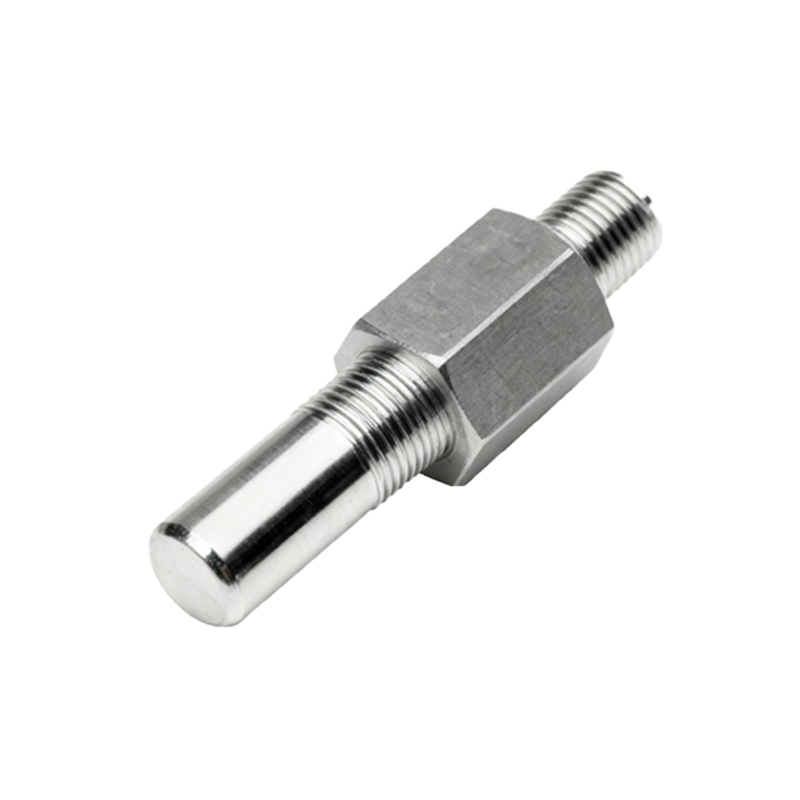
Choosing the right proximity sensor supplier is a critical decision that impacts system performance and operational efficiency. Leading suppliers distinguish themselves through several key attributes. First is technological breadth, offering a comprehensive portfolio that includes inductive, capacitive, ultrasonic, and photoelectric sensors to suit diverse applications. Second is innovation in miniaturization and integration, producing sensors that are smaller yet more powerful, often with embedded IO-Link communication for seamless Industry 4.0 connectivity. Third, a robust global support and engineering services network is indispensable, providing application-specific solutions and rapid troubleshooting. Finally, a commitment to quality and durability, often evidenced by certifications like IP67/IP69K ratings for harsh environments, separates top-tier suppliers from the rest.
Pioneering Features from Leading Market Players
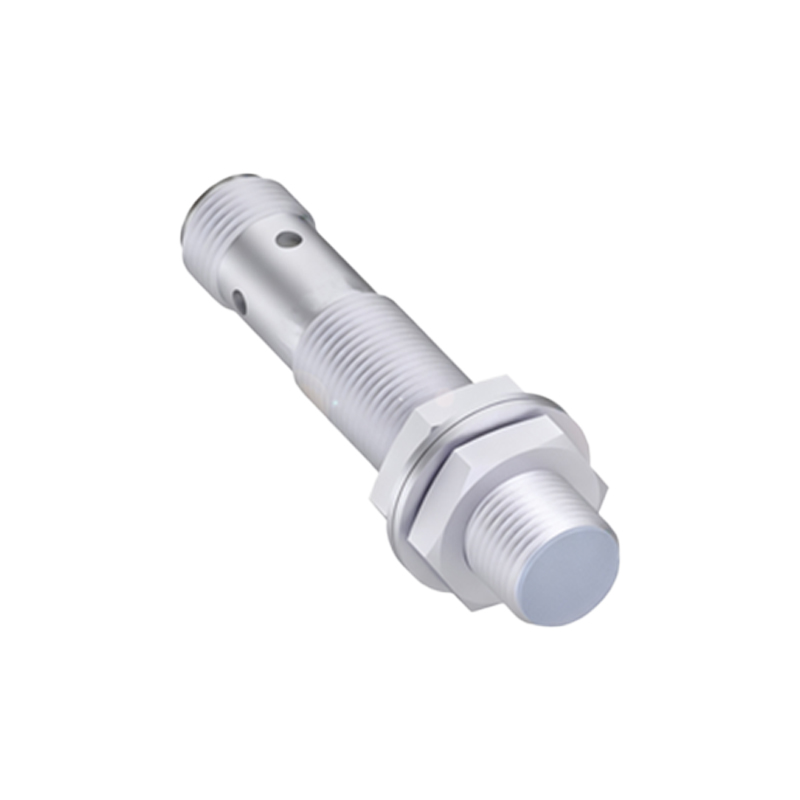
Several suppliers are setting new benchmarks in the industry. For instance, some specialize in high-precision analog sensors that provide continuous distance data with sub-micron resolution, essential for robotic positioning and assembly tasks. Others excel in developing ultra-rugged sensors with metal faces and enhanced resistance to welding spatter and cutting fluids, ideal for heavy-duty machining and automotive manufacturing. A significant trend is the integration of advanced diagnostics directly into the sensor. Modern units can monitor their own lens contamination, temperature fluctuations, and signal strength, providing predictive maintenance data that prevents unplanned downtime. Furthermore, suppliers are now offering sensors with advanced algorithms capable of ignoring background objects or detecting specific colors and contrasts, solving previously complex application challenges.
Application-Specific Solutions Driving Efficiency
The true value of a superior supplier lies in their ability to provide tailored solutions. In logistics and packaging, suppliers offer miniature photoelectric sensors with precise background suppression for reliable object detection on high-speed conveyor belts. For the food and beverage industry, suppliers provide capacitive sensors with hygienic, polished stainless-steel housings that resist corrosive washdowns while detecting levels through non-metallic container walls. In automated guided vehicle (AGV) systems, suppliers have developed specialized sensors for accurate docking and obstacle avoidance, combining long range with a compact form factor. These application-engineered products demonstrate a supplier's deep understanding of end-user challenges and their capacity to innovate accordingly.
The Future: Smart Sensors and IoT Integration
The trajectory for proximity sensor suppliers is clearly pointed towards greater intelligence and connectivity. The next wave of innovation involves sensors that are not just components but intelligent nodes within the Industrial Internet of Things (IIoT). Future sensors will feature enhanced data processing at the edge, communicating detailed operational insights directly to cloud platforms or PLCs. Suppliers are investing in developing sensors with embedded security protocols and standardized data models (like OPC UA) to ensure safe, plug-and-play integration into digital ecosystems. This shift transforms the proximity sensor from a simple switch into a rich source of machine data, enabling predictive analytics, energy optimization, and truly adaptive manufacturing processes. Partnering with a supplier actively pioneering in this smart sensor domain is crucial for any organization building the factories of the future.