Introduction to E3FAT-P11 Photoelectric Sensor
The E3FAT-P11 is a widely recognized photoelectric sensor in industrial automation, known for its reliable performance in object detection and positioning tasks. This sensor operates on the principle of emitting a light beam and detecting its reflection or interruption, making it suitable for various applications such as conveyor belt monitoring, assembly line counting, and safety systems. Its compact design and robust construction allow it to function effectively in harsh environments, including areas with dust, moisture, or temperature fluctuations. The E3FAT-P11 typically features a sensing range that can be adjusted based on specific needs, offering flexibility for different industrial setups. As a key component in modern manufacturing and logistics, understanding its pricing factors is essential for engineers and procurement specialists aiming to optimize costs without compromising on quality.
Key Factors Influencing E3FAT-P11 Price
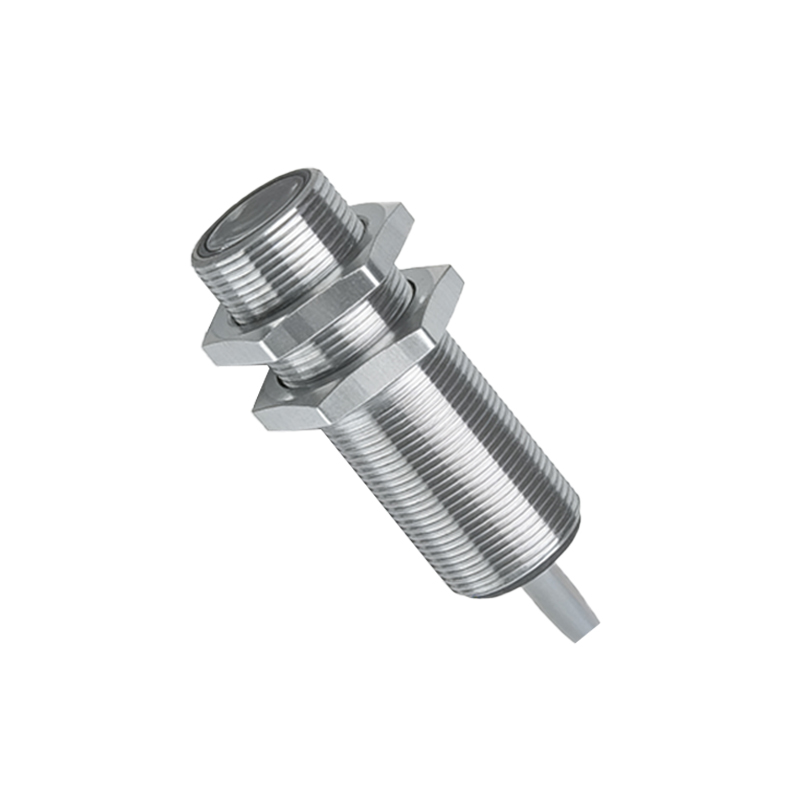
Several elements contribute to the market price of the E3FAT-P11 photoelectric sensor. First, the cost of raw materials, such as high-quality optical components and durable housing materials, plays a significant role. Fluctuations in global supply chains for electronics can lead to price variations. Second, manufacturing complexity affects pricing; advanced features like adjustable sensitivity, built-in amplifiers, or enhanced environmental protection (e.g., IP67 ratings) may increase production costs. Third, brand reputation and warranty offerings influence price points, with well-established manufacturers often charging a premium for reliability and after-sales support. Additionally, market demand and competition among suppliers can cause price shifts, especially during periods of high industrial activity or technological advancements. Bulk purchasing from distributors or direct OEM contracts may also result in discounted rates, making it crucial to consider order volume when evaluating costs.
Current Market Price Range and Trends
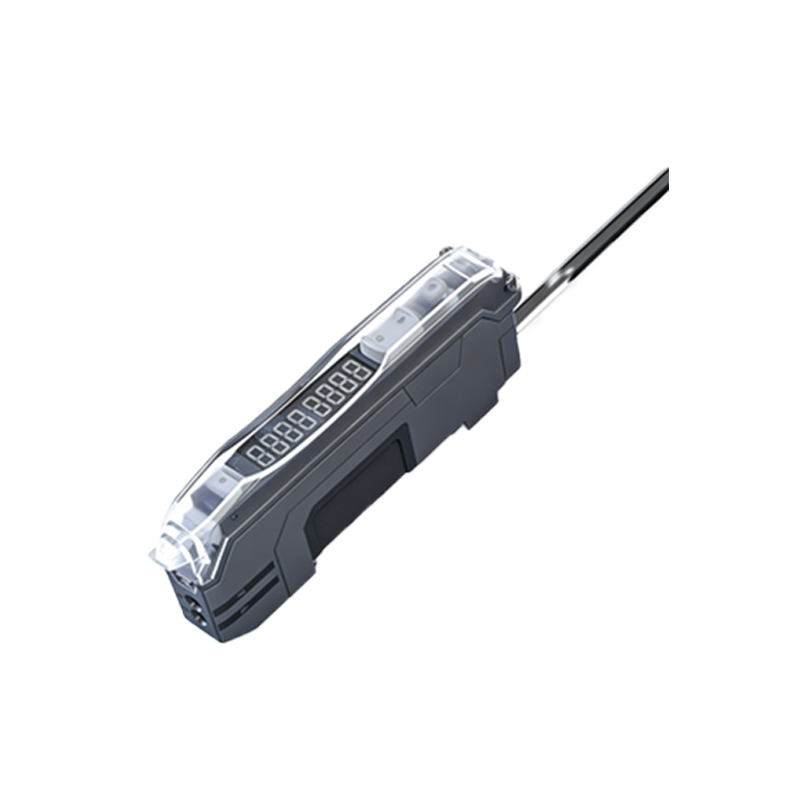
As of recent market analyses, the price of the E3FAT-P11 photoelectric sensor typically ranges from $50 to $150 per unit, depending on specifications and supplier channels. Standard models with basic features tend to fall on the lower end, while variants with extended sensing ranges, faster response times, or specialized certifications (e.g., for hazardous environments) command higher prices. Online marketplaces and industrial suppliers often list prices that vary by region, with North America and Europe seeing slightly higher averages due to logistics and regulatory compliance costs. In contrast, markets in Asia may offer more competitive pricing due to local manufacturing hubs. Over the past few years, prices have shown moderate stability, but occasional spikes occur due to component shortages or increased demand in sectors like automotive and packaging. Future trends suggest a gradual decline in prices as production scales up and newer models are introduced, though this may be offset by inflation and rising material costs.
Cost-Benefit Analysis for Industrial Applications
When assessing the E3FAT-P11's price, it's important to conduct a cost-benefit analysis tailored to specific industrial applications. The sensor's durability and low maintenance requirements can lead to long-term savings by reducing downtime and replacement frequency. For instance, in high-speed production lines, its accurate detection capabilities minimize errors and waste, enhancing overall efficiency. Engineers should compare the E3FAT-P11 with alternative sensors, considering factors like lifespan, compatibility with existing systems, and energy consumption. While initial investment might be higher for premium models, the return on investment often justifies the cost through improved operational reliability. Case studies from industries like food processing or automotive manufacturing show that selecting a sensor based solely on price can result in higher total cost of ownership if it fails prematurely or requires frequent calibration. Therefore, balancing upfront expenses with performance metrics is key to making an informed purchasing decision.
Tips for Sourcing and Negotiating Prices
To secure the best price for the E3FAT-P11 photoelectric sensor, professionals should adopt strategic sourcing practices. Start by researching multiple suppliers, including authorized distributors, online platforms, and direct manufacturers, to compare quotes and terms. Requesting samples for testing can ensure compatibility before bulk orders, avoiding costly mismatches. Negotiating based on volume discounts or long-term contracts can significantly lower per-unit costs, especially for large-scale projects. Additionally, staying informed about industry events or trade shows may reveal promotional offers or new product launches that affect pricing. It's also advisable to consider total cost factors, such as shipping, taxes, and potential import duties, which can add to the final expense. Building relationships with reliable suppliers can lead to better deals and timely support, ultimately contributing to smoother project execution and budget management.
Conclusion and Future Outlook
The E3FAT-P11 photoelectric sensor remains a valuable asset in industrial automation, with its price reflecting a blend of quality, features, and market dynamics. By understanding the factors that drive costs, engineers and buyers can make cost-effective choices that align with their operational needs. As technology evolves, innovations in sensor design and manufacturing may further influence pricing, potentially offering more advanced capabilities at competitive rates. Keeping abreast of market trends and supplier developments will help stakeholders navigate future purchases efficiently. In summary, while price is a critical consideration, it should be evaluated alongside performance, reliability, and total cost of ownership to ensure optimal outcomes in industrial settings.