Understanding Explosion-Proof Proximity Sensors
Explosion-proof proximity sensors are critical components in hazardous industrial environments where flammable gases, vapors, or combustible dusts are present. Unlike standard sensors, these devices are engineered with robust enclosures and specialized designs to contain any potential internal spark or explosion, preventing ignition of the surrounding atmosphere. They operate on the fundamental principle of detecting the presence or absence of an object without physical contact, typically using inductive, capacitive, or ultrasonic technologies. The key distinction lies in their certification and construction, which must comply with stringent international standards such as ATEX (Europe), IECEx (International), and NEC/CEC (North America) for use in classified zones like Zone 1, Zone 2, Zone 21, and Zone 22. Selecting the correct sensor involves a detailed analysis of the hazardous area classification, the required sensing distance, the material of the target object, and the environmental conditions like temperature and chemical exposure.
Key Criteria for Selecting a Supplier
Choosing a reliable supplier for explosion-proof proximity sensors is a decision that impacts operational safety, compliance, and long-term reliability. The primary criterion is the supplier's expertise and proven track record in manufacturing sensors with authentic, up-to-date certifications for the target market. A reputable supplier will provide clear documentation and certification numbers for their products. Secondly, assess their technical support and engineering capabilities. Can they assist with area classification, product selection, and integration challenges? Thirdly, evaluate the product range's breadth and depth. A strong supplier offers various sensing technologies, housing materials (stainless steel, brass, PBT), connection types (M12, M18, M30 connectors), and output configurations (PNP, NPN, analog, IO-Link). Finally, consider global supply chain stability, lead times, and the availability of local service and replacement parts to minimize downtime in critical operations.
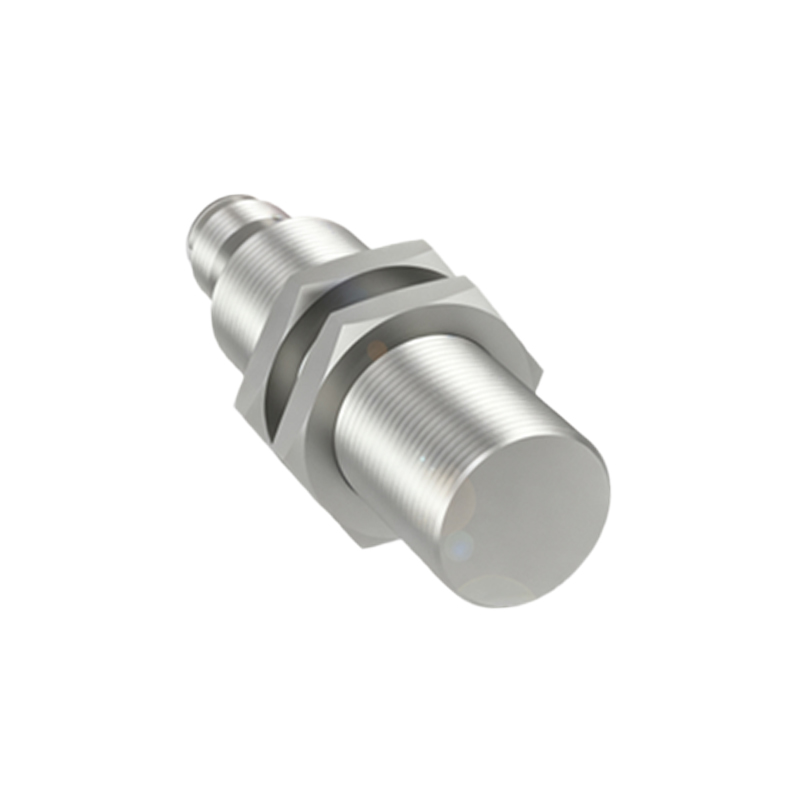
Leading Global Suppliers and Their Specializations
The market for explosion-proof proximity sensors is served by several established global players, each with distinct strengths. Companies like Pepperl+Fuchs and Siemens are pioneers with extensive portfolios covering nearly all hazardous area applications, known for their high-quality inductive sensors and comprehensive system solutions. Turck and Balluff excel in providing robust, versatile sensors with excellent resistance to harsh conditions, often featuring innovative designs like factor 1 sensors that simplify installation. For applications requiring extreme durability, suppliers like ifm electronic and SICK offer sensors with high protection ratings (IP67/IP69K) and advanced diagnostic functions. Eaton (through its Crouse-Hinds series) and Rockwell Automation (Allen-Bradley) are key players in the North American market, offering products deeply integrated with broader control and safety systems. Emerging specialists may focus on niche areas, such as ultra-miniature sensors for confined spaces or high-temperature variants.
Technological Innovations and Market Trends
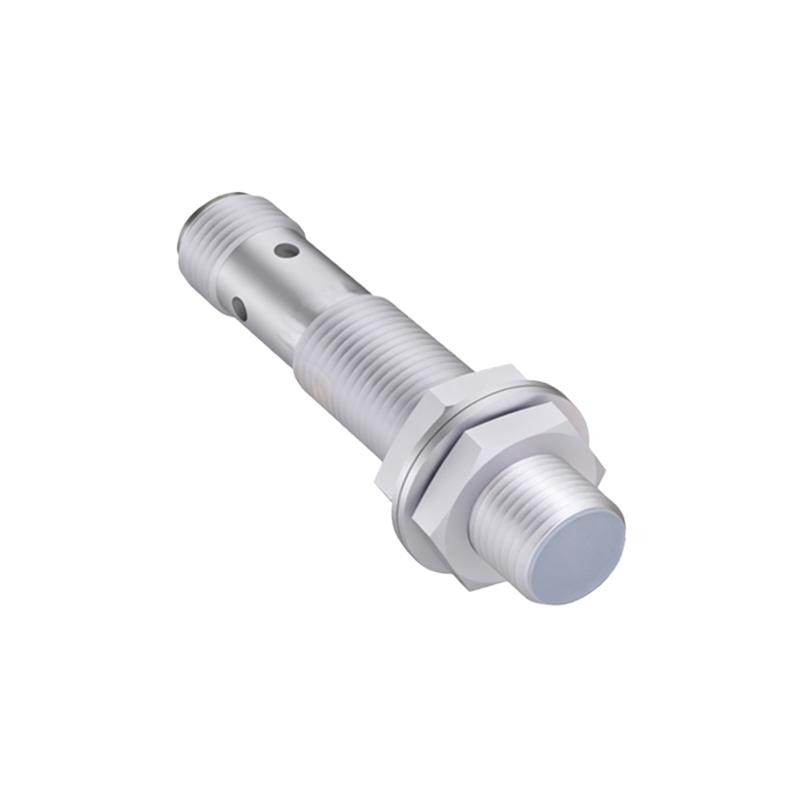
The landscape of explosion-proof sensing is continuously evolving, driven by Industry 4.0 and the demand for smarter, more connected factories. A significant trend is the integration of IO-Link communication into explosion-proof housings. This digital protocol allows for detailed parameter setting, remote monitoring of sensor health, and advanced diagnostics, enabling predictive maintenance and reducing unplanned shutdowns. Another innovation is the development of "Increased Safety 'e'" and "Intrinsic Safety 'i'" protection types in more compact form factors, providing greater design flexibility. Furthermore, suppliers are enhancing materials and coatings to improve resistance to aggressive chemicals, high-pressure washdowns, and mechanical impact. The use of laser welding for hermetic sealing and advanced potting compounds ensures long-term integrity in the most demanding environments, extending service life and improving total cost of ownership.
Ensuring Compliance and Safe Integration
Procuring sensors from a certified supplier is only the first step; ensuring proper installation and integration is paramount for maintaining the explosion-proof integrity. The supplier's role extends to providing clear installation guidelines. This includes specifying correct torque values for cable glands and enclosure lids, using approved barriers or isolators for intrinsically safe circuits, and ensuring proper grounding. The electrical installation must be performed according to the sensor's certification and the applicable national electrical code. It is crucial to remember that the entire loop—sensor, cable, and controller—must be considered as a system. Using non-certified cables or connections can void the certification and compromise safety. Regular maintenance, as per the supplier's instructions, including checks for corrosion, integrity of seals, and secure mounting, is essential for sustained safe operation in hazardous locations.