Introduction to Z3 Ear Proximity Sensor Technology
The Z3 Ear Proximity Sensor represents a significant advancement in non-contact detection within the electrical industry. Engineered for precision and reliability, this sensor utilizes infrared or capacitive sensing principles to detect the presence of an operator's ear or head near high-voltage equipment. Its primary function is to enhance safety by automatically triggering shutdowns or warnings when unsafe proximity is detected, thereby preventing accidental contact with live components. The sensor's design incorporates robust materials capable of withstanding harsh industrial environments, including extreme temperatures, electromagnetic interference, and moisture. As automation and smart systems become integral to electrical operations, the Z3 Ear Proximity Sensor stands out as a critical component for ensuring both human safety and operational continuity.
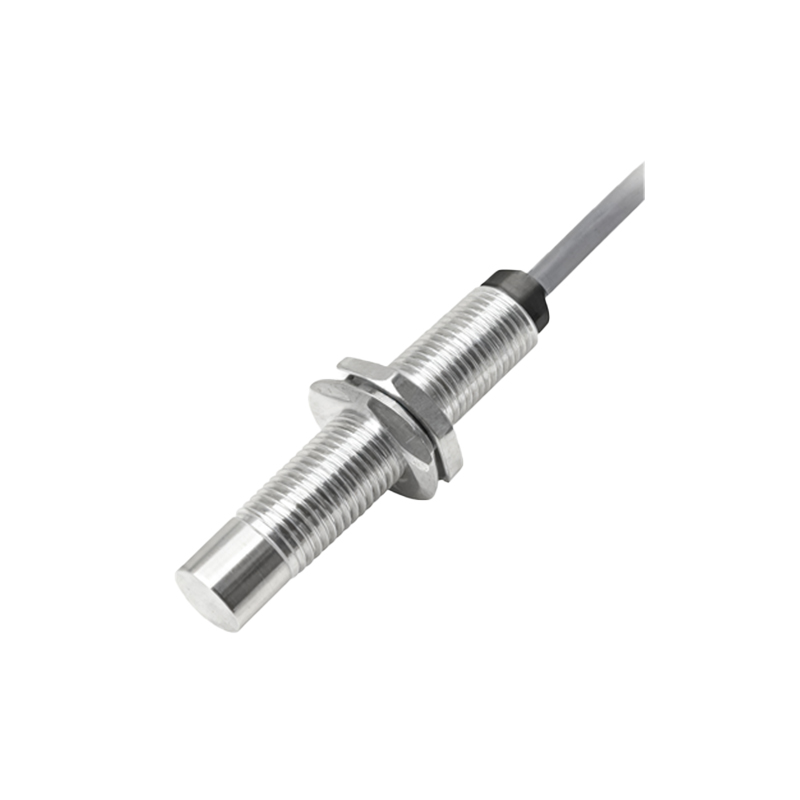
Core Working Principles and Technical Specifications
Operating on advanced sensing mechanisms, the Z3 Ear Proximity Sensor emits a low-energy beam or field to monitor the surrounding area. When an object, such as a person's ear, enters the predefined detection zone, the sensor detects changes in the reflected signal or capacitance, sending an immediate output signal to the control system. Key technical specifications include a detection range of up to 30 centimeters, a response time of less than 10 milliseconds, and an operating voltage range of 12-24V DC. It features high immunity to ambient light and noise, ensuring accurate performance in varied lighting conditions. Additionally, the sensor is equipped with adjustable sensitivity settings, allowing customization for specific application needs, from machinery guarding to automated assembly lines in electrical manufacturing.
Applications in Electrical Safety and Automation
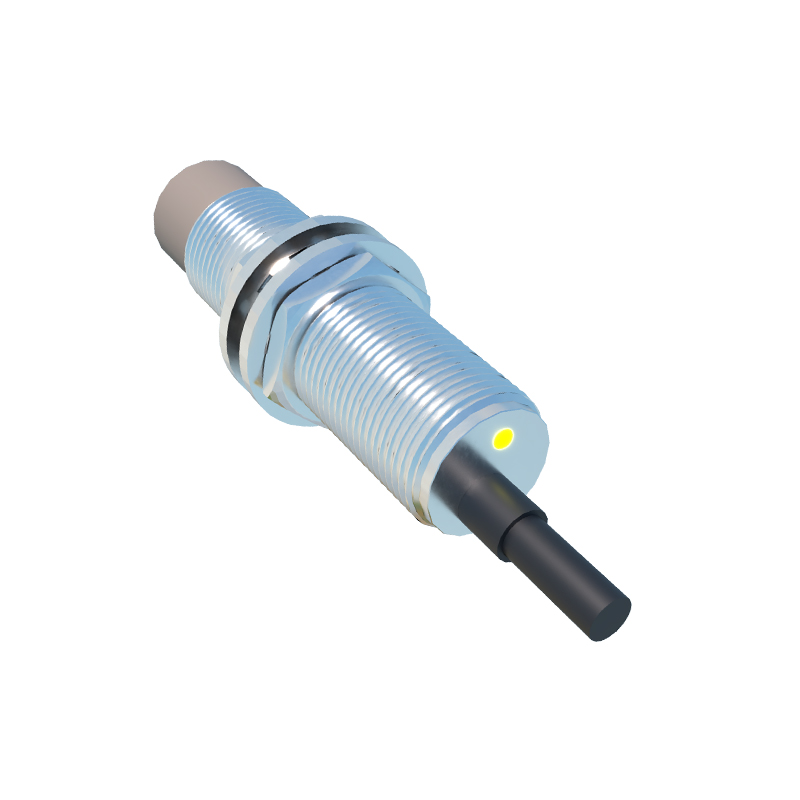
In the realm of electrical safety, the Z3 Ear Proximity Sensor is deployed across multiple scenarios to mitigate risks. It is commonly integrated into switchgear, control panels, and transformer units to prevent unauthorized or accidental access. For instance, in power distribution centers, the sensor can halt operations if a worker's head approaches hazardous zones, reducing the likelihood of electrical shocks or arc flash incidents. Beyond safety, it enhances automation by enabling touchless control systems; in smart factories, the sensor can initiate machine cycles or adjust settings based on operator proximity, streamlining workflows and boosting productivity. Its versatility also extends to renewable energy installations, such as solar farms and wind turbines, where it aids in remote monitoring and maintenance safety.
Installation and Integration Guidelines
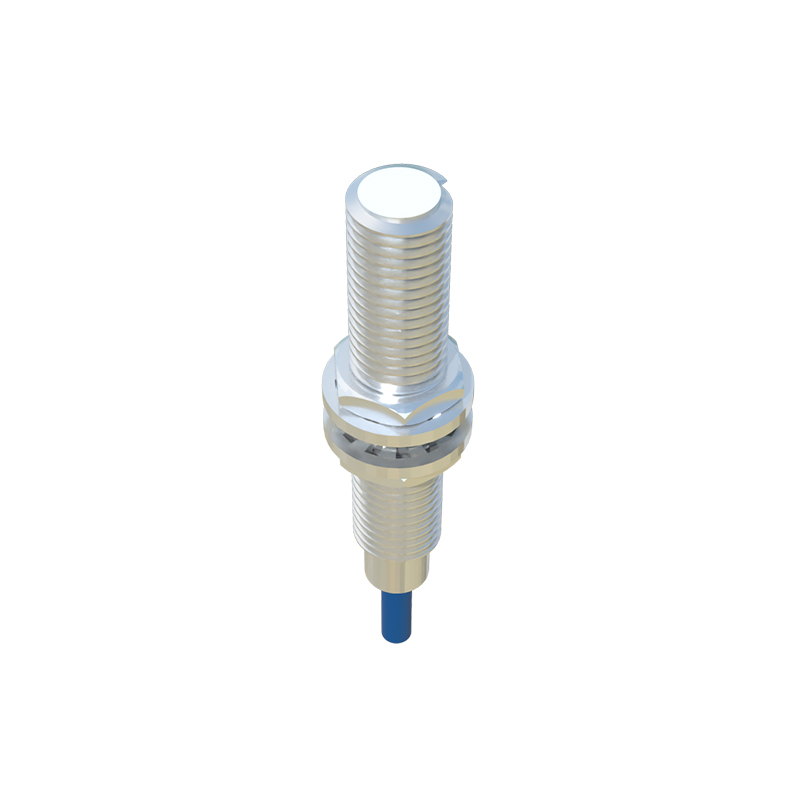
Proper installation is crucial for the optimal performance of the Z3 Ear Proximity Sensor. It should be mounted in a location that provides an unobstructed view of the detection area, typically at a height aligned with the operator's ear level in standing or seated positions. Wiring must adhere to industry standards, with shielded cables recommended to minimize signal interference. Integration with programmable logic controllers (PLCs) or supervisory control and data acquisition (SCADA) systems involves configuring the sensor's output signals—often as a digital switch—to align with safety protocols. Regular calibration and testing are advised to maintain accuracy, especially in dynamic environments where sensor alignment might shift due to vibration or thermal expansion.
Benefits Over Traditional Safety Systems
Compared to conventional safety measures like physical barriers or manual switches, the Z3 Ear Proximity Sensor offers distinct advantages. Its non-contact nature eliminates wear and tear, leading to lower maintenance costs and longer service life. The sensor provides real-time, continuous monitoring without impeding operational efficiency, unlike mechanical guards that may require downtime for adjustments. Moreover, it supports predictive maintenance by logging proximity data, helping identify patterns that could indicate potential hazards or equipment malfunctions. From an economic perspective, the sensor reduces liability risks and insurance premiums by enhancing workplace safety, making it a cost-effective investment for electrical enterprises aiming to comply with stringent regulations such as OSHA or IEC standards.
Future Trends and Industry Outlook
The evolution of the Z3 Ear Proximity Sensor is closely tied to advancements in the Internet of Things (IoT) and artificial intelligence (AI). Future iterations are expected to incorporate wireless connectivity for easier deployment in expansive electrical grids, along with AI algorithms for smarter anomaly detection—such as distinguishing between human presence and other objects. As industries move toward fully autonomous systems, these sensors will play a pivotal role in human-machine collaboration, ensuring safe interactions in increasingly complex environments. Market trends indicate growing adoption in emerging sectors like electric vehicle charging stations and smart grid infrastructure, driven by global emphasis on safety and energy efficiency. Continuous innovation in miniaturization and power efficiency will further expand its applicability, solidifying its status as an indispensable tool in modern electrical engineering.