Introduction to Photoelectric Sensing Technology
Photoelectric sensors are fundamental components in modern industrial automation, utilizing light beams to detect the presence, absence, or distance of objects. These sensors operate by emitting a light source, typically from an LED or laser diode, and then measuring the properties of the light received by a photodetector. The core principle involves changes in the received light intensity, beam interruption, or time-of-flight calculations. Common types include through-beam, retro-reflective, and diffuse reflective sensors, each suited for specific applications based on required sensing range, environmental conditions, and target object properties. Their non-contact nature ensures minimal wear and tear, making them ideal for high-speed counting, positioning, and inspection tasks in manufacturing and packaging lines.
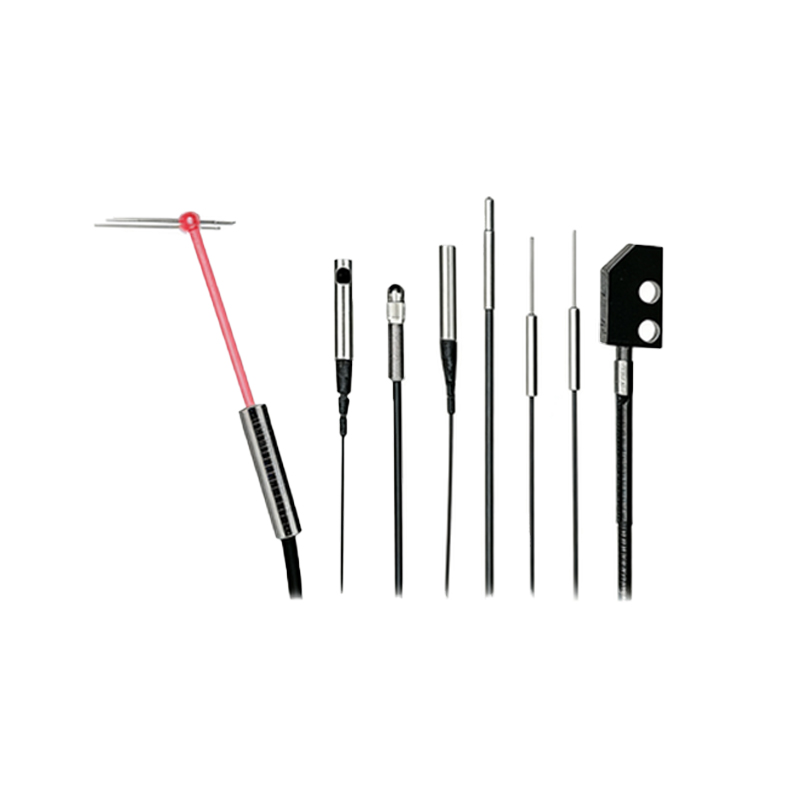
Deep Dive into Fiber Optic Sensor Operation
Fiber optic sensors represent a specialized subset of photoelectric sensors, where light is transmitted through flexible optical fibers made of glass or plastic. These sensors separate the electronic amplifier unit from the sensing head, which consists of the fiber optic cables. This architecture provides exceptional advantages in challenging environments. The sensing head can be installed in extremely confined spaces, areas with high temperatures, or locations with strong electromagnetic interference (EMI) where traditional sensors would fail. Fiber optic sensors are highly resistant to vibration, corrosion, and electrical noise. They are commonly configured as through-beam or diffuse reflective types and are indispensable in electronics assembly, semiconductor fabrication, and applications involving small or highly precise targets.
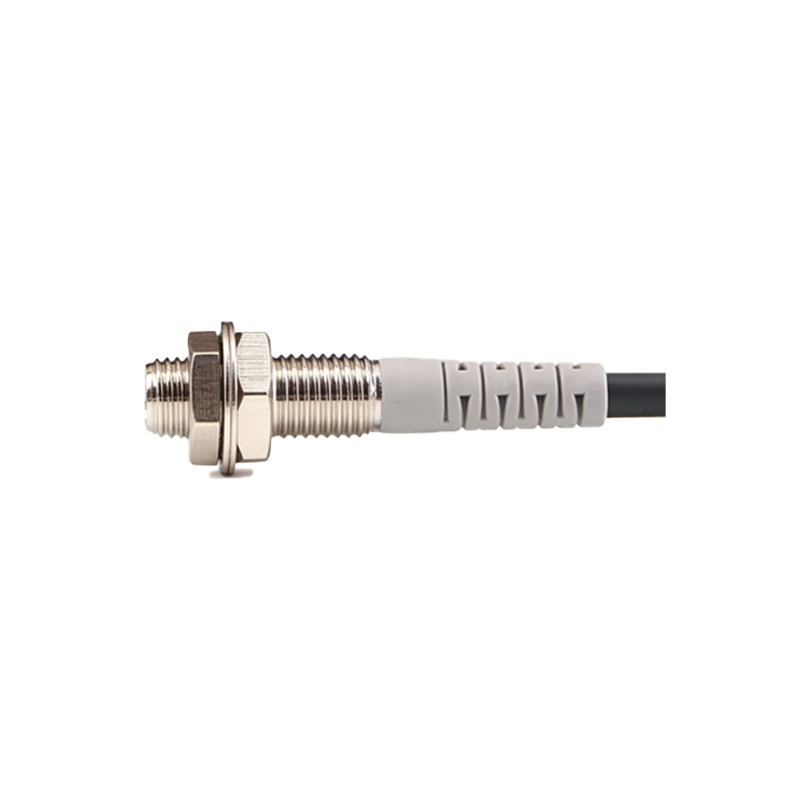
The Precision of Laser-Based Sensing
Laser sensors employ a highly focused, coherent laser beam as their light source, enabling unparalleled precision and long-range detection capabilities. Compared to standard LED-based photoelectric sensors, laser sensors produce a very small, intense spot of light. This allows for the detection of minute objects, precise edge detection, and accurate distance measurement using triangulation or time-of-flight principles. Laser displacement sensors, for instance, can measure minute changes in position or thickness with micrometer-level accuracy. Their coherent light is less susceptible to ambient light interference, providing stable performance. Key applications include precision gauging, profile monitoring, robot guidance, and quality control inspections where extreme accuracy is non-negotiable.
Comparative Analysis and Selection Criteria
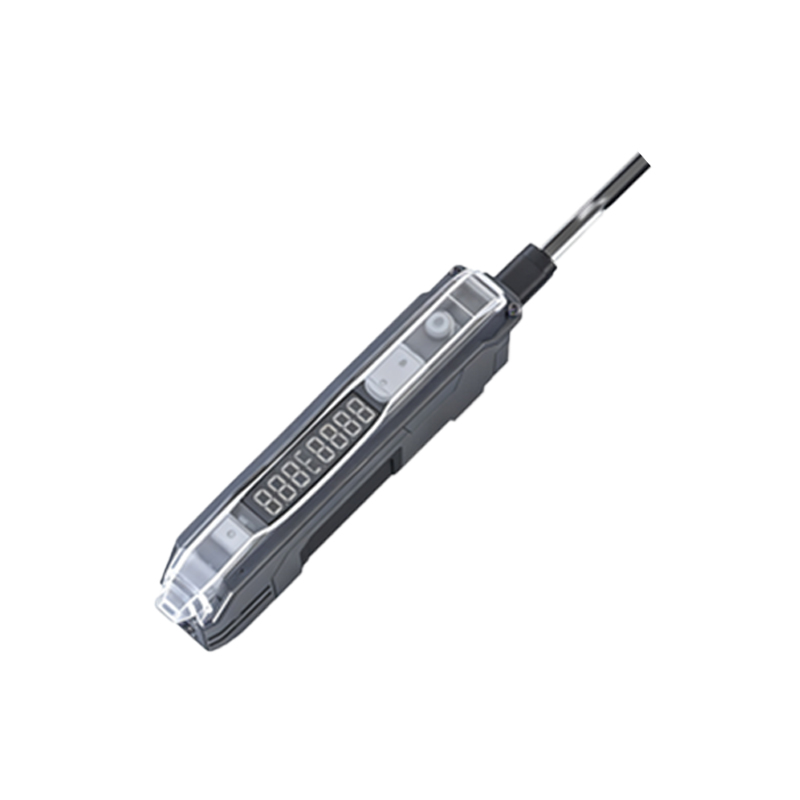
Selecting the appropriate sensor technology requires a careful analysis of the application's demands. Photoelectric sensors with LEDs offer a cost-effective, general-purpose solution for most standard detection tasks at short to medium ranges. Fiber optic sensors are the premier choice when the installation space is minimal, or the environment is hostile to electronics—their small sensing heads and immunity to EMI are critical benefits. Laser sensors are selected when the application demands high precision, long sensing distances, or the detection of very small objects. Factors such as sensing distance, required spot size, target material and color, ambient conditions (dust, fog, light), response speed, and budget must all be evaluated to make an optimal selection.
Innovations and Future Trends in Optical Sensing
The field of optical sensing continues to evolve rapidly, driven by advancements in materials, miniaturization, and digital intelligence. Modern sensors now integrate advanced functionalities like background suppression, precise teach-in capabilities via push-buttons or IO-Link, and enhanced resistance to harsh washing processes. The integration of Industrial Internet of Things (IIoT) capabilities allows sensors to communicate detailed diagnostic and process data for predictive maintenance and optimized machine performance. Future trends point toward smarter, more compact sensors with embedded processing power, the use of new light wavelengths for specific materials, and hybrid systems that combine photoelectric sensing with other technologies like vision systems for comprehensive inspection solutions.
Critical Application Considerations and Best Practices
Successful implementation of these sensors hinges on proper installation and configuration. For all types, ensuring a stable mounting to avoid misalignment is crucial. Lens cleanliness must be maintained, as contamination can scatter or block the light beam, causing false triggers. For photoelectric and laser sensors, the color and surface finish of the target object significantly affect performance; glossy surfaces may reflect beams away from the receiver, while dark, matte surfaces absorb light. Using sensors with adjustable sensitivity or background suppression can mitigate these issues. For fiber optic sensors, careful handling of the cables is necessary to prevent sharp bends that can break fibers or attenuate the light signal. Always consult the manufacturer's datasheet for specific environmental ratings, sensing curves, and alignment procedures.