Introduction to Proximity Sensors
Proximity sensors are a fundamental component in modern industrial automation and electrical engineering. These devices detect the presence or absence of an object within a specified range without any physical contact. This non-contact operation is their defining characteristic, leading to high reliability, long operational life, and minimal maintenance. They are indispensable in applications ranging from assembly line object detection and position sensing to safety systems and mobile device touchscreens. The core principle involves emitting a field or beam and monitoring changes in the field or the return signal. The choice of sensor type depends heavily on the target material, required sensing distance, environmental conditions, and response speed.
Inductive Proximity Sensors
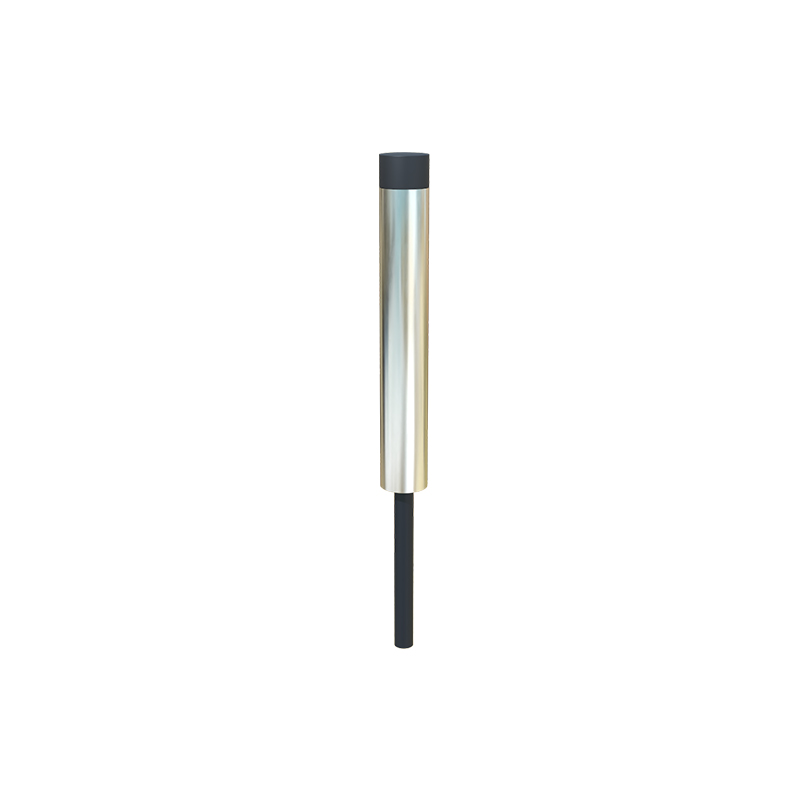
Inductive proximity sensors are specifically designed to detect metallic objects, primarily ferrous metals like iron and steel. Their operation is based on the principle of electromagnetic induction. The sensor generates an oscillating electromagnetic field from its active face. When a conductive metal object enters this field, eddy currents are induced on the surface of the object. These eddy currents cause a load on the oscillator within the sensor, leading to a change in the oscillation amplitude. This change is detected by the sensor's circuitry, which then triggers a solid-state output switch. Key advantages include high switching frequency, robustness in harsh industrial environments (resistant to dust, dirt, and moisture), and insensitivity to non-metallic materials. They are commonly used for position sensing of machine parts, counting metal objects, and as end-of-travel limit switches.
Capacitive Proximity Sensors
Capacitive proximity sensors can detect both metallic and non-metallic materials, including liquids, powders, plastics, and wood. They function by measuring changes in capacitance. The sensor face acts as one plate of a capacitor, with the target object acting as the other plate. An oscillator circuit creates an electrostatic field around the active face. When any material with a dielectric constant different from air enters this field, it alters the capacitance of the system. This change in capacitance increases the oscillation amplitude, which is processed to activate the output. These sensors are ideal for applications like liquid level detection in tanks, material presence sensing on conveyor belts (for paper, glass, or grains), and touch-sensitive controls. They can be sensitive to environmental factors like humidity and require careful calibration.
Ultrasonic Proximity Sensors
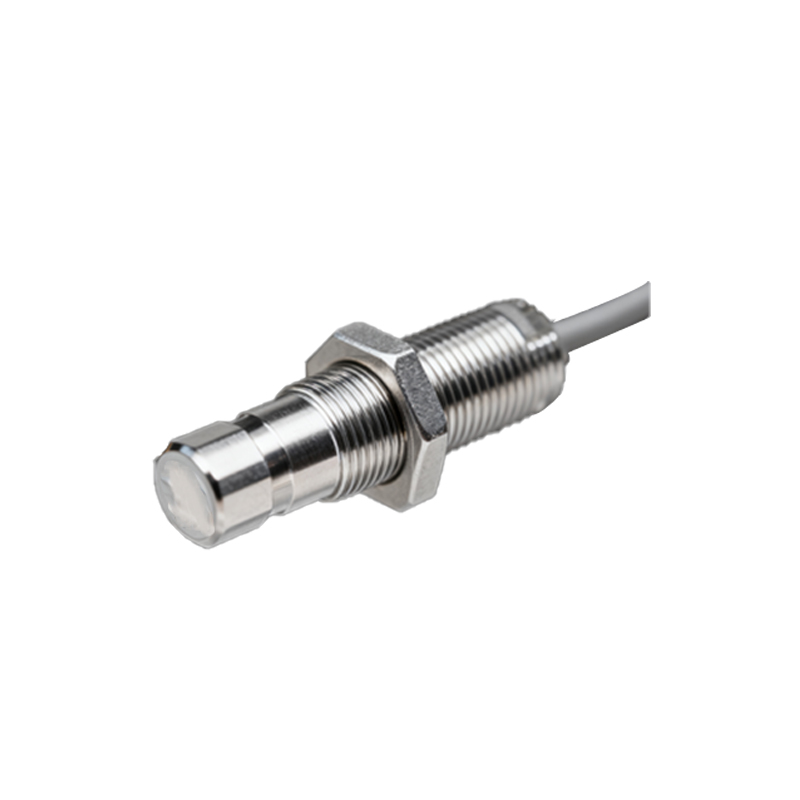
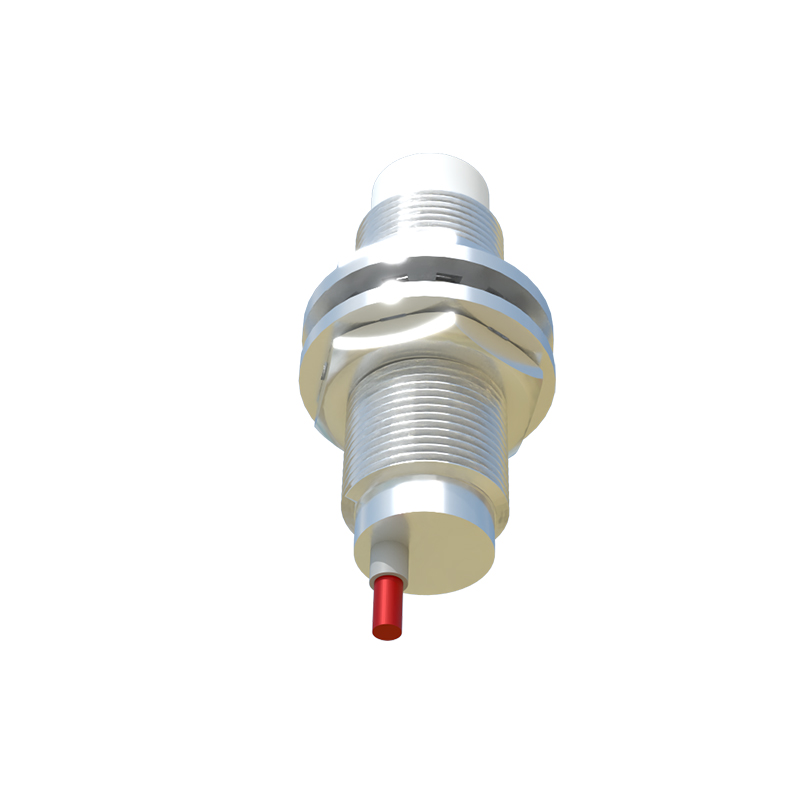
Ultrasonic sensors operate by emitting high-frequency sound waves (typically beyond human hearing) and evaluating the reflected echo. They measure the time interval between sending the signal and receiving the echo to calculate the distance to the target object. This principle, known as time-of-flight, allows them to detect objects of virtually any material, as long as the material reflects sound. They are excellent for long-range detection (up to several meters), precise distance measurement, and detecting transparent or shiny objects that may challenge optical sensors. Common applications include pallet detection in warehouses, fill level control in silos, and collision avoidance in automated guided vehicles (AGVs). Performance can be affected by temperature variations, air turbulence, and highly absorbent materials like foam.
Photoelectric Proximity Sensors
Photoelectric sensors use light beams to detect objects. They consist of a light emitter (usually an LED producing visible red, infrared, or laser light) and a receiver. They are categorized into three main types based on their operational mode. The through-beam type has separate emitter and receiver units; an object is detected when it interrupts the light beam. The retro-reflective type uses a single unit and a reflector; detection occurs when the beam is blocked from returning to the receiver. The diffuse reflective type (or proximity mode) has the emitter and receiver in one housing and detects light reflected directly off the target object. Photoelectric sensors offer very long sensing ranges, fast response times, and high precision. They are used for detecting small parts, transparent bottles, and in packaging machinery. They can be susceptible to ambient light interference and require a clean lens.
Magnetic Proximity Sensors (Reed Switches)
Magnetic proximity sensors, often implemented as reed switches or Hall-effect sensors, detect the presence of a permanent magnet. A reed switch contains two ferromagnetic reeds sealed in a glass tube filled with inert gas. When a magnetic field of sufficient strength is applied, the reeds attract each other and make contact, closing the circuit. Hall-effect sensors produce a voltage output proportional to the magnetic field strength. These sensors are characterized by their simplicity, low power consumption, and ability to operate in sealed environments. They are widely used as door/window position sensors in security systems, as limit switches in pneumatic cylinders (where a magnet is embedded in the piston), and in low-speed rotational sensing. Their primary