Introduction to Photoelectric Counting Sensors
In the realm of industrial automation, particularly within coil winding and transformer manufacturing, precision and reliability are non-negotiable. The "元宝机," or coil winding machine, is a cornerstone of this sector, producing the essential inductive components found in countless electrical devices. A critical component ensuring the accuracy and efficiency of these machines is the photoelectric sensor used for counting wire turns or material passes. These sensors provide the essential feedback loop that dictates the machine's operation, ensuring each coil is wound to exact specifications. Unlike mechanical counters, photoelectric sensors offer non-contact detection, eliminating wear and tear and enabling high-speed operation. Their role is fundamental in maintaining product quality, minimizing waste, and optimizing production throughput in high-volume manufacturing environments.
Operating Principle and Core Technology
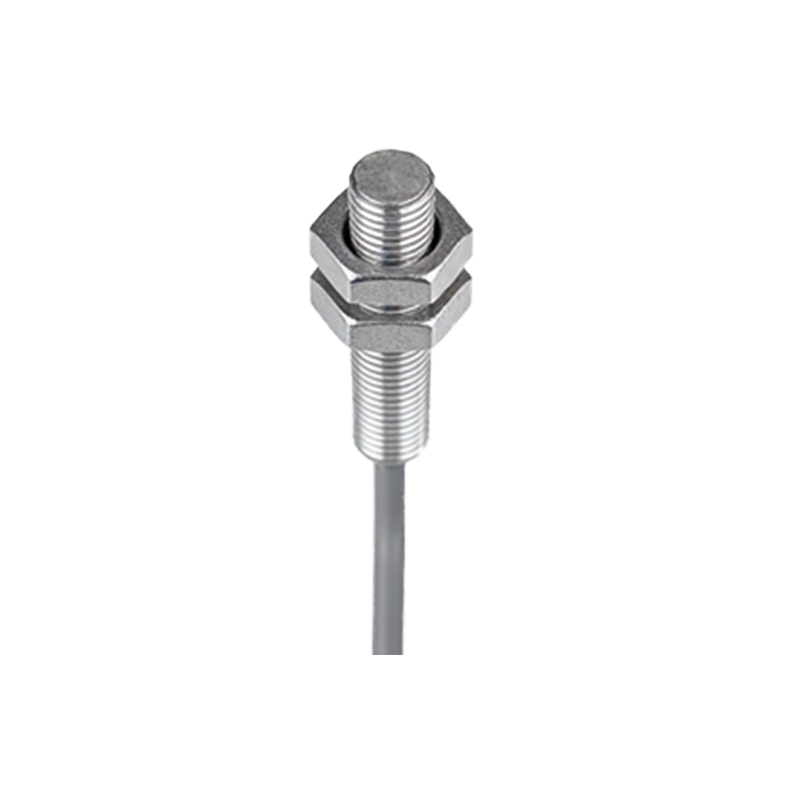
The fundamental operation of a photoelectric counting sensor is based on the modulation of light. The sensor system typically consists of two main components: an emitter and a receiver. The emitter projects a beam of light—often infrared, red LED, or laser—towards the receiver. When an object, such as a wire or a marker on a rotating shaft, passes through this beam, it interrupts the light path. The receiver detects this interruption and converts it into an electrical signal. This signal is then processed by the sensor's internal circuitry or an external controller (PLC) to register a count. Advanced models utilize modulated light signals to distinguish the sensor's beam from ambient factory lighting, ensuring immunity to optical interference. This robust principle allows for the detection of extremely small or fast-moving objects with remarkable consistency.
Key Sensor Types and Configurations
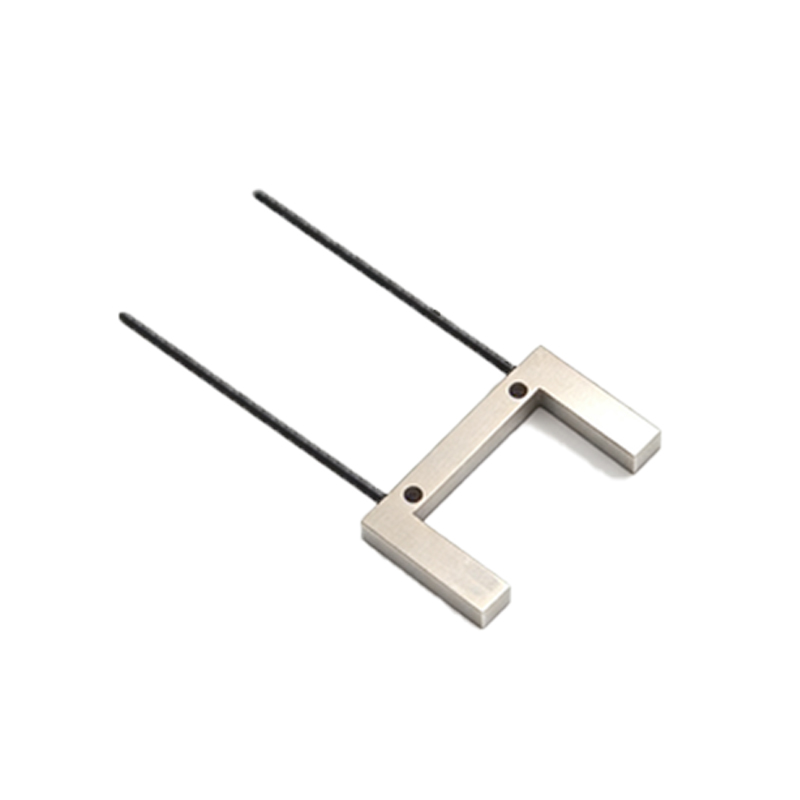
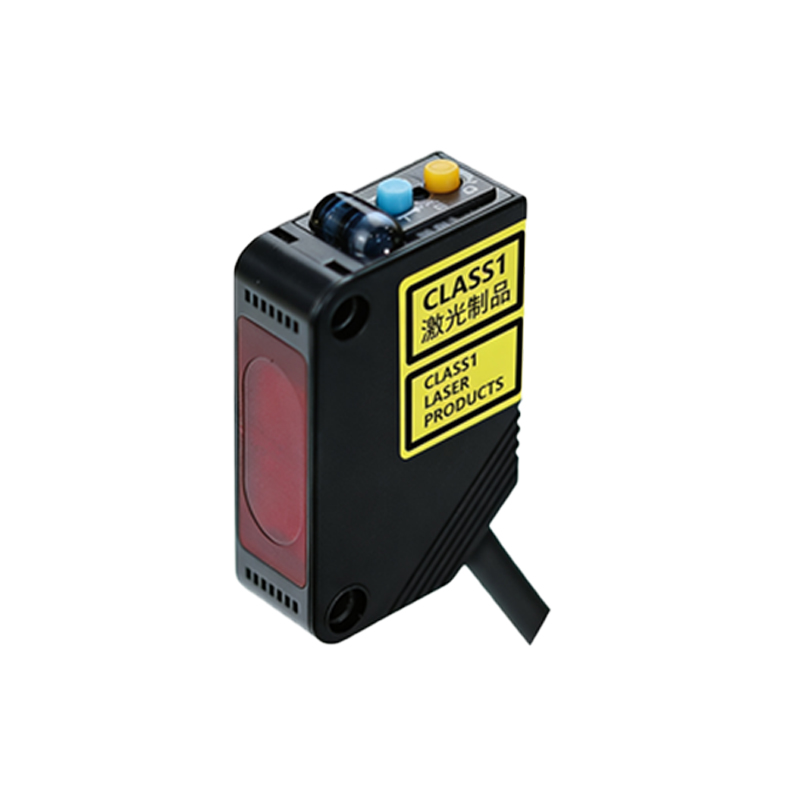
Several photoelectric sensor configurations are employed in coil winding applications, each suited to specific mechanical and spatial constraints. The through-beam (or opposed) type, with separate emitter and receiver units, offers the longest sensing range and highest reliability, ideal for counting thin wires or in environments with potential contamination. The retro-reflective type uses a single unit and a reflector, simplifying installation where mounting space on both sides of the target is limited. Diffuse (proximity) sensors detect the reflection of light from the target itself and are used when only one side of the machine is accessible. For precise angular position counting on a rotating shaft, a rotary encoder with a slotted disk and a photoelectric interrupter sensor is often the preferred solution, providing direct digital feedback on rotational speed and position.
Critical Selection Criteria for Engineers
Selecting the appropriate photoelectric sensor for a coil winding machine requires careful analysis of several technical parameters. Sensing range and spot size must be matched to the target's size and the required mounting distance. Response time is paramount; it must be fast enough to accurately count at the machine's maximum operational speed without missing pulses. The environment is a major consideration: sensors must be rated for the presence of oil, coolant mist, or airborne particulates common in industrial settings, often requiring IP67 or higher ingress protection. Electrical output type (NPN/PNP, relay, analog) must be compatible with the machine's control system. Finally, mechanical robustness, vibration resistance, and long-term stability are essential for minimizing downtime in continuous operation.
Integration and Signal Processing
Successful integration goes beyond simply mounting the sensor. Proper alignment of through-beam or retro-reflective sensors is critical for optimal performance. The sensor's output signal, typically a transistor switch, is fed into a programmable logic controller (PLC) or a dedicated counter module. Here, sophisticated logic can be applied. For instance, the PLC can be programmed to count a predetermined number of turns and then trigger the machine to cut the wire, change winding direction, or index to the next slot. Debounce filtering is often applied in software to eliminate false counts caused by mechanical vibration or electrical noise. For high-speed applications, fast-response PLC input cards or high-frequency counters are necessary to handle the rapid pulse train from the sensor.
Common Challenges and Troubleshooting
Despite their reliability, photoelectric sensors can face operational challenges. Accumulation of dust, oil, or wire insulation debris on the lens can attenuate the light beam, leading to missed counts. Regular cleaning schedules are a simple but effective preventive measure. Misalignment due to machine vibration or thermal expansion can cause intermittent faults. Secure mounting brackets and periodic alignment checks are recommended. Electrical interference from motor drives or welding equipment can induce noise on signal lines; using shielded cables and proper grounding practices is crucial. If a sensor fails, a systematic approach—checking power supply, verifying beam alignment, and monitoring the output signal with a multimeter or oscilloscope—will quickly isolate the issue.
Future Trends and Advancements
The evolution of photoelectric sensors continues to enhance their application in coil winding. The integration of IO-Link communication is a significant trend, transforming simple sensors into smart devices. IO-Link allows for remote configuration, real-time monitoring of operating parameters (like lens contamination levels), and predictive maintenance alerts, reducing unplanned downtime. Miniaturization of sensor heads enables installation in increasingly compact machine designs. Furthermore, sensors with background suppression technology are becoming more prevalent, allowing them to reliably detect targets regardless of color or reflectivity, and ignore objects beyond a set distance. These advancements promise even greater precision, diagnostic capability, and integration ease for the next generation of automated winding equipment.