Understanding Photoelectric Sensor Separation
Photoelectric sensors are widely used in industrial automation for detecting the presence, absence, or distance of objects without physical contact. Separation of these sensors refers to the process of isolating them from their mounting fixtures, wiring, or adjacent components for maintenance, replacement, or system reconfiguration. Proper separation techniques are crucial to prevent damage to sensitive optical components, ensure electrical safety, and maintain calibration accuracy. In high-volume production environments, efficient sensor separation can minimize downtime and reduce operational costs. This article outlines systematic methods for separating photoelectric sensors, covering mechanical disassembly, electrical disconnection, and environmental considerations.
Mechanical Disassembly Procedures
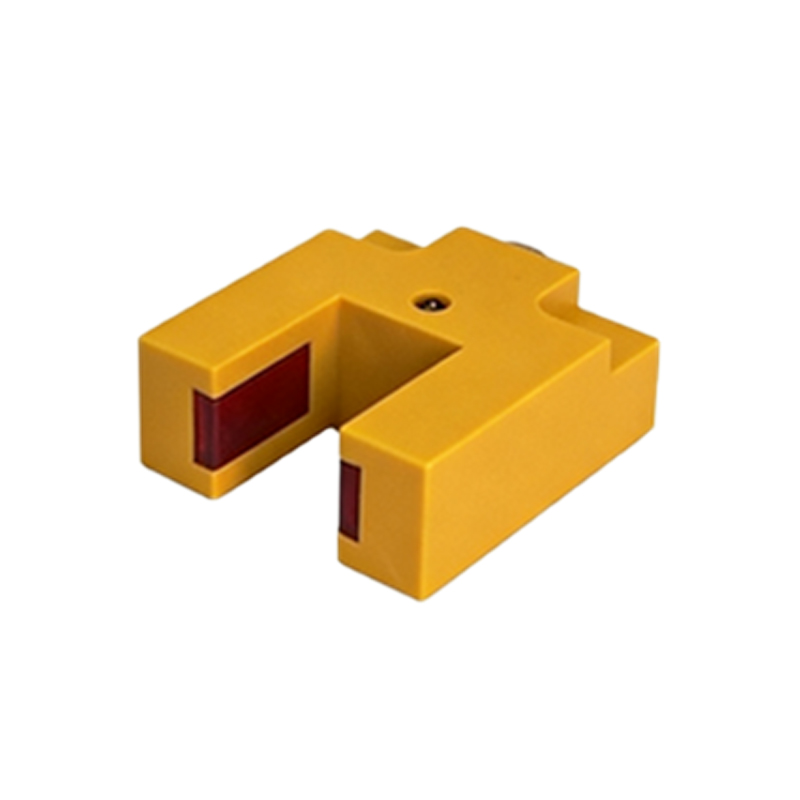
The first step in separating a photoelectric sensor involves mechanical disassembly. Begin by powering down the equipment and locking out energy sources to ensure safety. Most sensors are mounted using brackets, threaded housings, or adhesive bases. For bracket-mounted sensors, loosen the fastening screws or bolts with appropriate tools, taking care not to apply excessive force that could deform the housing. Threaded sensors typically require counterclockwise rotation; using a strap wrench can prevent slippage and avoid scratching the lens. Adhesive-mounted sensors may need gentle prying with a plastic tool to avoid damaging the surface. Document the orientation and position of the sensor before removal to facilitate reinstallation. Clean the mounting area to remove debris that could interfere with future alignment.

Electrical Disconnection Guidelines
After mechanical separation, electrical disconnection must be handled meticulously. Photoelectric sensors are connected via cables, connectors, or terminal blocks. Identify the wiring diagram—often printed on the sensor label—to distinguish power, output, and ground wires. For quick-disconnect connectors, depress the locking tab and pull straight out to avoid bending pins. For hardwired sensors, use a screwdriver to loosen terminal screws, then carefully extract each wire. Label wires with tape or markers corresponding to their functions to prevent errors during reassembly. Inspect cables for wear, corrosion, or fraying; replace damaged sections promptly. If the sensor uses an integrated cable gland, unscrew it while supporting the cable to prevent strain on internal connections. Always verify that all circuits are de-energized with a multimeter before proceeding.
Optical Component Protection
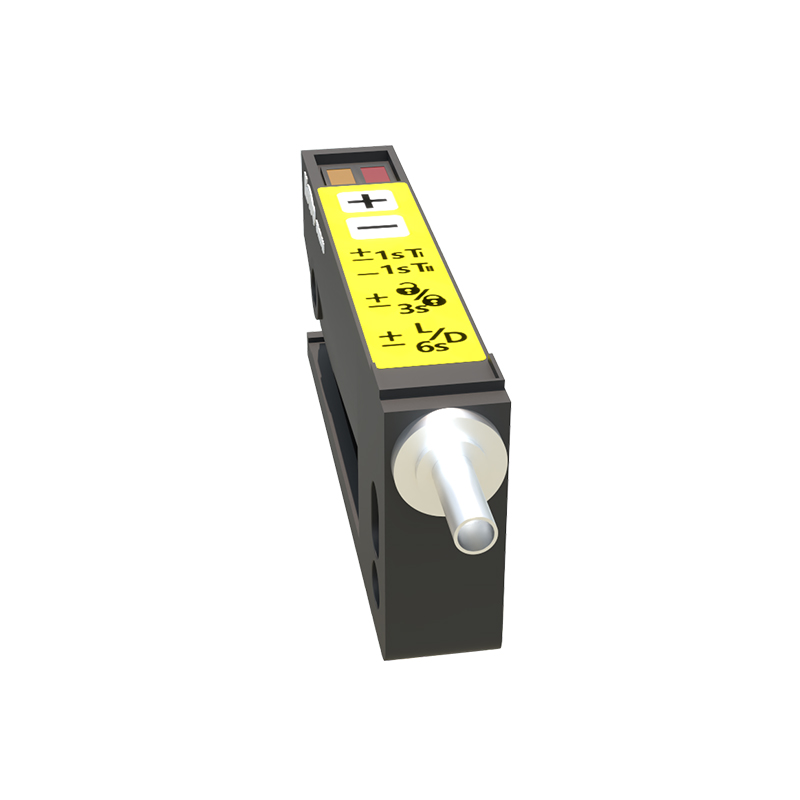
Protecting optical elements during separation is critical for sensor longevity. Photoelectric sensors rely on lenses, emitters, and receivers that are vulnerable to dust, moisture, and physical impact. Before disassembly, cover the lens with a clean, lint-free cloth or cap to prevent contamination. Avoid touching optical surfaces with bare hands, as oils can degrade performance. When separating sensors from dirty or humid environments, consider using compressed air or a soft brush to remove particulates from the housing. Store separated sensors in anti-static bags or protective cases to shield them from static discharge and environmental hazards. For sensors with adjustable sensitivity or alignment screws, record their settings or mark positions with a non-permanent marker to preserve calibration.
Environmental and Safety Considerations
Industrial settings pose unique challenges for sensor separation. In hazardous areas with explosive atmospheres, follow intrinsic safety protocols and use certified tools to prevent sparks. For high-temperature applications, allow sensors to cool before handling to avoid burns or thermal shock. In washdown environments, ensure O-rings or seals are intact and replace them if compromised during separation. Always wear personal protective equipment, such as safety glasses and gloves, to guard against sharp edges or electrical hazards. Adhere to local regulations and manufacturer guidelines for disposing of old sensors, especially those containing hazardous materials like lead or mercury. Implementing a standardized separation checklist can enhance consistency and safety across maintenance teams.
Reassembly and Testing Post-Separation
After separation, reassembly requires precision to restore sensor functionality. Reverse the disconnection steps: first, reconnect electrical wiring according to labels, ensuring tight terminal connections and proper polarity. Remount the sensor mechanically, aligning it precisely as documented earlier. For adjustable sensors, use alignment tools or manufacturer-recommended procedures to optimize beam targeting. Once installed, power up the system gradually and monitor for fault indicators. Perform functional tests by introducing target objects within the sensing range and verifying output signals with an oscilloscope or PLC monitor. Calibrate sensitivity settings if necessary, and document any adjustments in maintenance logs. Regular post-separation testing ensures reliability and prevents operational disruptions.
Best Practices for Efficient Sensor Management
To streamline separation processes, adopt proactive management strategies. Maintain an inventory of sensor models, datasheets, and separation tools specific to each type. Train personnel on standardized procedures through hands-on workshops and reference manuals. Utilize sensor mounting accessories designed for easy separation, such as quick-release brackets or modular connectors. Implement predictive maintenance schedules to separate and inspect sensors before failures occur, reducing unplanned downtime. Collaborate with manufacturers for updates on separation techniques or product recalls. By integrating these practices, industries can enhance sensor lifespan, improve system uptime, and support sustainable automation workflows.