Understanding Proximity Sensors in Modern Industry
Proximity sensors are indispensable components in industrial automation, providing non-contact detection of objects. These devices enhance efficiency, safety, and precision in manufacturing lines, robotics, and automotive assembly. High-quality sensors offer reliability in harsh environments, resisting dust, moisture, and electromagnetic interference. As industries embrace Industry 4.0, the demand for advanced proximity sensing technology continues to grow, making the choice of manufacturer critical for operational success.
Key Criteria for Selecting a Proximity Sensor Supplier
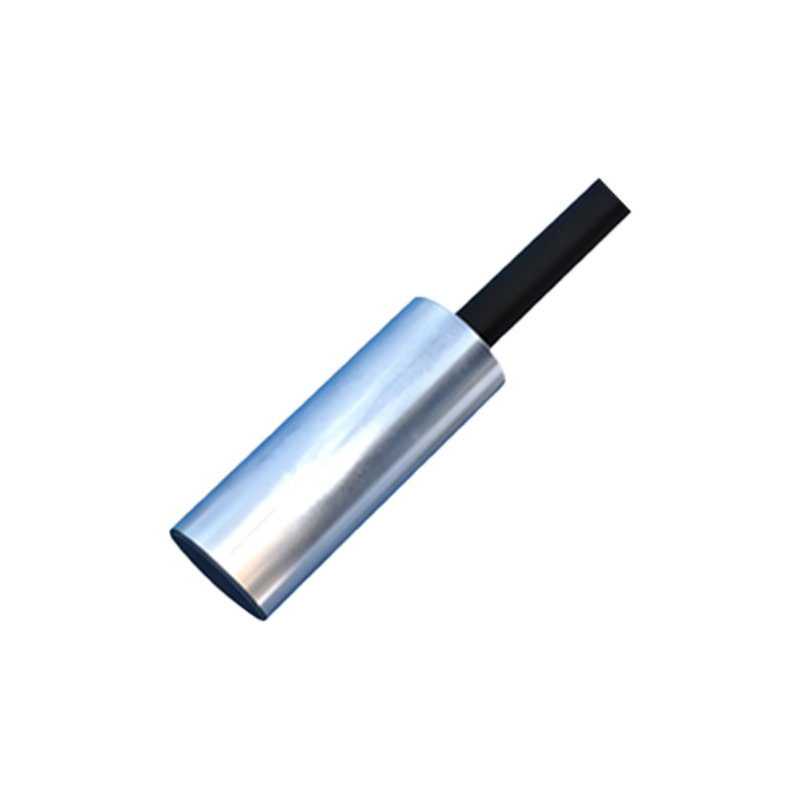
Selecting the right manufacturer involves evaluating several factors. Product durability and longevity are paramount, as sensors must withstand continuous operation. Technical support and customization capabilities ensure solutions fit specific application needs. Compliance with international standards, such as IEC and UL certifications, guarantees safety and performance. Additionally, a supplier's innovation track record in developing inductive, capacitive, and ultrasonic sensors reflects their commitment to industry advancement.
Leading Global Manufacturers in the Proximity Sensor Market
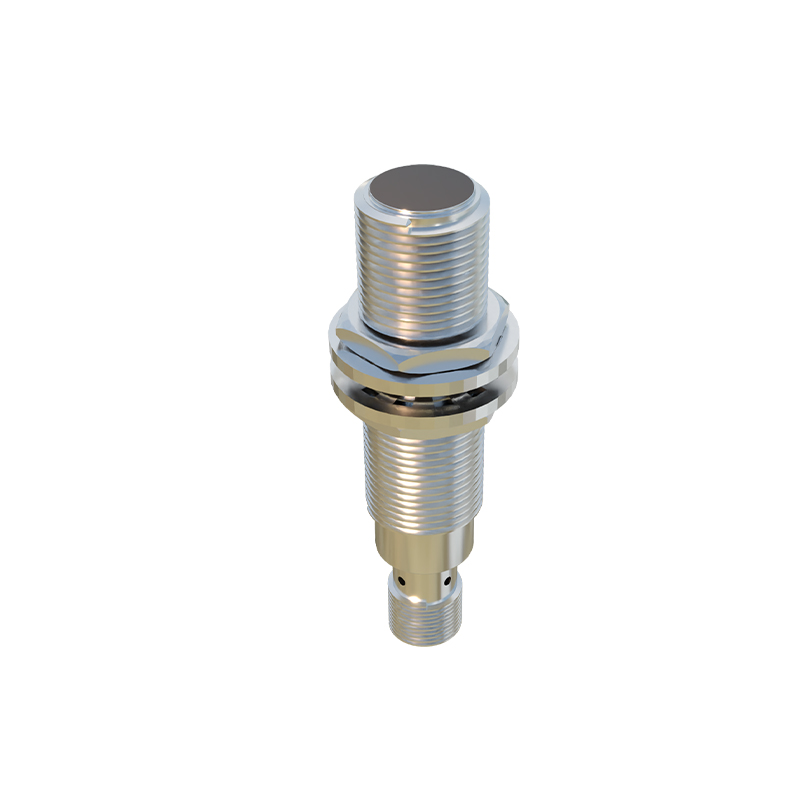
Several companies dominate the proximity sensor industry with proven expertise. Siemens AG, a German multinational, offers a comprehensive portfolio known for precision and integration with automation systems. Omron Corporation from Japan excels in compact, high-performance sensors for electronics and automotive sectors. Pepperl+Fuchs, also based in Germany, specializes in hazardous environment sensors with robust designs. In the United States, Rockwell Automation provides sensors tailored for heavy-duty industrial applications, while Banner Engineering is renowned for innovative photoelectric and ultrasonic proximity solutions.
Innovations Driving Future Sensor Technology
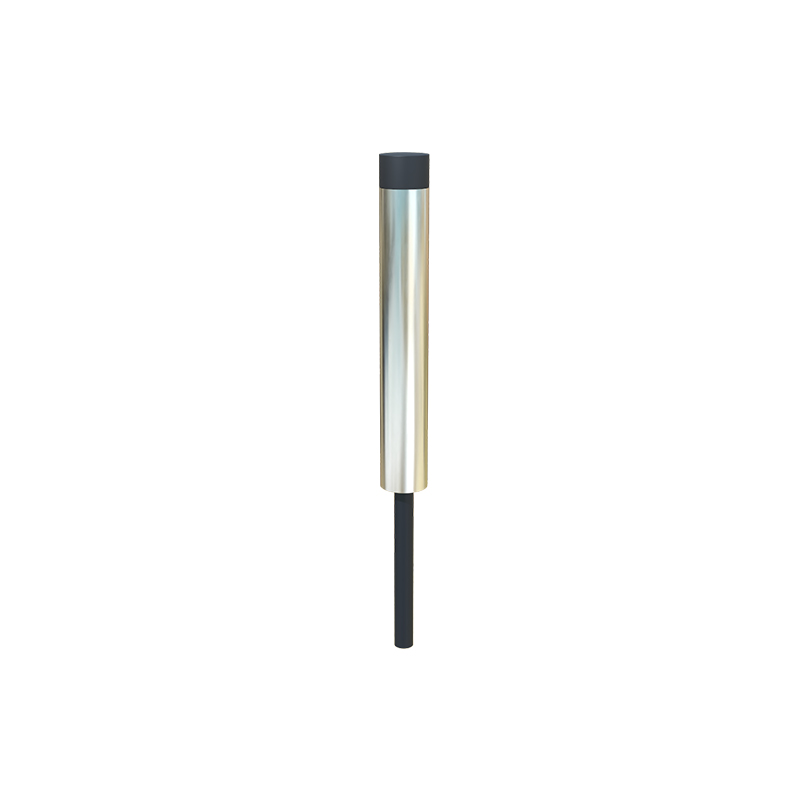
Technological advancements are reshaping proximity sensors. The integration of IO-Link communication enables real-time data exchange and predictive maintenance, reducing downtime. Miniaturization allows sensors to fit into compact spaces without sacrificing detection range. Enhanced materials, such as corrosion-resistant housings, extend product life in aggressive settings. Furthermore, smart sensors with embedded diagnostics are becoming standard, supporting the shift toward interconnected, data-driven manufacturing ecosystems.
Applications Across Diverse Industrial Sectors
Proximity sensors serve vital roles across multiple industries. In automotive manufacturing, they ensure precise part positioning and robotic welding accuracy. Food and beverage plants utilize washdown-safe sensors for hygiene compliance. Packaging machinery relies on sensors for object counting and fill-level control. In logistics, sensors automate conveyor systems and warehouse robotics. Their versatility also extends to renewable energy, where they monitor equipment in wind turbines and solar panel arrays.
Ensuring Quality Through Rigorous Testing and Standards
Top manufacturers implement stringent testing protocols to guarantee sensor performance. Environmental tests simulate extreme temperatures, vibrations, and exposure to chemicals. Electrical testing verifies signal stability and response times under load. Certifications like ATEX for explosive atmospheres and IP ratings for ingress protection demonstrate adherence to safety norms. By prioritizing quality control, these companies deliver sensors that minimize failures and optimize production uptime for end-users.
Conclusion: Partnering for Automation Success
Choosing a high-quality proximity sensor manufacturer is a strategic decision that impacts overall operational efficiency. Leading suppliers combine robust engineering, continuous innovation, and global support networks to meet evolving industrial demands. As automation complexity increases, investing in reliable sensing technology from trusted providers ensures long-term productivity and competitiveness in the global market.