Introduction to Proximity Sensing in Waste Management
In the demanding world of waste collection and management, operational efficiency and safety are paramount. Modern garbage trucks are sophisticated machines equipped with various automation technologies, among which proximity sensors play a critical role. These sensors are electronic devices designed to detect the presence or absence of nearby objects without any physical contact. Their integration into refuse vehicles has revolutionized loading, compaction, and safety protocols, minimizing human intervention and reducing the risk of accidents. By providing real-time feedback to the truck's control system, these sensors ensure smoother, faster, and more reliable collection cycles, directly impacting fleet productivity and operational costs.
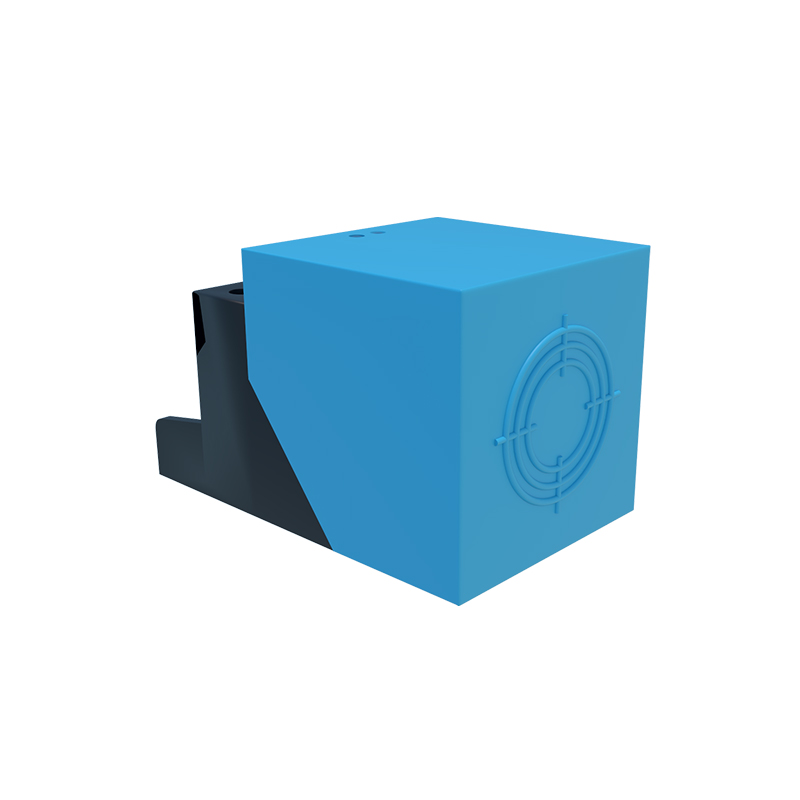
Core Operating Principles of Inductive Sensors
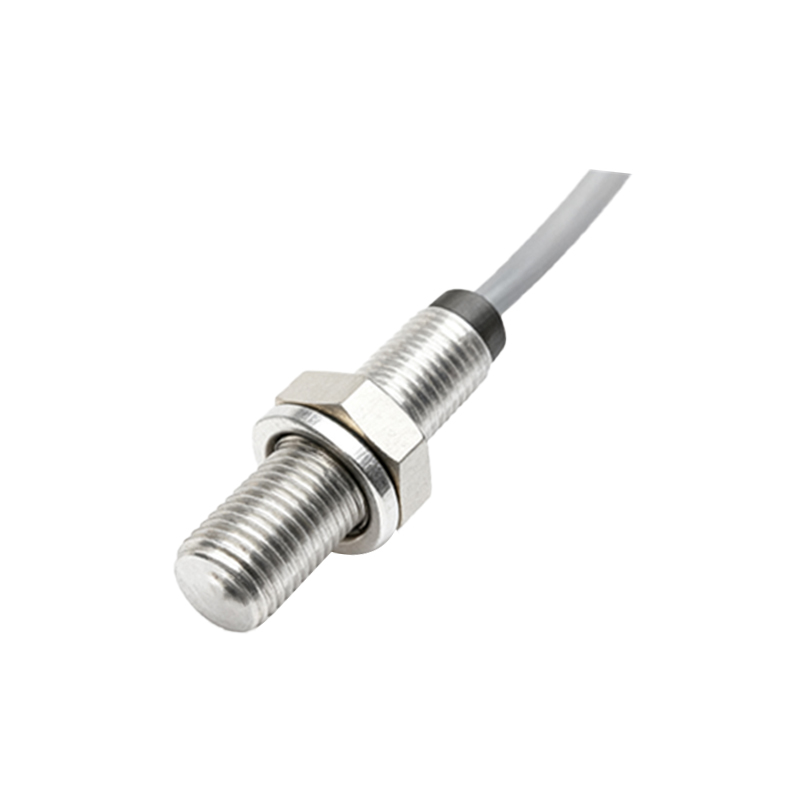
The most commonly used proximity sensors in garbage trucks are inductive sensors. Their operation is based on the principle of electromagnetic induction. The sensor contains an oscillator circuit that generates a high-frequency electromagnetic field at its active face. When a metallic object, such as the bin lifter arm, compactor panel, or the truck body itself, enters this field, eddy currents are induced on the surface of the metal. These eddy currents draw energy from the oscillator, causing a reduction in its oscillation amplitude. This change in amplitude is detected by a threshold circuit within the sensor, which subsequently triggers a solid-state switch to change its output state. This binary signal—ON or OFF—is then sent to the truck's programmable logic controller (PLC) to initiate or halt a specific mechanical action, like stopping the lifter at the correct height or activating the compaction cycle.
Key Sensor Types and Their Specific Roles
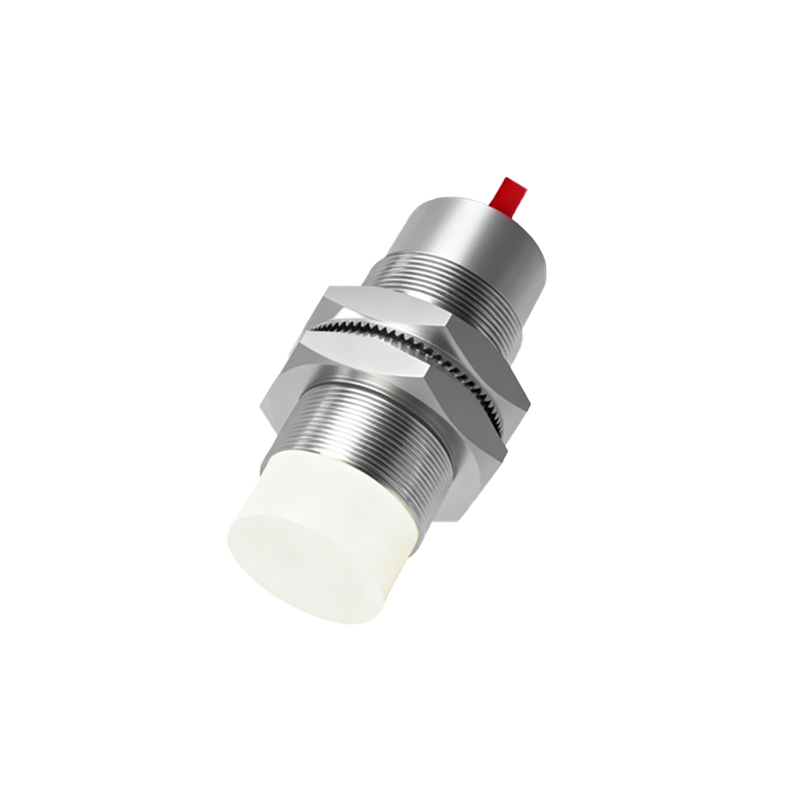
Beyond standard inductive sensors, garbage trucks may employ other types based on the application. Capacitive proximity sensors can detect non-metallic materials like plastic bins or overflowing waste, useful for monitoring hopper fill levels. Ultrasonic sensors use sound waves to measure distance to an object and are often employed for precise positioning of moving parts or for obstacle detection around the vehicle's rear during backing maneuvers. Each type is selected for its specific immunity to environmental challenges such as dust, moisture, vibration, and temperature extremes—common conditions in waste collection. Sensors are typically housed in rugged, sealed enclosures with high Ingress Protection (IP) ratings like IP67 or IP69K to withstand high-pressure washdowns and harsh weather.
Critical Applications on the Vehicle
The applications of proximity sensors on a garbage truck are diverse and vital. One primary use is in the automated side loader (ASL) or rear loader arm control. Sensors precisely detect the position of the collection bin, ensuring the arm grips it correctly and places it back on the curb without damage. During the dumping cycle, sensors monitor the position of the lifter and the compactor ram. They prevent over-travel, which could damage mechanisms, and ensure the compactor plate returns to its home position before the next cycle begins. Furthermore, sensors are integral to safety systems, acting as interlock devices. For example, a sensor may prevent the compactor from operating if the loading hopper door is not securely closed, protecting personnel from moving parts.
Integration with Vehicle Control Systems
The true power of proximity sensors is realized through their integration into the truck's centralized electronic control system. The sensors act as the "eyes" of the system, providing discrete digital or analog signals to a central PLC or dedicated controller. This controller processes the inputs from multiple sensors simultaneously, executing pre-programmed logic sequences. For instance, upon receiving a signal that a bin is correctly engaged, the controller will sequence the lift, dump, and return functions. This integration allows for complex automation, diagnostics, and even telematics reporting. Maintenance crews can often access fault codes generated by the sensor system, enabling quick identification of issues like a faulty sensor or a misaligned mechanical component.
Maintenance and Troubleshooting Considerations
Despite their rugged design, proximity sensors require periodic inspection and maintenance to ensure reliability. Common issues include physical damage from impact, buildup of grime or debris on the sensing face which can dampen the electromagnetic field, and loose wiring connections. Troubleshooting typically involves verifying the power supply, checking for output signal activity with a multimeter or diagnostic tool, and inspecting the target object's properties and distance. Regular cleaning of sensor faces and checking mounting alignment are simple yet effective preventive measures. Understanding the sensor's specifications, such as its nominal sensing distance and suitable target material, is crucial for correct replacement and calibration.
Future Trends and Advancements
The future of proximity sensing in waste management points towards smarter, more connected systems. The integration of IO-Link communication protocol allows sensors to transmit not just a switch signal, but detailed parametric data like temperature, operating hours, and signal strength to higher-level systems