Introduction to Photoelectric Sensor Fixtures
In the realm of industrial automation, photoelectric sensors are indispensable for detecting the presence, absence, or position of objects without physical contact. However, the performance and reliability of these sensors are heavily dependent on their mounting and alignment. This is where photoelectric sensor fixtures come into play. A photoelectric sensor fixture, often referred to as a bracket or mounting accessory, is a hardware component designed to securely hold, position, and sometimes protect a photoelectric sensor within a machine or system. The primary function of these fixtures is to ensure optimal and consistent alignment between the sensor's emitter and receiver (or the sensor and its target), which is critical for accurate detection. Without proper fixturing, even the most advanced sensor can suffer from misalignment, vibration-induced errors, or environmental damage, leading to system downtime and reduced efficiency. Fixtures are engineered to provide stability, adjustability, and repeatability, forming the crucial mechanical interface between the sensitive electronic sensor and the often harsh industrial environment.
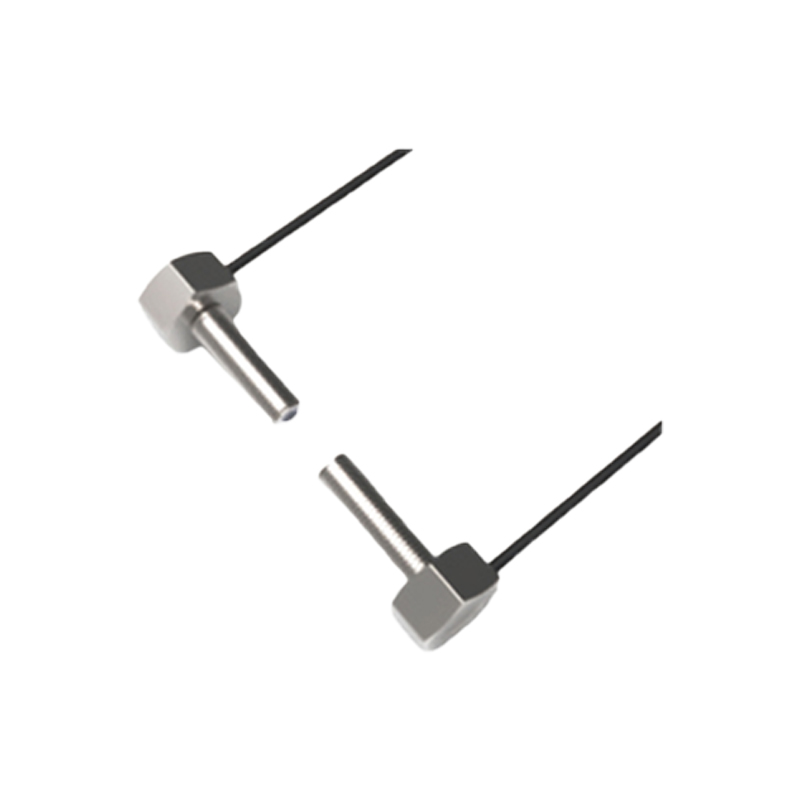
Common Types of Photoelectric Sensor Fixtures
The diversity in sensor designs and application requirements has led to the development of various fixture types. Understanding these types is key to selecting the right one. First, Standard Mounting Brackets are the most common. These are simple, L-shaped or U-shaped metal or plastic brackets with slots or holes for mounting the sensor body and securing it to a machine frame. They offer basic stability and are cost-effective for straightforward applications. Next, Adjustable Mounting Brackets provide a higher degree of flexibility. They typically feature swivel heads, ball joints, or articulated arms that allow for precise angular and positional adjustment after installation. This is vital for fine-tuning the sensor's beam to hit the target accurately, especially in retrofits or complex setups. Sensor-specific Holders are custom-designed to fit a particular sensor model or family from a specific manufacturer. They offer a perfect, snug fit, often incorporating features for quick release or tool-less installation, which simplifies maintenance. Finally, Protective Housings and Guards serve a dual purpose as fixtures and shields. These are rugged enclosures, often made of metal with a sight glass, that protect the sensor from physical impact, flying debris, washdown procedures, or extreme temperatures while still allowing the light beam to pass through.
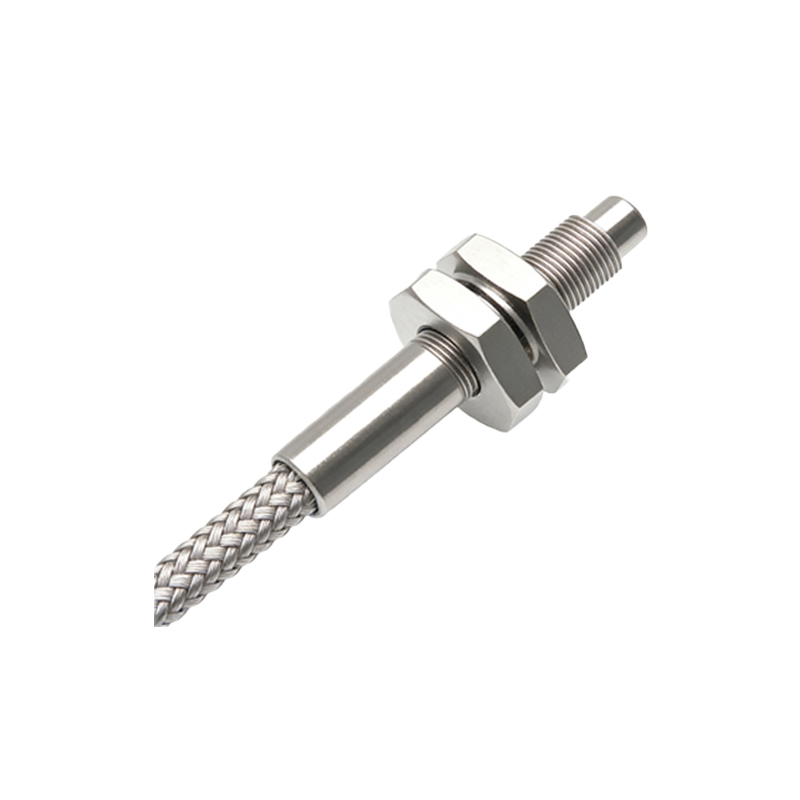
Key Applications Across Industries
Photoelectric sensor fixtures find utility in virtually every sector that employs automation. In Packaging and Material Handling, fixtures are used to mount sensors on conveyor lines to detect jams, count boxes, or verify label presence. Adjustable brackets are essential here to accommodate different package sizes and line speeds. The Automotive Manufacturing industry relies heavily on rugged fixtures to hold sensors in robotic welding cells, assembly stations, and paint shops, where they must withstand vibration, sparks, and chemicals. In Food and Beverage Processing, sensors and their fixtures must often comply with hygienic design standards (like IP69K). Stainless steel brackets and sealed protective housings are common to endure frequent high-pressure washdowns. Pharmaceutical and Electronics assembly lines use precision fixtures to ensure sensors are perfectly aligned for detecting tiny components on PCBs or verifying vial fill levels in sterile environments. Even in Warehousing and Logistics, fixtures enable the mounting of sensors on AGVs (Automated Guided Vehicles) for navigation and on storage racks for inventory monitoring.
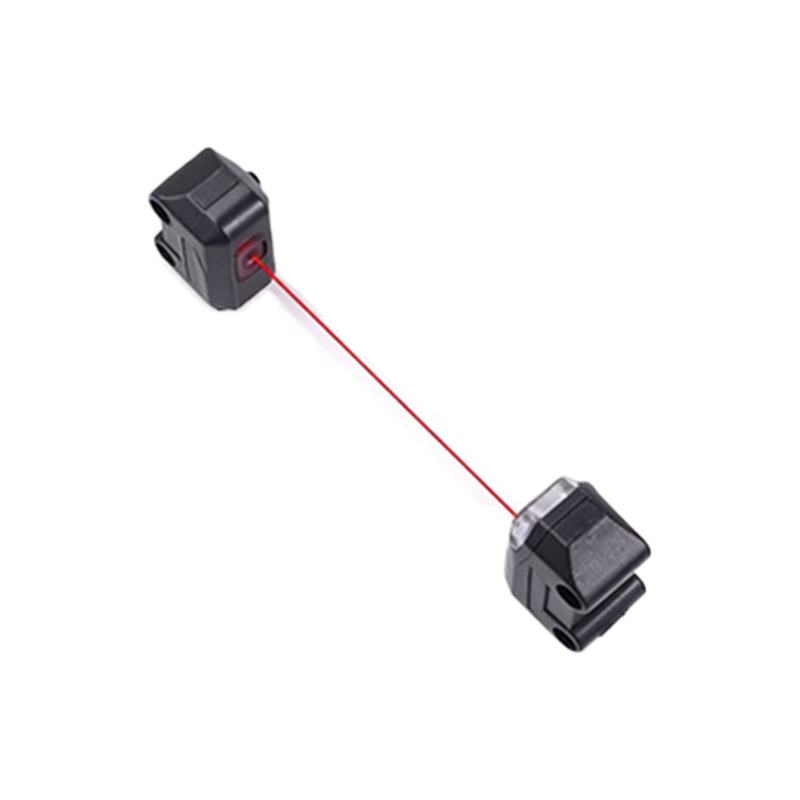
Critical Factors for Fixture Selection
Choosing the correct photoelectric sensor fixture is a systematic process that goes beyond just fitting the sensor's shape. The primary consideration is Mechanical Compatibility. The fixture must physically accommodate the sensor's dimensions, mounting threads (e.g., M8, M12, M18), or housing shape. Material and Environmental Rating is equally crucial. For corrosive environments, stainless steel or nickel-plated brackets are preferred over standard steel. Outdoor or washdown areas require fixtures with high IP (Ingress Protection) ratings. The required Degree of Adjustability must be assessed. Will the sensor need frequent repositioning? If so, a fixture with a locking swivel or fine-thread adjusters is necessary. Vibration and Shock Resistance is a key factor in dynamic machinery. Fixtures with locking mechanisms and robust construction prevent loosening. Ease of Installation and Maintenance impacts downtime. Quick-disconnect fixtures or those requiring only a single tool can significantly speed up sensor replacement. Lastly, always consider Regulatory and Safety Standards. In certain industries, fixtures may need to be certified for use in hazardous locations or meet specific machine safety directives.
Installation and Alignment Best Practices
Proper installation is paramount to leveraging the benefits of a quality fixture. Begin by selecting a mounting location that provides a clear, unobstructed path for the sensor's beam to the target. Ensure the mounting surface is clean, flat, and rigid enough to prevent flexing. When securing the fixture, use the appropriate fasteners (e.g., bolts, nuts) and tighten them to the recommended torque to avoid stripping threads or causing stress fractures. For adjustable fixtures, loosely assemble all joints, position the sensor roughly towards the target, and then power the sensor on. Use the sensor's built-in alignment indicator (often an LED) to make fine adjustments. Tighten each adjustment point sequentially, checking the signal stability after each tightening step to ensure alignment is not lost. For through-beam sensors, align the emitter and receiver fixtures simultaneously, often starting with a coarse visual alignment before using the indicator for precision. Always perform a functional test by running the target object through the detection zone multiple times to ensure consistent operation under real conditions.
Maintenance and Troubleshooting Tips
Regular maintenance of both the sensor and its fixture ensures long-term reliability. Periodically inspect the fixture for signs of physical damage, corrosion, or loose fasteners. Re-tighten if necessary, following the correct torque specifications. For adjustable fixtures, check that locking mechanisms have not seized; a light application of appropriate lubricant may be needed. Clean the fixture and the sensor's lens or sight glass using only approved, non-abrasive cleaners and soft cloths to prevent scratching. If a sensor begins to malfunction, the fixture should be part of the troubleshooting process. Common fixture-related issues include Misalignment due to vibration or accidental impact, which requires re-alignment as per installation practices. Mechanical Stress on the sensor body from an overtightened or poorly designed fixture can cause internal damage. Lens Obstruction can occur if a protective housing's window becomes dirty or damaged. By systematically checking the fixture's integrity and alignment, many false triggers or detection failures can be quickly resolved, minimizing costly production interruptions.