Introduction to Infrared Proximity Sensing Technology
Infrared proximity sensors are pivotal components in modern fire detection and monitoring systems, leveraging the principles of infrared radiation to detect heat sources and proximity changes. These sensors operate by emitting infrared light and measuring the reflection or absorption patterns from objects within their range. In fire-related applications, they excel at identifying temperature anomalies and the presence of flames or embers, often before visible smoke or fire spreads. The technology relies on the fact that all objects emit some level of infrared radiation, with intensity increasing with temperature. By analyzing this emitted radiation, sensors can accurately gauge distance and heat levels, making them indispensable for early warning systems in industrial, residential, and wildland settings. Their non-contact nature ensures minimal interference with the environment, while their rapid response time—often in milliseconds—enhances safety protocols.
Working Principles in Fire Detection
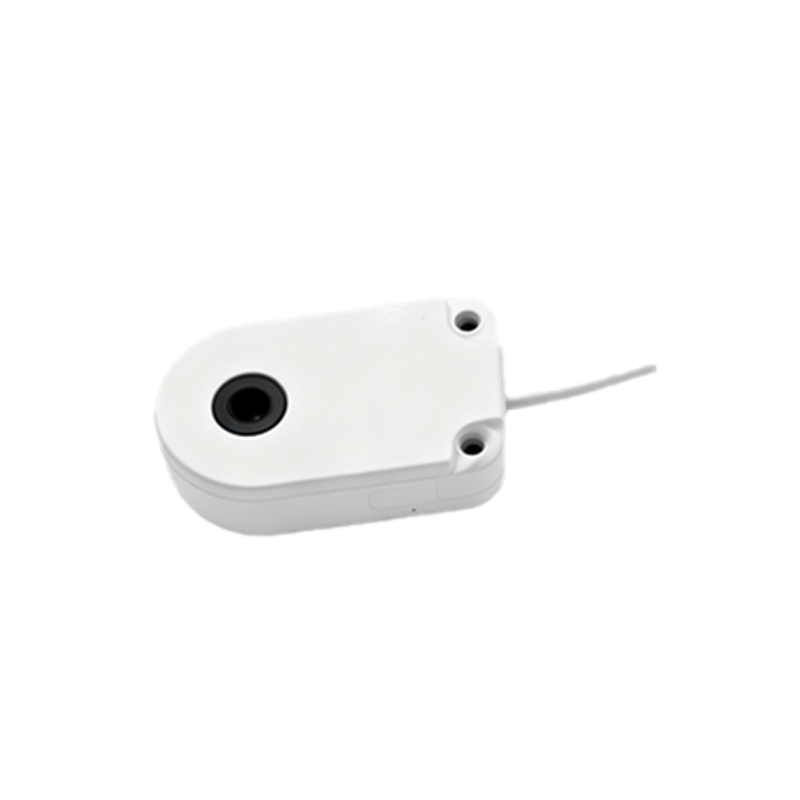
The core functionality of infrared proximity sensors in fire scenarios involves detecting specific wavelengths associated with combustion. Typically, fires emit infrared radiation in the range of 700 nm to 1 mm, with peaks around 4.3 μm for carbon dioxide emissions from flames. Sensors are calibrated to target these wavelengths, filtering out ambient noise from sunlight or artificial lighting. When a sensor identifies a sudden spike in infrared radiation within its proximity field, it triggers an alarm or activates suppression systems. Advanced models incorporate pyroelectric or thermopile detectors to convert thermal energy into electrical signals, allowing for precise temperature mapping. This enables differentiation between normal heat sources, like machinery, and hazardous fire events, reducing false positives. In addition, some sensors use triangulation methods to estimate the distance to a fire source, aiding in localization for emergency response teams.
Applications in Wildfire Monitoring and Prevention
In wildfire management, infrared proximity sensors are deployed in networks across forests and high-risk areas to provide real-time monitoring. Mounted on towers, drones, or satellites, these sensors scan vast terrains for heat signatures indicative of ignitions. They can detect smoldering fires under canopy cover or at night when visual detection fails, offering a critical advantage in early intervention. Data from sensors is transmitted to central command centers, where algorithms analyze patterns to predict fire spread and intensity. For instance, sensors placed near campfire sites or along power lines can alert authorities to unauthorized flames or electrical faults before they escalate. Integration with IoT platforms allows for automated alerts to nearby communities, enhancing evacuation efforts. Moreover, in prescribed burns, sensors help maintain safe perimeters by monitoring heat boundaries to prevent accidental escapes.
Industrial and Residential Safety Integration
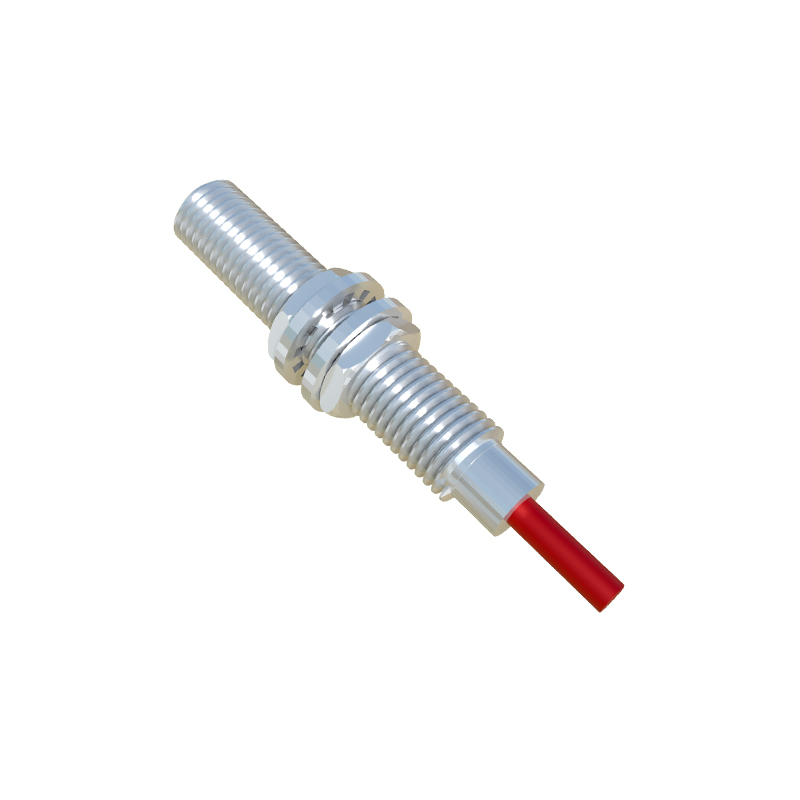
Industrial facilities, such as chemical plants or warehouses, utilize infrared proximity sensors as part of comprehensive fire safety systems. They are installed near flammable material storage, electrical panels, or machinery to detect overheating or sparks. In residential settings, smart home systems incorporate these sensors in kitchens, garages, and living areas to monitor for unattended stoves or electrical fires. The sensors connect to home automation hubs, enabling automatic shutdown of appliances or activation of sprinklers upon detection. Their low power consumption and durability make them suitable for long-term deployment, even in harsh environments. By providing continuous, 24/7 surveillance, they complement traditional smoke detectors, which may be slower to respond to heat-based threats. In building automation, sensors integrate with HVAC systems to shut down air circulation during a fire, limiting oxygen supply and smoke spread.
Challenges and Technological Advancements
Despite their efficacy, infrared proximity sensors face challenges like environmental interference from rain, fog, or dust, which can scatter infrared signals and reduce accuracy. To mitigate this, manufacturers are developing multi-spectral sensors that combine infrared with other wavelengths, such as ultraviolet or visible light, for cross-verification. Enhanced signal processing algorithms, including machine learning models, improve discrimination between fire events and non-threatening heat sources. Miniaturization trends have led to smaller, more affordable sensors, expanding their use in consumer electronics and portable firefighting gear. Future innovations may include self-calibrating sensors that adapt to changing conditions and wireless mesh networks for redundant coverage in remote areas. Research into quantum infrared sensors promises even higher sensitivity, potentially detecting fires at earlier stages with minimal energy use.
Conclusion and Industry Outlook
Infrared proximity sensors represent a cornerstone of modern fire safety, offering reliable, non-invasive detection across diverse scenarios. As climate change increases fire risks globally, their role in proactive monitoring and prevention will grow. Industry standards, such as those from NFPA or IEC, continue to evolve, mandating stricter performance criteria for sensor deployment. Collaboration between sensor manufacturers, fire agencies, and tech companies is driving integration with AI and big data analytics for predictive fire modeling. Ultimately, the ongoing refinement of this technology aims