Introduction to M18 Photoelectric Sensors
M18 photoelectric sensors are ubiquitous in industrial automation, renowned for their compact cylindrical housing (18mm in diameter) and reliable performance. They operate by emitting a beam of light (visible red, infrared, or laser) and detecting changes in the received light signal to sense the presence, absence, or position of an object. Their applications span across packaging, material handling, assembly lines, and robotics. When procuring these sensors, price is a primary consideration, but it is intrinsically linked to the sensor's technology, features, and intended application. Understanding the factors that influence cost is crucial for making an informed and cost-effective purchasing decision.
Key Factors Influencing M18 Sensor Pricing
The price range for M18 photoelectric sensors is broad, typically from under $20 to over $200 per unit. This variance is driven by several technical and functional specifications. First, the sensing mode is a major cost driver. Basic diffuse (proximity) sensors are generally the most affordable. Retro-reflective models, requiring a reflector, are moderately priced. Through-beam sensors, consisting of separate emitter and receiver units, often command a higher price due to their superior range and reliability. Second, sensing range significantly impacts cost. A standard diffuse sensor with a 1-meter range is economical, while specialized models with ranges extending to 10 meters or more, especially in laser versions, see a substantial price increase.
Technology and Feature Premiums
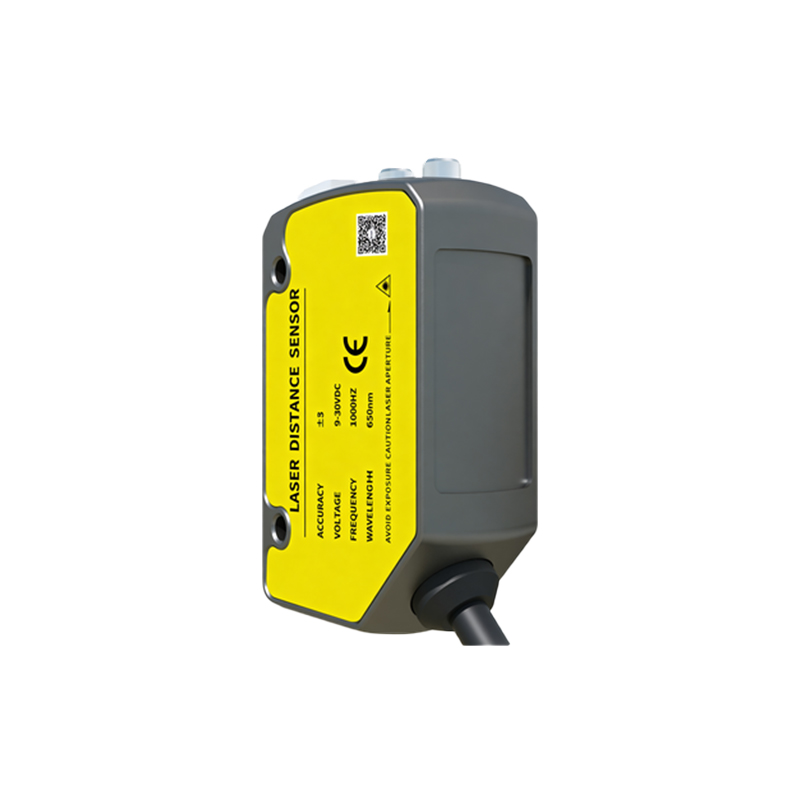
Advanced sensing technologies add considerable value and cost. Background suppression (BGS) or foreground suppression (FGS) sensors, which can accurately detect an object independent of its color or background, are more expensive than standard diffuse types. Similarly, sensors with precise contrast or color recognition capabilities carry a premium. The light source itself is a factor: infrared and standard red LED sensors are cost-effective, while high-performance laser diodes or precise blue-light sensors for specific applications are higher-priced. Additional features like adjustable sensing range (potentiometer or teach-in), time delays, programmable logic (on-delay, off-delay, window mode), and robust IO-Link communication functionality for Industry 4.0 integration all contribute to a higher price point.
Construction and Environmental Ratings
The build quality and protection ratings directly affect durability and price. Sensors with a stainless-steel housing, as opposed to nickel-plated brass or plastic, are more expensive and suited for harsh environments like food processing or washdown areas. The Ingress Protection (IP) rating is critical; an IP67 rating (dust-tight and protected against temporary immersion) is standard for many industrial sensors. However, models with higher ratings like IP68 or IP69K (for high-pressure, high-temperature washdowns) are priced higher. Specialized housings for extreme temperatures, chemical resistance, or specific safety certifications (e.g., ATEX for explosive atmospheres) also result in a significant cost increase.
Brand and Supply Chain Considerations
Brand reputation and market positioning play a substantial role. Established global automation brands (e.g., Omron, Sick, Banner Engineering, Keyence, Allen-Bradley) often price their M18 sensors at a premium, justified by extensive R&D, proven reliability, global technical support, and warranty. In contrast, many reputable generic or value-oriented brands offer functionally similar sensors at a lower price point, providing excellent value for standard applications. Furthermore, supply chain factors such as order volume (bulk discounts), availability (lead times for specialized models), and regional distribution channels can cause price fluctuations for identical sensor models.
Price Ranges and Typical Applications
To provide a practical perspective, here are typical price brackets. Entry-level M18 diffuse or retro-reflective sensors for basic object detection can be found between $20 and $60. Mid-range sensors ($60 to $150) often include features like background suppression, longer ranges, analog output, or basic programmability. High-end sensors ($150 to $300+) encompass long-range through-beam sets, high-precision laser sensors, units with advanced diagnostics and IO-Link, and those built with special materials for corrosive or hygienic environments. Matching the sensor's capability to the application's actual needs is key to avoiding overpayment for unnecessary features or under-specifying and risking system failure.
Strategies for Cost-Effective Procurement
To optimize your budget, start by precisely defining the application requirements: required sensing range, mode, output type (PNP/NPN, analog), environmental conditions, and necessary features. Avoid over-specifying. Consider value brands for non-critical, standard applications—many offer reliable performance. Evaluate total cost of ownership, not just unit price; a slightly more expensive sensor from a reliable brand may offer better longevity and reduce downtime. For large projects, request volume quotes from multiple suppliers. Finally, consult with sensor distributors or application engineers; their expertise can help identify the most economical solution that meets all technical criteria, ensuring a balanced approach to performance and price.