Introduction to NPN Photoelectric Sensors
NPN photoelectric sensors are fundamental components in modern industrial automation and control systems. These sensors operate by utilizing a light emitter, typically an LED, and a phototransistor receiver. The "NPN" designation refers to the type of transistor output used in the sensor's switching circuit. In an NPN configuration, the sensor acts as a sinking output; it connects the load to ground (common negative) when activated. This is a critical distinction from PNP sensors and dictates their wiring and integration into control logic. Their primary function is to detect the presence, absence, or distance of an object without physical contact, making them invaluable for tasks like counting, positioning, and inspection on high-speed production lines.
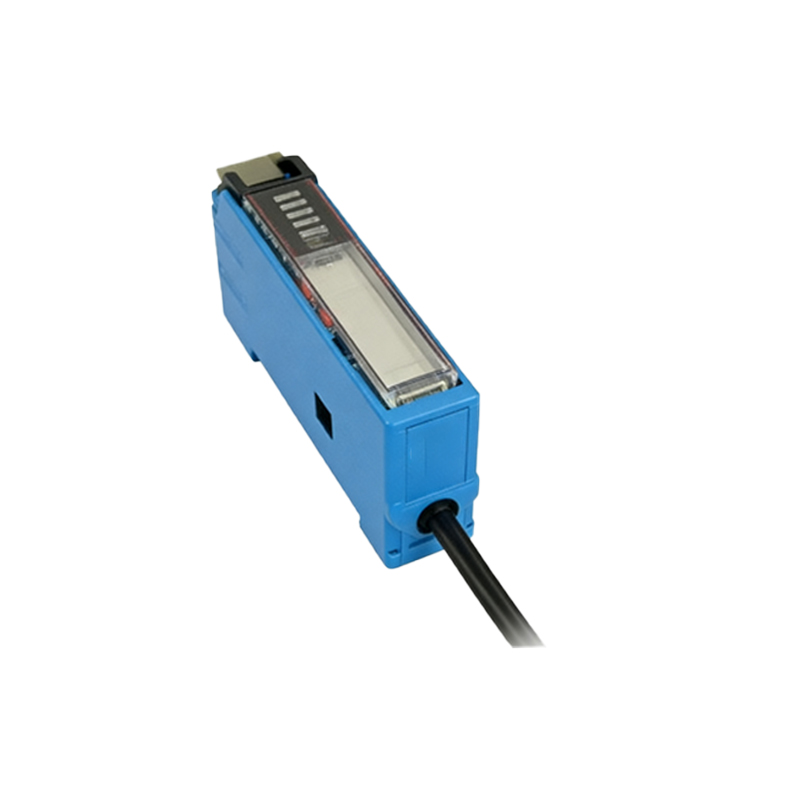
Core Operating Principle and Output Type
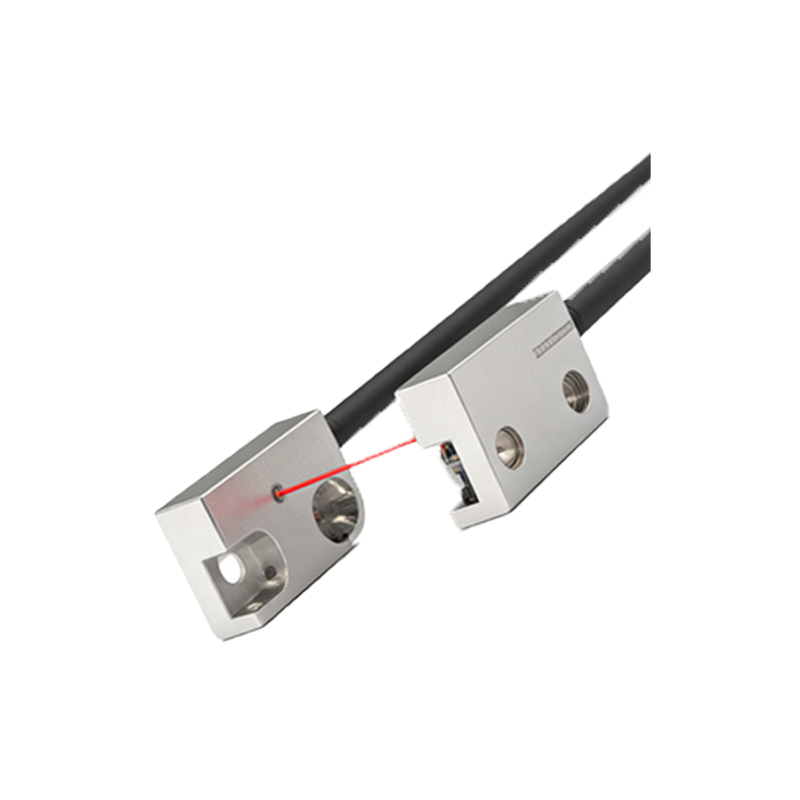
The core operation involves the emitter projecting a light beam—visible red, infrared, or laser—towards the receiver. An object interrupting or reflecting this beam changes the state of the phototransistor. The internal circuitry then switches the NPN transistor. When the sensor is active (object detected), the NPN transistor turns on, allowing current to flow from the load, through the sensor's output wire (usually black), and to the ground. This creates a low signal (near 0V) to the connected controller, such as a PLC. This sinking behavior is the defining electrical characteristic, meaning the sensor provides a path to ground, and the positive voltage supply must be provided separately to the load.
Key Advantages and Characteristics
NPN photoelectric sensors offer several distinct advantages. Their compatibility with many programmable logic controllers (PLCs) and circuits designed for sinking inputs is a major benefit. They are often cost-effective in global markets where control systems are traditionally configured for NPN logic. These sensors are renowned for high-speed response, capable of detecting objects in microseconds, which is essential for fast-paced manufacturing. They are highly versatile, available in various sensing modes: through-beam (for long-range, high reliability), retro-reflective (using a reflector), and diffuse reflective (proximity sensing). Furthermore, they are built to withstand harsh industrial environments, featuring robust housings resistant to dust, moisture, and vibration.
Wiring and Integration Considerations
Correct wiring is paramount for reliable operation. A typical three-wire NPN sensor has brown (V+), blue (V- or ground), and black (output) wires. The brown wire connects to the positive DC supply (e.g., +24V), and the blue wire to the negative or 0V. The black output wire connects to the input terminal of the controller. Since it is a sinking output, the controller's input must be internally pulled up to the positive supply through a resistor. A common oversight is mismatching NPN sensors with PNP-input modules, which will not function. Always verify the input specifications of the receiving device. Proper shielding and routing of cables are also recommended to minimize electrical noise interference.
Common Industrial Applications
The application scope for NPN photoelectric sensors is vast. In packaging machinery, they detect product presence on conveyors for filling and capping operations. In material handling, they provide precise positioning for robotic arms and count items on production lines. They are integral to assembly automation, verifying part placement and orientation. Safety systems use them as non-contact interlocks on machine guards. Their ability to detect small, transparent, or shiny objects—especially with polarized or background suppression models—makes them suitable for sophisticated tasks in electronics and pharmaceutical manufacturing.
Selection Criteria and Best Practices
Selecting the right sensor involves evaluating several factors. First, determine the required sensing range and mode based on the application. Consider the object's size, material, color, and surface finish. The response time must match the process speed. The housing material (e.g., metal or plastic) should suit the environmental conditions, including temperature, potential washdowns, and chemical exposure. Electrical requirements like supply voltage and output current capacity must align with the system. For challenging detection scenarios, specialized models with fiber optics or analog outputs are available. Regular maintenance, such as lens cleaning and alignment checks, ensures long-term, trouble-free performance.
Conclusion and Future Outlook
NPN photoelectric sensors remain a cornerstone of industrial sensing due to their reliability, speed, and straightforward integration into sinking control circuits. Understanding their sinking output characteristic is the key to successful implementation. As Industry 4.0 advances, these sensors are evolving with enhanced features like IO-Link connectivity for digital parameter setting and diagnostics, smarter background suppression, and even more compact designs. Their fundamental role in enabling precise, non-contact detection ensures they will continue to be a critical component in automated systems for the foreseeable future, driving efficiency and quality across countless industries.