Introduction to Flat Capacitive Proximity Sensors
Flat capacitive proximity sensors are advanced devices that detect the presence or absence of conductive or non-conductive objects without physical contact. Unlike traditional mechanical switches or inductive sensors, these sensors operate based on changes in capacitance. When an object enters the sensor's electric field, it alters the capacitance, triggering a response. The flat design allows for easy integration into tight spaces, making them ideal for modern industrial applications where precision and reliability are paramount. Their ability to detect a wide range of materials, including liquids, plastics, and metals, sets them apart from other sensor types, offering versatility across various sectors.
Working Principle and Key Features
The core mechanism of flat capacitive proximity sensors involves generating an electrostatic field. A high-frequency oscillator creates this field, and when an object approaches, the capacitance between the sensor electrode and the ground changes. This shift is measured by the sensor's circuitry, which then outputs a signal. Key features include high sensitivity, adjustable sensing ranges, and immunity to environmental factors like dust, moisture, or temperature fluctuations. Many models also offer embedded diagnostics and IO-Link communication for smart factory integration. These attributes ensure consistent performance in demanding conditions, reducing maintenance needs and downtime.
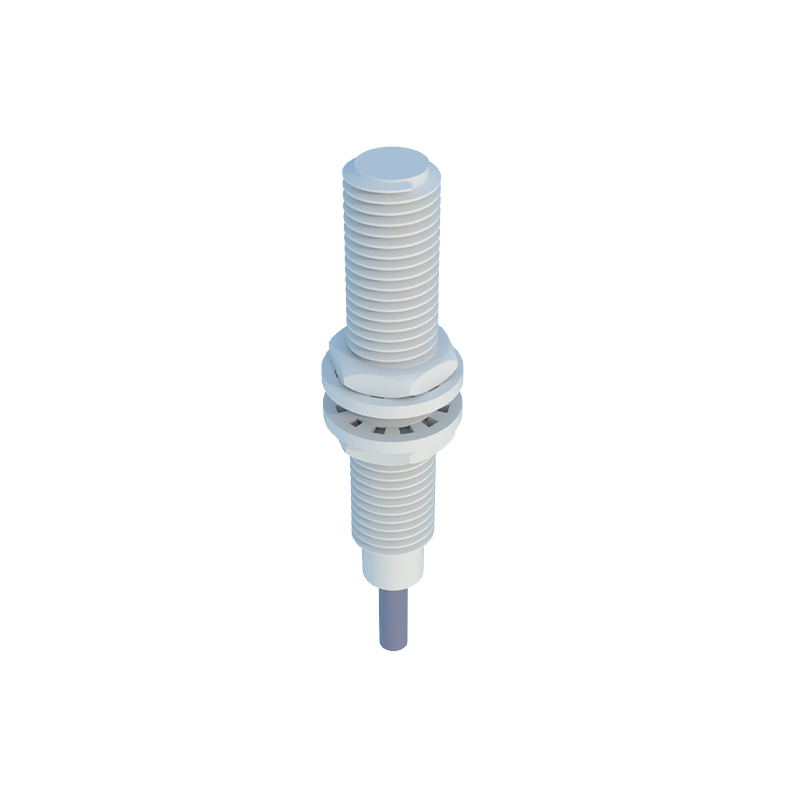
Applications in Manufacturing and Automation
In manufacturing, flat capacitive proximity sensors are widely used for object detection, level sensing, and positioning. For example, in conveyor systems, they monitor product flow and prevent jams by detecting items on the line. In packaging machinery, they ensure precise filling levels by sensing liquid or powder in containers. The automotive industry employs these sensors for robotic assembly, where they verify component placement without contact, avoiding damage to delicate parts. Their flat profile allows installation on robotic arms or within tight enclosures, enhancing automation efficiency. Additionally, in food processing, they detect packaging materials or monitor ingredient levels, complying with hygiene standards due to their washdown-resistant designs.
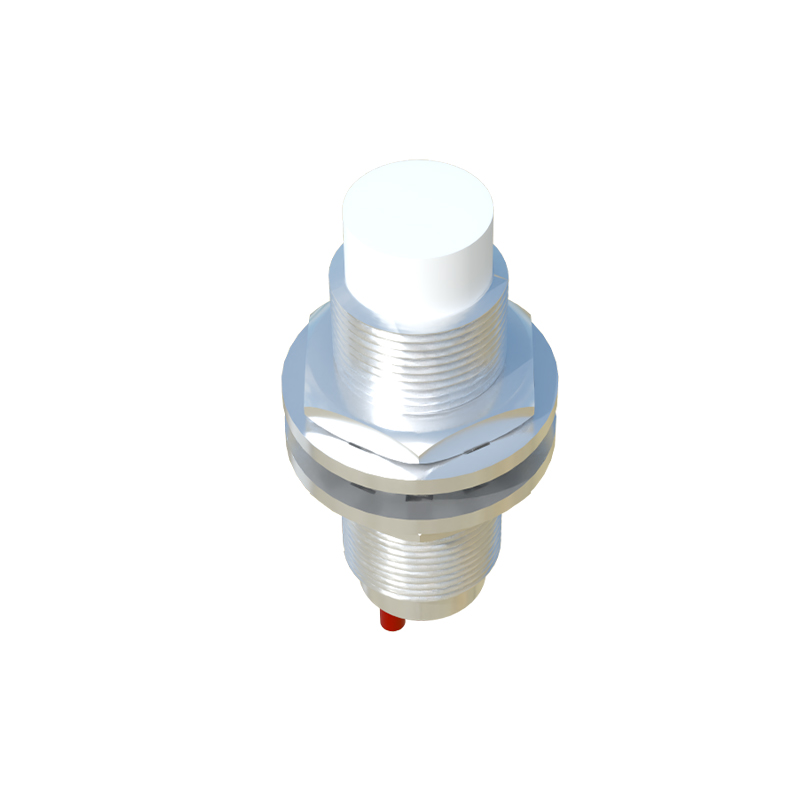
Role in Consumer Electronics and IoT
Beyond heavy industry, flat capacitive proximity sensors play a crucial role in consumer electronics and the Internet of Things (IoT). In smartphones and tablets, they detect when a user's face is near the screen, turning off the display during calls to save power. Home appliances, such as touchless faucets or automatic soap dispensers, use these sensors for hygienic operation. In smart buildings, they contribute to energy management by detecting occupancy and adjusting lighting or HVAC systems. The low power consumption and compact size make them suitable for battery-operated IoT devices, enabling seamless connectivity and user interaction in smart homes and wearable technology.
Advantages Over Other Sensor Types
Compared to inductive or optical sensors, flat capacitive proximity sensors offer distinct benefits. They can detect non-metallic objects, which inductive sensors cannot, and are less affected by color or transparency issues that challenge optical sensors. The flat design minimizes protrusion, reducing the risk of damage in crowded environments. With no moving parts, they boast longer lifespans and higher reliability. Their ability to operate through non-conductive barriers, like glass or plastic, allows for concealed installation, maintaining aesthetic appeal in consumer products. These advantages lead to cost savings through reduced wear and enhanced adaptability in diverse applications.
Installation and Maintenance Best Practices
Proper installation is key to maximizing sensor performance. Mount flat capacitive proximity sensors on stable surfaces, avoiding metal interference that could distort the electric field. Adjust sensitivity settings to match the target material and distance, using calibration tools if provided. Regular maintenance involves cleaning the sensor face to prevent buildup of contaminants, which can affect accuracy. In industrial settings, integrate sensors with control systems via protocols like PROFINET or EtherNet/IP for real-time monitoring. Training personnel on troubleshooting common issues, such as false triggers or range limitations, ensures optimal operation and extends sensor lifespan.
Future Trends and Innovations
The future of flat capacitive proximity sensors is driven by Industry 4.0 and smart manufacturing trends. Advances in miniaturization and materials science are leading to even thinner, more flexible sensors for wearable and medical applications. Enhanced algorithms and AI integration enable predictive maintenance, where sensors self-diagnose and alert operators to potential failures. Wireless versions are emerging, simplifying installation in remote or mobile setups. As sustainability gains focus, energy-harvesting capabilities may be incorporated, reducing reliance on external power sources. These innovations will expand their use in robotics, healthcare, and environmental monitoring, solidifying their role in the connected world.