Introduction to Diffuse Photoelectric Sensors
Diffuse photoelectric sensors, also known as diffuse reflective sensors, are widely used in industrial automation for object detection without requiring a separate reflector. These sensors operate by emitting a light beam—typically infrared, visible red, or laser—and detecting the portion of light that reflects off the target object. The key advantage lies in their simplicity, as they combine the emitter and receiver in a single housing, making installation straightforward. They are ideal for applications where space is limited or where mounting a reflector is impractical. However, their performance can be influenced by factors such as object color, surface texture, and environmental conditions like dust or ambient light. Understanding the various types helps in selecting the right sensor for specific tasks, ensuring reliable operation in diverse settings from packaging lines to material handling.
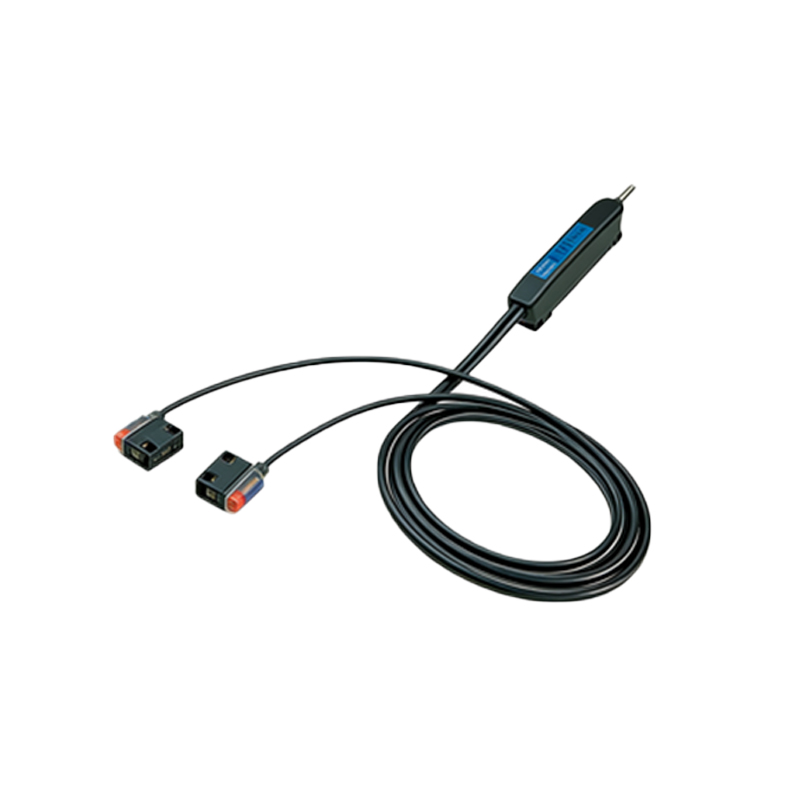
Standard Diffuse Sensors
Standard diffuse sensors are the most common type, utilizing a modulated light source to detect objects within a specified range. They emit a continuous or pulsed beam and measure the intensity of the reflected light. The detection occurs when the received signal exceeds a preset threshold. These sensors are cost-effective and suitable for general-purpose applications, such as detecting the presence of boxes on a conveyor belt or counting items. However, they may struggle with low-reflectivity surfaces, like dark or matte objects, and can be susceptible to interference from background materials. To mitigate this, many models feature adjustable sensitivity settings, allowing users to fine-tune the sensor for optimal performance. Their typical sensing ranges vary from a few centimeters to several meters, depending on the technology and power.
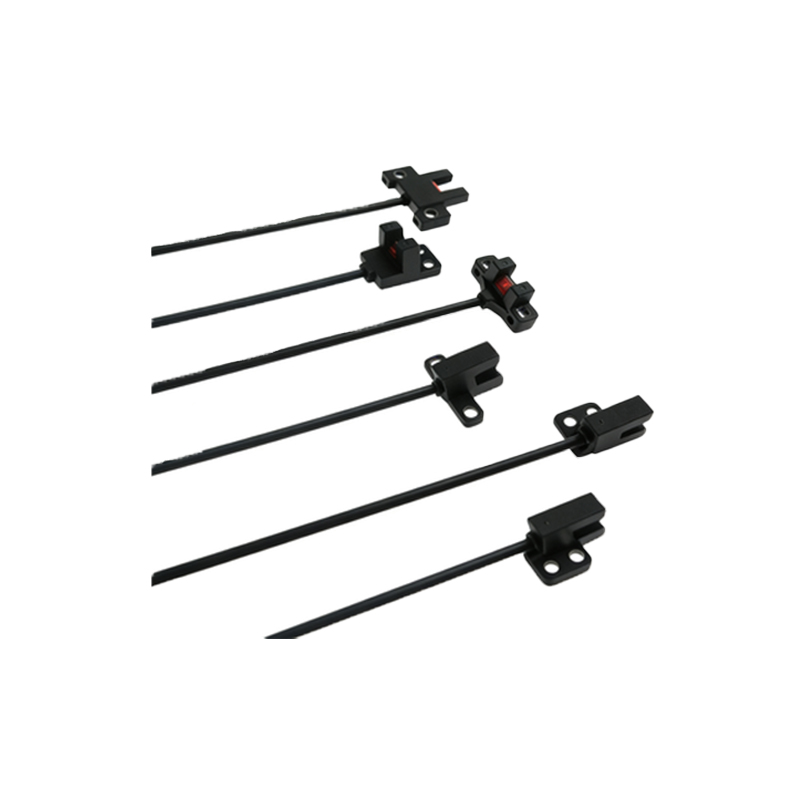
Background Suppression (BGS) Sensors
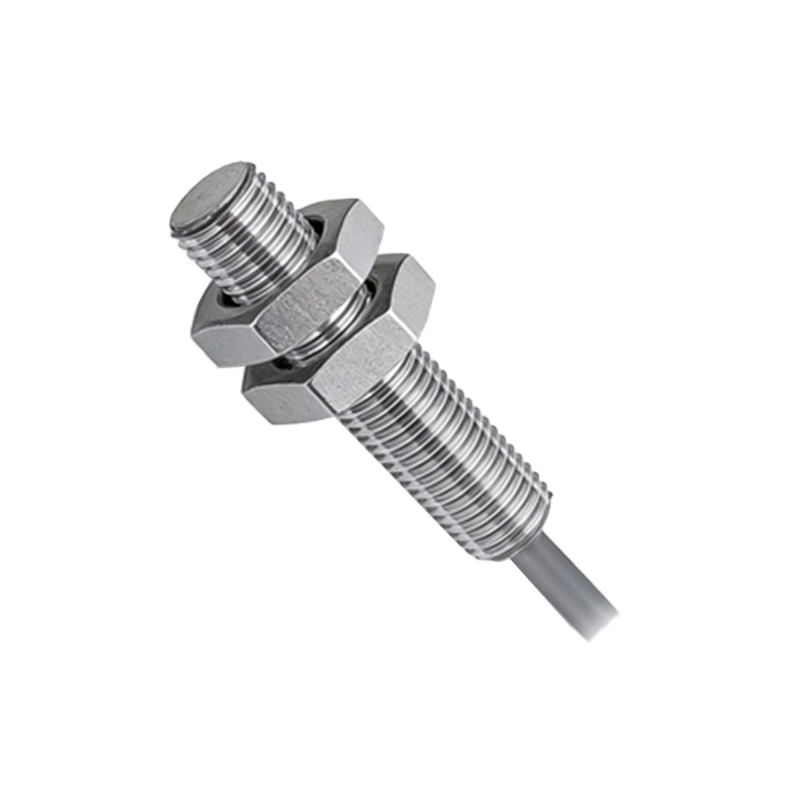
Background Suppression (BGS) sensors, also called foreground suppression sensors, are designed to ignore objects beyond a specific distance, focusing only on targets within a defined "window." They achieve this through triangulation or lens-based optics, which enables precise distance measurement. By setting a cutoff point, the sensor distinguishes between the foreground object and the background, reducing false triggers from distant surfaces. This makes BGS sensors ideal for applications where the target is close to a reflective background, such as detecting transparent bottles on a shiny conveyor or identifying parts in a cluttered environment. They often use red or laser light for enhanced accuracy and can handle challenging surfaces, including glossy or uneven materials. While more expensive than standard types, their reliability in complex scenarios justifies the investment.
Color Mark Sensors
Color mark sensors are a specialized subset of diffuse sensors optimized for detecting specific colors or contrasts on surfaces. They emit a focused light beam and analyze the reflected wavelength to identify color differences, often used in printing, labeling, or packaging industries. For example, they can detect registration marks on moving webs or ensure correct color alignment in textile production. These sensors typically feature adjustable sensitivity for color recognition and may include teach-in functions for easy setup. Some advanced models incorporate RGB LEDs to distinguish between multiple colors. Their performance depends on consistent lighting conditions, so they are often shielded from ambient light interference. While not suitable for general object detection, they excel in precision tasks where color accuracy is critical.
Fiber Optic Diffuse Sensors
Fiber optic diffuse sensors use optical fibers to transmit light from the emitter to the sensing head and back to the receiver, allowing the electronics to be remotely located. This design is beneficial in harsh environments with high temperatures, vibrations, or limited space, as the sensing head can be miniaturized and placed in tight spots. The fibers are immune to electromagnetic interference, making them suitable for use near motors or welding equipment. They operate on the same diffuse principle but offer flexibility in installation and durability. Common applications include detecting small components in electronics assembly or monitoring processes in chemical plants. However, their sensing range is generally shorter than other types, and they may require careful alignment.
Laser-Based Diffuse Sensors
Laser-based diffuse sensors employ a focused laser beam for high-precision detection, offering longer ranges and better resolution compared to standard LED-based sensors. The narrow beam allows for accurate positioning and detection of small objects, even at distances up to several meters. They are commonly used in logistics for parcel sorting or in manufacturing for precise part alignment. Laser sensors often include features like background suppression and adjustable spot sizes, enhancing versatility. Safety considerations are important, as some lasers may require Class 1 or Class 2 compliance to prevent eye damage. While more costly, their performance in demanding applications—such as detecting fine details or operating in bright ambient light—makes them a preferred choice for critical tasks.
Selection Criteria and Applications
Choosing the right diffuse photoelectric sensor involves evaluating factors like sensing range, object properties, environmental conditions, and budget. For general detection, standard sensors suffice, while BGS types are better for backgrounds with interference. Color mark sensors suit color-based tasks, fiber optic versions excel in harsh settings, and laser sensors offer precision for long-range needs. Applications span industries: in automotive, they detect parts on assembly lines; in food processing, they monitor packaging integrity; and in pharmaceuticals, they ensure bottle filling levels. Regular maintenance, such as lens cleaning and sensitivity checks, prolongs sensor life. As technology advances, smart sensors with IO-Link connectivity are emerging, enabling real-time diagnostics and integration into Industry 4.0 systems.