Introduction to Slow Scan Photoelectric Sensors
Slow scan photoelectric sensors are specialized devices designed for precise detection in applications where standard photoelectric sensors may struggle due to environmental factors or specific object characteristics. Unlike conventional sensors that operate at high frequencies, slow scan variants utilize a modulated light beam and synchronized receiver to filter out ambient light interference, making them ideal for detecting transparent, glossy, or low-reflectivity objects. These sensors are engineered to provide reliable performance in challenging industrial settings, such as packaging lines, automotive assembly, and material handling systems. By employing a scanning technique that adjusts to the target's properties, they ensure accurate detection without false triggers, enhancing overall automation efficiency. Their ability to operate effectively in varying light conditions—from bright sunlight to complete darkness—makes them a versatile solution for diverse sectors.
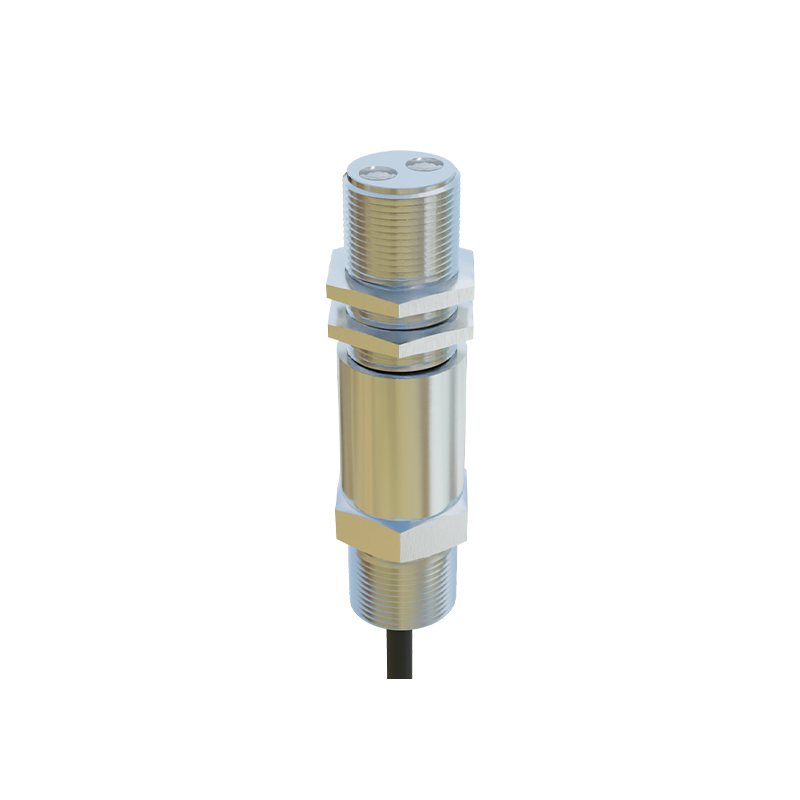
Working Principle and Technology
The core technology behind slow scan photoelectric sensors involves a pulsed infrared or visible light source and a receiver tuned to the same frequency. This synchronous detection method allows the sensor to distinguish between the emitted signal and external light sources, reducing noise and improving signal integrity. When the light beam encounters an object, the receiver analyzes the reflected or transmitted light based on pre-set thresholds for intensity and timing. Advanced models incorporate adjustable sensitivity settings and time-delay functions to fine-tune responses for specific materials, such as glass, plastic films, or metallic surfaces. This precision is achieved through integrated circuits that process signals in real-time, enabling consistent operation even in dynamic environments with moving conveyors or vibrating machinery.
Key Applications in Industry
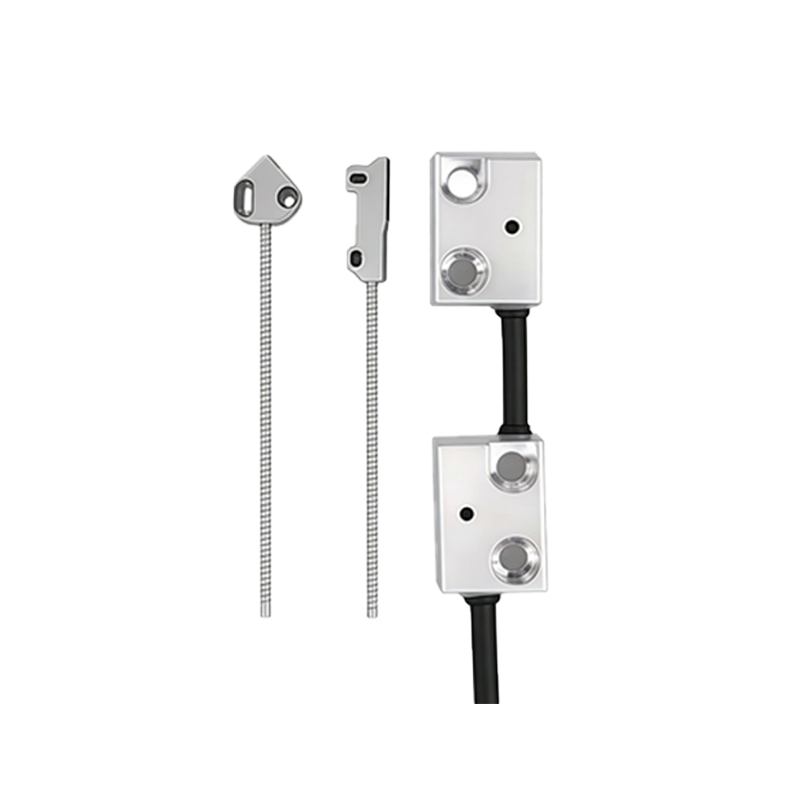
In industrial automation, slow scan photoelectric sensors are deployed for tasks requiring high accuracy and reliability. Common applications include detecting clear bottles on filling lines, where traditional sensors might fail due to transparency, or identifying labels on glossy packaging without misreads. They are also used in electronic manufacturing to sense components on PCBs, and in logistics for sorting translucent parcels. Automotive plants leverage these sensors for part presence verification during assembly, ensuring quality control. Their robustness against dust, moisture, and temperature fluctuations—often meeting IP67 ratings—makes them suitable for harsh environments like food processing or outdoor installations. By integrating with PLCs and IoT systems, they contribute to smart factory initiatives, enabling predictive maintenance and data-driven optimization.
Advantages Over Standard Sensors
Compared to standard photoelectric sensors, slow scan types offer distinct benefits that address specific industrial challenges. Their enhanced immunity to ambient light eliminates the need for shielding or enclosures in well-lit areas, reducing installation costs and complexity. The adjustable scan rate allows customization for slow-moving or stationary objects, preventing missed detections in low-speed processes. Additionally, their high signal-to-noise ratio ensures stable performance with minimal downtime, leading to increased productivity and reduced waste. Energy efficiency is another advantage, as the modulated operation consumes less power than continuous-emission sensors. These features make slow scan sensors a cost-effective choice for long-term operations, where reliability and precision are paramount for maintaining throughput and safety standards.
Selection and Installation Guidelines
Choosing the right slow scan photoelectric sensor involves considering factors like sensing range, object material, and environmental conditions. For transparent objects, a through-beam or retro-reflective model may be preferred, while diffuse types suit opaque surfaces. Key specifications to evaluate include response time, which should align with conveyor speeds, and output types (e.g., NPN/PNP or analog signals) for compatibility with control systems. During installation, proper alignment of the emitter and receiver is crucial to avoid signal loss; using mounting brackets and testing with actual samples can optimize placement. Regular maintenance, such as lens cleaning and calibration checks, helps sustain accuracy. Manufacturers often provide configuration software for tuning parameters, enabling seamless integration into existing automation networks without extensive reprogramming.
Future Trends and Innovations
The evolution of slow scan photoelectric sensors is driven by advancements in IoT and Industry 4.0, with trends pointing toward smarter, more connected devices. Future models may incorporate AI algorithms for self-adjusting sensitivity based on real-time data, reducing manual intervention. Miniaturization will allow deployment in compact spaces, while enhanced communication protocols like IO-Link will facilitate remote monitoring and diagnostics. Energy harvesting technologies could enable wireless operation, expanding applications in mobile robotics or remote sites. As industries demand higher precision and adaptability, these sensors will continue to integrate with vision systems and machine learning platforms, offering comprehensive detection solutions that enhance automation resilience and efficiency in a rapidly changing technological landscape.