Understanding the Core Technology
Infrared beam barrier proximity sensors, often referred to as photoelectric through-beam sensors, operate on a fundamental principle of light interruption. The system consists of two separate units: a transmitter and a receiver. The transmitter emits a focused beam of infrared light, which is invisible to the human eye. The receiver unit, positioned directly opposite, is tuned to detect this specific infrared signal. When an opaque object passes between the two units, it interrupts the beam. The receiver detects this break in the signal and triggers an output switch, typically a solid-state relay or transistor. This simple yet robust "light-on" or "light-off" detection method forms the basis for highly reliable presence sensing.
Key Advantages Over Other Sensor Types
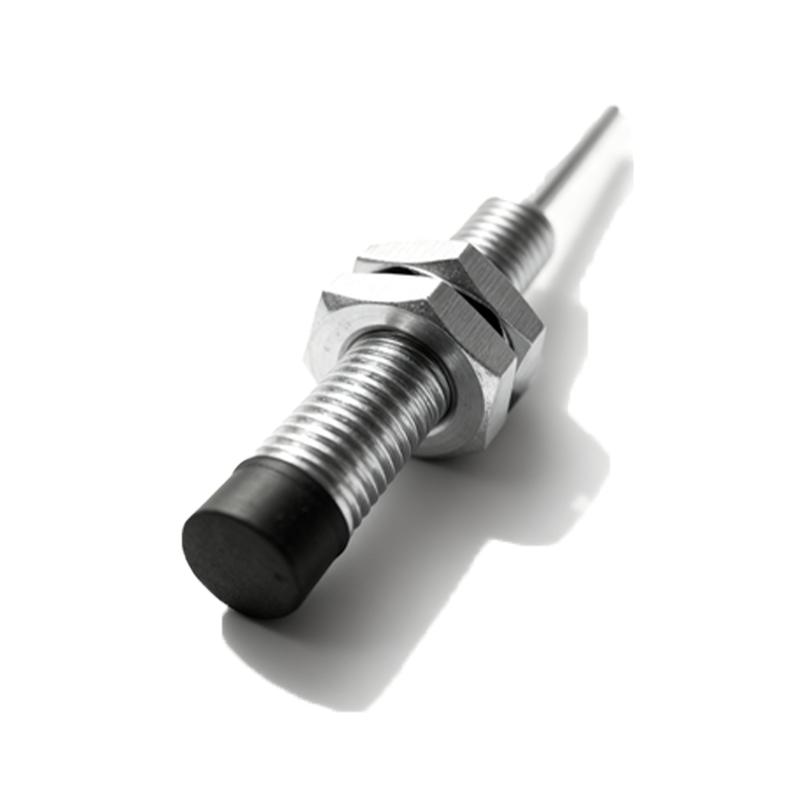
These sensors offer distinct benefits that make them suitable for demanding industrial environments. Their primary advantage is an exceptionally long sensing range, which can extend up to several tens of meters, far surpassing the capabilities of diffuse-reflective or ultrasonic sensors. This allows for the monitoring of large areas or wide conveyor belts. Furthermore, they provide precise detection, as the beam is narrow and well-defined, leading to accurate edge detection of objects. They are largely immune to the color, surface texture, or material of the target object, as they rely on beam interruption rather than reflection. This makes them ideal for detecting transparent or shiny objects that often confuse other optical sensors.
Common Industrial Applications
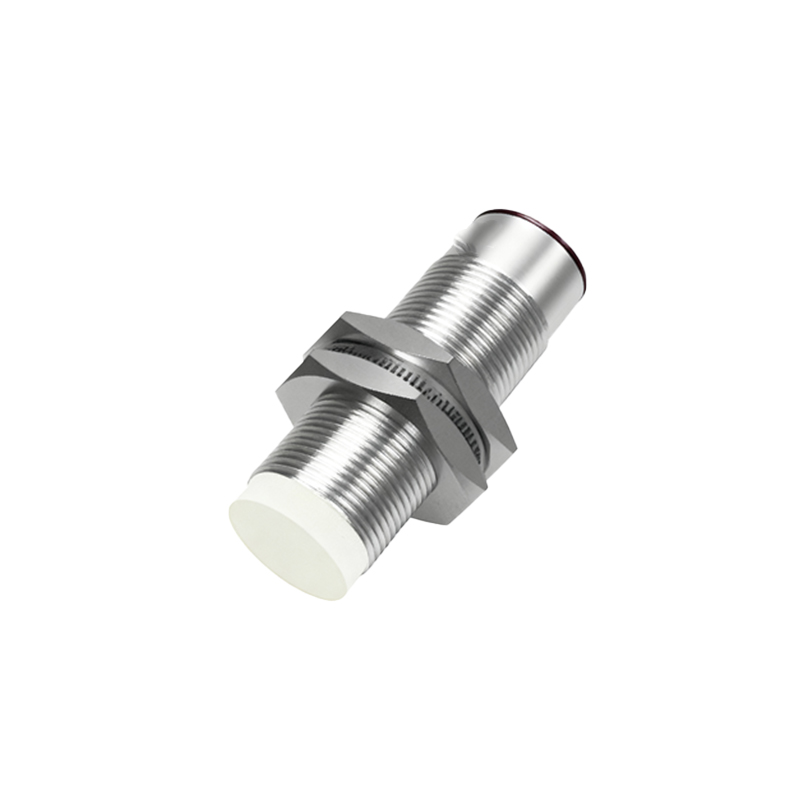
The applications for infrared beam barriers are vast and critical across automation. In material handling, they are extensively used for object counting on high-speed production lines, package sorting, and detecting jams on conveyor systems. In the automotive industry, they safeguard robotic welding and assembly cells by creating invisible safety curtains, ensuring human operators do not enter hazardous zones. They are also pivotal in packaging machinery for detecting missing caps or labels, and in the wood and metal industries for precise length measurement and cut-to-size applications. Their reliability in dirty or dusty environments, when equipped with appropriate housings, further expands their use in mining and aggregate processing.
Critical Selection Criteria
Choosing the correct infrared beam barrier requires careful consideration of several parameters. The operating range is paramount; one must select a sensor pair rated for a distance greater than the actual installation gap. The response time, or switching frequency, must be fast enough to detect the smallest or fastest-moving objects on the line. Environmental factors dictate the housing material (e.g., metal for rugged areas, plastic for light duty) and the Ingress Protection (IP) rating to withstand dust, water, or coolant exposure. The type of output signal (PNP/NPN, NO/NC) must be compatible with the programmable logic controller (PLC) or control system. Finally, features like built-in alignment indicators, adjustable sensitivity, and synchronization capability for multiple sensors in close proximity are crucial for ease of installation and maintenance.
Installation and Alignment Best Practices
Proper installation is key to achieving reliable operation. The transmitter and receiver must be mounted on stable, vibration-free surfaces to prevent misalignment. Precise alignment is critical; most modern units feature visual LED indicators or audible signals that assist in this process, showing optimal signal strength when aligned. The beam path must be kept clear of potential obstructions like hanging cables, accumulated debris, or passing personnel. For long-range applications, consider using sensors with a visible red pilot beam superimposed on the infrared beam to simplify initial alignment. Regular maintenance should include cleaning the lenses to prevent false triggers caused by dirt buildup that attenuates the light signal.
Troubleshooting Typical Issues
Even with robust design, issues can arise. Frequent false triggers often stem from external light interference, such as direct sunlight or strobe lights from welding. Selecting sensors with modulated infrared light (a specific pulsed frequency) and using polarizing filters can mitigate this. Intermittent operation may indicate poor alignment, loose mounting, or a failing power supply. A complete failure to detect objects usually points to severe misalignment, a damaged lens, or a faulty component in either the transmitter or receiver. Systematic checking of power, alignment, and environmental conditions, followed by a substitution test with a known-good sensor, is the standard diagnostic approach.
Future Trends and Innovations
The evolution of infrared beam barrier sensors continues, driven by Industry 4.0 demands. Modern sensors are increasingly incorporating IO-Link communication, enabling digital parameter setting, remote diagnostics, and predictive maintenance data directly to the control system. There is a trend towards miniaturization, allowing installation in tight spaces without sacrificing range or performance. Enhanced background suppression algorithms are being developed to ignore distant, non-relevant objects beyond the set sensing window. Furthermore, the integration of multi-beam arrays in a single housing is becoming