Introduction to Thin Proximity Sensors
Thin proximity sensors, also known as flat or low-profile sensors, are compact devices designed to detect the presence or absence of objects without physical contact. These sensors operate based on electromagnetic, capacitive, or inductive principles, emitting a field or beam to sense targets within a specified range. Their slim design, often just a few millimeters thick, allows for installation in tight spaces where traditional sensors cannot fit. This makes them ideal for applications requiring minimal intrusion, such as in automated machinery, robotics, and consumer electronics. The development of thin proximity sensors has been driven by the need for more efficient, space-saving solutions in modern industrial systems, enabling higher precision and reliability in detection tasks.
Core Functions and Detection Mechanisms
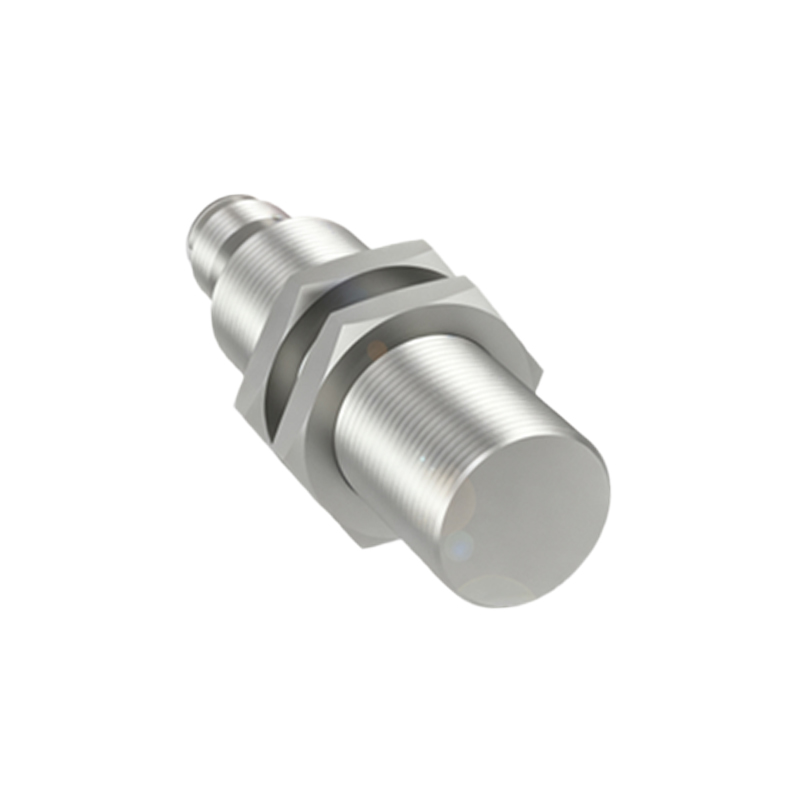
The primary role of thin proximity sensors is to provide non-contact detection, which reduces wear and tear and enhances operational longevity. They function by generating an electromagnetic field or using capacitive sensing to identify metallic or non-metallic objects. For instance, inductive sensors detect ferrous metals by changes in oscillation frequency, while capacitive sensors respond to variations in dielectric properties, allowing them to sense materials like plastic, glass, or liquids. These mechanisms ensure high accuracy and fast response times, critical in high-speed production lines. Additionally, thin proximity sensors often feature built-in diagnostics and adjustable sensing ranges, offering flexibility for diverse industrial environments. Their ability to operate in harsh conditions, such as extreme temperatures or dusty areas, further underscores their robustness and versatility.
Applications in Industrial Automation
In industrial automation, thin proximity sensors play a pivotal role in optimizing processes and ensuring safety. They are commonly used for position sensing in conveyor systems, where they detect the passage of items to control sorting or packaging operations. In robotics, these sensors facilitate precise object detection for pick-and-place tasks, enabling collaborative robots to work safely alongside humans by preventing collisions. The automotive industry relies on them for assembly line monitoring, such as verifying component placement or checking door closures. Their thin profile allows integration into compact machine designs, contributing to the trend of miniaturization in smart factories. By providing real-time data, these sensors help reduce downtime and improve efficiency, supporting the shift towards Industry 4.0 and IoT-connected systems.
Advantages Over Traditional Sensors
Compared to bulkier traditional sensors, thin proximity sensors offer significant benefits. Their reduced size and weight make them easier to install and less obtrusive, which is crucial in applications with space constraints, like medical devices or mobile electronics. They consume less power, aligning with energy-saving initiatives in green manufacturing. The non-contact nature eliminates mechanical stress, leading to lower maintenance costs and longer service life. Furthermore, advancements in materials and technology have enhanced their sensitivity and resistance to interference, ensuring reliable performance even in noisy electrical environments. These advantages translate to cost savings and improved productivity, making thin proximity sensors a preferred choice for modern engineering projects that demand high performance in compact form factors.
Future Trends and Innovations
The future of thin proximity sensors is shaped by ongoing innovations aimed at increasing functionality and integration. Developments in microelectronics and nanotechnology are enabling even thinner designs with enhanced sensing capabilities, such as multi-object detection or environmental monitoring. Wireless connectivity and smart features, like self-calibration and data logging, are becoming more common, allowing sensors to communicate seamlessly with control systems for predictive maintenance. In sectors like aerospace and renewable energy, these sensors are being adapted for lightweight and durable applications, such as monitoring turbine blades or aircraft components. As industries continue to prioritize automation and efficiency, thin proximity sensors will evolve to meet emerging challenges, solidifying their role as indispensable tools in the electrical and engineering fields.