Modern vehicles increasingly rely on a suite of laser-based sensors, primarily LiDAR (Light Detection and Ranging), to enable advanced driver-assistance systems (ADAS) and autonomous driving functions. These sensors emit laser pulses to create precise, real-time 3D maps of the vehicle's surroundings. However, like any sophisticated technology, they are susceptible to malfunctions. Understanding the causes, recognizing the symptoms, and knowing the solutions is crucial for vehicle safety and performance.
A primary cause of laser sensor failure is physical damage or obstruction. The sensor housing, often mounted on the vehicle's exterior, is vulnerable to road debris, minor collisions, or improper washing techniques. Even a thin layer of mud, ice, or dense fog can scatter the laser beams, rendering the sensor temporarily blind. Internal component failure is another significant issue. The delicate laser emitters and photodetectors can degrade over time due to extreme temperature cycles, vibration, or simple manufacturing defects. Furthermore, software glitches or calibration errors can cause the sensor to misinterpret data. A misaligned sensor, perhaps from a slight bump, will provide inaccurate distance and positional information, leading to system errors.
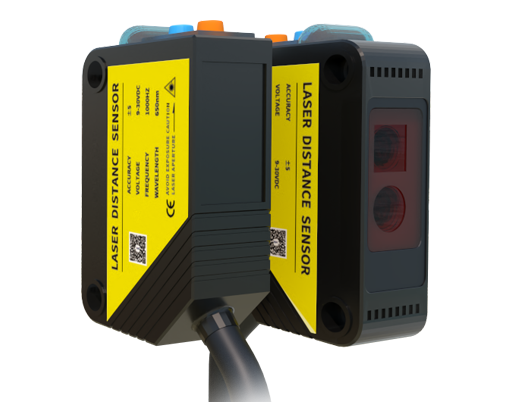
The symptoms of a malfunctioning laser sensor are typically communicated clearly by the vehicle. The most common indicator is a dashboard warning light, often accompanied by a message like "Sensor Blocked," "Front Camera/Sensor Unavailable," or "ADAS Limited." The driver may experience a sudden deactivation of features like adaptive cruise control, automatic emergency braking, or lane-keeping assist. In some cases, these systems may behave erratically—for instance, the brakes might pulse unnecessarily, or the steering might provide odd corrective nudges. It is imperative not to ignore these warnings, as the vehicle's safety envelope is compromised.
Addressing a suspected laser sensor issue begins with basic inspection and cleaning. Safely pull over and carefully wipe the sensor lens with a soft, lint-free cloth, using a recommended automotive glass cleaner if necessary. Ensure the area around the sensor is free of obstructions like stickers, accumulated dirt, or snow. If the warning persists after cleaning, professional diagnosis is required. Dealerships and qualified auto repair shops use specialized diagnostic tools to read fault codes from the sensor's control module. They can determine if the problem is software-based, requiring a recalibration or update, or hardware-based.

Sensor recalibration is a precise procedure often necessary after windshield replacement or any repair that might alter the sensor's alignment. This process uses specialized targets and alignment equipment to ensure the sensor's perspective matches the vehicle's geometry. If the sensor itself is physically damaged or has an internal fault, replacement is the only solution. This is a costly repair, highlighting the importance of protecting these components. Following a replacement, recalibration is always mandatory.
Preventive maintenance can reduce the risk of malfunctions. Regularly and gently clean the sensor areas during car washes. Be mindful of parking close to obstacles that could be hit by the bumper or grille where sensors are often housed. Adhere to the vehicle's service schedule, as software updates from the manufacturer can address known bugs and improve sensor performance. As this technology becomes standard, understanding these aspects empowers drivers to maintain their vehicle's critical safety systems, ensuring that the eyes of the car continue to see the world with clarity and precision.