In the realm of industrial automation and control systems, the proximity sensor magnetic switch stands as a fundamental and highly reliable component. Its operation is elegantly simple yet profoundly effective, enabling non-contact detection of ferromagnetic objects. This technology is pivotal in countless applications where durability, precision, and resistance to harsh environments are paramount.
At its core, a proximity sensor magnetic switch operates based on the interaction between a permanent magnet and a reed switch or a magnetically sensitive semiconductor element, such as a Hall-effect sensor. The most common and robust type is the reed switch-based design. A reed switch consists of two ferromagnetic, flexible metal reeds sealed within a glass tube filled with an inert gas. These reeds act as electrical contacts. In the absence of a strong external magnetic field, the reeds remain separated, and the switch is in its normal "open" state. When a permanent magnet, typically attached to a moving machine part like a cylinder piston or a door, approaches the sensor, the magnetic field causes the two reeds to magnetize and attract each other. This physical movement brings the contacts together, closing the electrical circuit. When the magnet moves away, the magnetic force diminishes, the reeds spring back to their original position, and the circuit opens again. This binary action—open or closed—provides a clear, unambiguous signal.
The Hall-effect type offers a different approach. It uses a semiconductor chip that generates a voltage proportional to the strength of an applied magnetic field. This allows for more nuanced detection, potentially offering analog output or programmable switching points, though the basic on/off function remains a primary application. Both types excel in environments plagued by dust, oil, moisture, or vibration, as the sensing element is hermetically sealed.
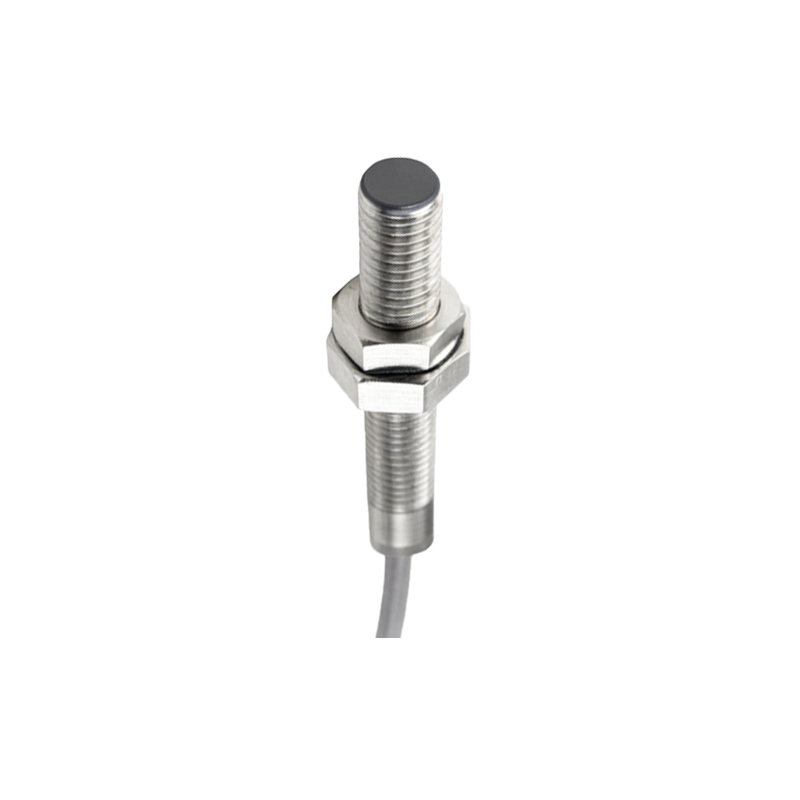
The advantages of magnetic proximity switches are numerous. Their non-contact nature means there is no physical wear from repeated actuation, leading to an exceptionally long operational life, often rated in tens of millions of cycles. They are immune to contaminants that would foul mechanical limit switches. They provide fast response times, crucial for high-speed machinery. Furthermore, they are simple to install and align, often featuring LED indicators for operational status.
Applications for these sensors are vast and varied across industries. In factory automation, they are indispensable for end-of-stroke detection in pneumatic and hydraulic cylinders, providing feedback on the position of pistons. They are used for speed monitoring on rotating shafts by counting gear teeth or detecting mounted magnets. In the automotive sector, they are found in door and trunk ajar detection systems, seat belt sensors, and transmission gear position sensing. Elevators and escalators use them for floor leveling and safety curtain monitoring. Beyond heavy industry, they are present in everyday appliances like washing machines (lid position) and security systems (window/door contacts).
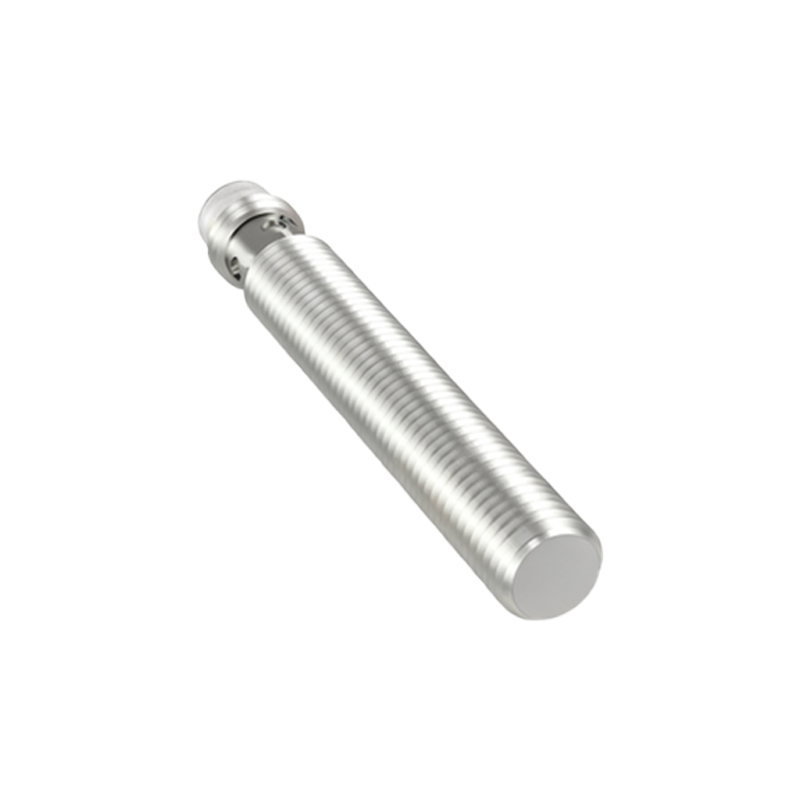
When selecting a magnetic proximity switch, several key parameters must be considered. The sensing distance, or the gap at which the switch reliably activates, is critical and depends on magnet strength and sensor sensitivity. The housing material, typically stainless steel, brass, or ruggedized plastic, must withstand the environmental conditions. Electrical specifications like voltage rating, current capacity (switching capacity), and output type (normally open or normally closed) must match the control circuit requirements. For hazardous areas, intrinsically safe or explosion-proof certifications may be necessary.
Installation and maintenance are straightforward but require attention to detail. The sensor must be mounted securely, and the travel path of the actuating magnet must be aligned correctly within the specified sensing range. While highly reliable, failures can occur, often due to physical damage to the housing or cable, misalignment from vibration, or, in rare cases, demagnetization of the actuator. Troubleshooting usually involves checking the power supply, verifying the output signal with a multimeter or the sensor's LED, and inspecting the alignment and gap.
In conclusion, the proximity sensor magnetic switch is a testament to robust and effective engineering. Its principle of magnetic actuation provides a clean, reliable, and maintenance-free solution for position sensing. From controlling complex robotic assembly lines to ensuring a refrigerator door is properly closed, this technology continues to be a cornerstone of automated sensing, offering a perfect blend of simplicity, durability, and performance that few other sensing technologies can match.