Core Function and Operational Principle
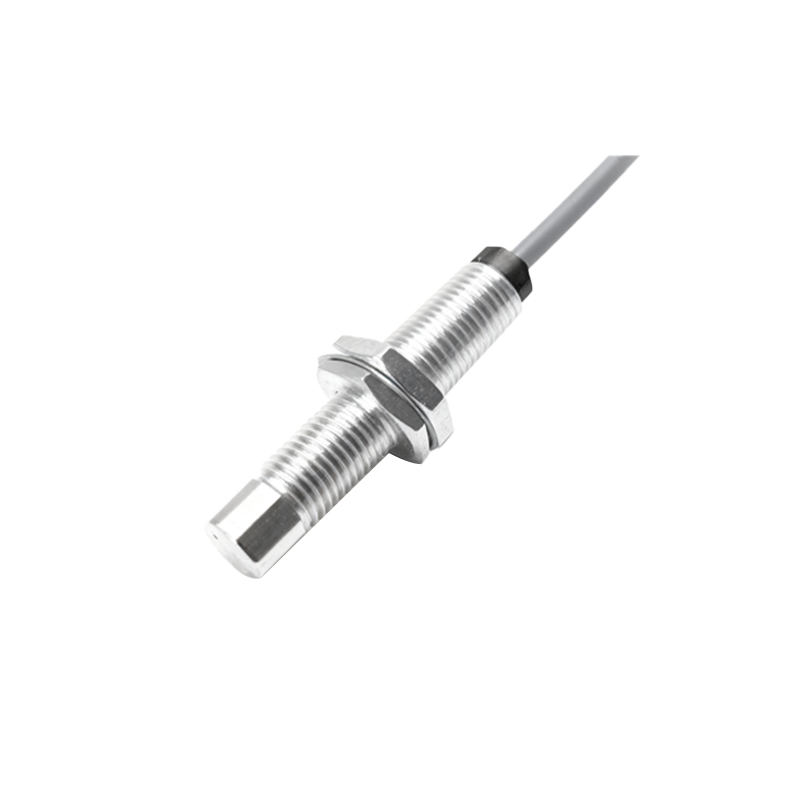
A proximity switch sensor circuit board is the intelligent heart of a non-contact detection device. Unlike mechanical limit switches, it detects the presence or absence of a target object without physical contact. The core board typically integrates an oscillator, a sensing coil or electrode (depending on the type), a signal conditioning circuit, a switching amplifier, and often protection circuits. When a metallic or other detectable object enters the sensor's active electromagnetic or electrostatic field, it causes a change in oscillation amplitude or capacitance. The circuit board's primary role is to precisely monitor this minute change, process the signal, and reliably trigger a clean, high-speed output signal to control external devices like PLCs, relays, or valves. This fundamental principle enables wear-free operation, high switching frequency, and exceptional reliability in harsh environments.
Signal Processing and Noise Immunity
One of the most critical functions of the sensor circuit board is robust signal processing and noise rejection. Industrial environments are electrically noisy, filled with electromagnetic interference from motors, variable frequency drives, and welding equipment. A well-designed circuit board employs filtering techniques, shielded layouts, and sometimes dedicated ICs to distinguish the true target signal from background noise. It ensures that the sensor does not give false triggers, which could lead to machine malfunctions or safety hazards. Advanced boards incorporate diagnostics, such as short-circuit and overload protection for the output stage, and LED indicators driven by the circuitry to provide clear operational status, facilitating quick troubleshooting and maintenance.
Enabling Diverse Sensing Technologies
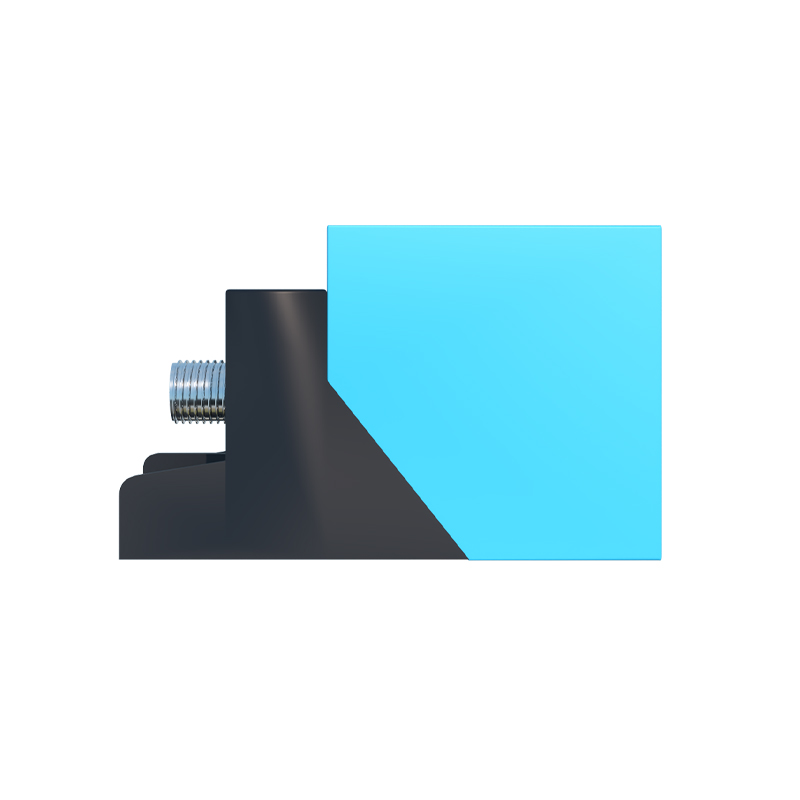
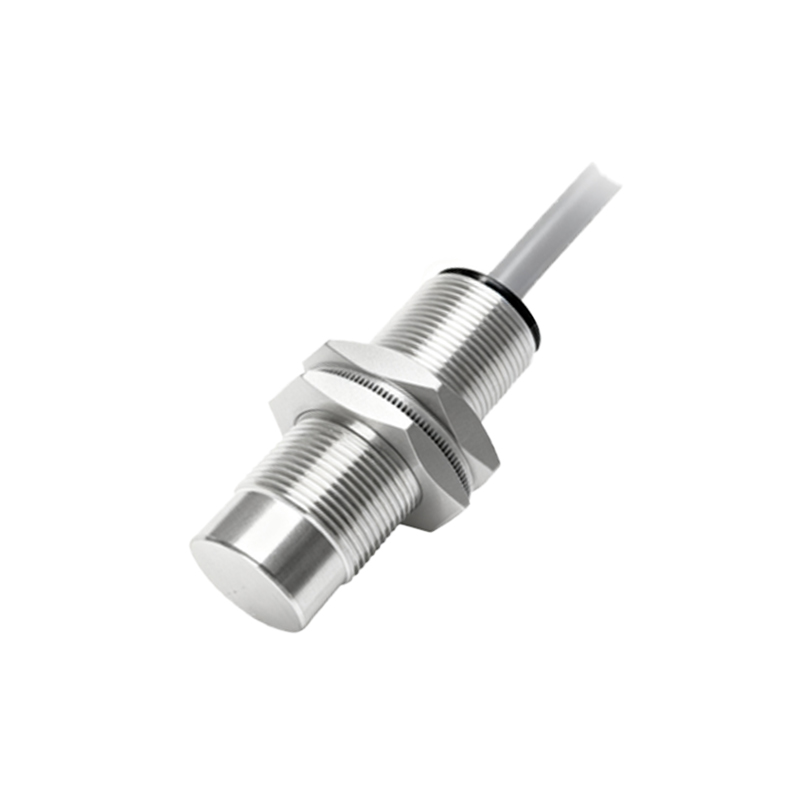
The specific design of the circuit board varies significantly based on the sensing technology it supports. For inductive proximity sensors (detecting metals), the board drives a coil in an LC oscillator circuit. For capacitive sensors (detecting metals, liquids, plastics), the board manages a capacitor plate's electrostatic field. For magnetic (reed or Hall effect) sensors, the board processes changes in magnetic field strength. Each technology demands tailored electronic components and circuit logic on the board. Furthermore, the board defines key performance parameters such as sensing range, hysteresis (the difference between switch-on and switch-off points), response time, and output type (PNP/NPN, NO/NC, analog, or IO-Link). This versatility makes proximity sensor boards applicable across countless applications, from position verification on assembly lines to liquid level control in tanks.
Integration with Modern Industrial Systems
Modern proximity switch sensor circuit boards are increasingly sophisticated to meet Industry 4.0 demands. Many now feature embedded microcontrollers and support digital communication protocols like IO-Link. This transforms a simple binary switch into a smart device. The board can transmit not just a switch state but also parameter data (e.g., temperature, signal strength), device identification, and diagnostic information to a central controller. This allows for predictive maintenance, remote configuration, and seamless integration into automated networks. The circuit board's design ensures compatibility with various supply voltages (10-30V DC typically) and provides stable performance despite voltage fluctuations, which is crucial for uninterrupted industrial processes.
Durability and Environmental Adaptation
The circuit board is a key factor in the sensor's ruggedness. It is often potted or coated with a protective resin to withstand vibration, humidity, condensation, and exposure to coolants or chemicals. This encapsulation, dictated by the board's layout and component selection, protects sensitive electronics from corrosion and physical damage. The board's thermal management design ensures stable operation across a wide temperature range, from freezing cold storage facilities to hot manufacturing cells. By housing this resilient electronic core, the overall sensor achieves high Ingress Protection (IP) ratings, allowing it to perform reliably in washdown areas or outdoor installations, far exceeding the capabilities of electromechanical switches.