What is a Guangning Photoelectric Sensor?
A Guangning photoelectric sensor is an electronic device designed to detect the presence, absence, or distance of an object using a light transmitter and a receiver. Operating on the fundamental principle of converting light signals into electrical signals, these sensors are pivotal components in modern industrial automation. The "Guangning" designation typically refers to a brand or series known within the electrical and industrial sectors for producing reliable and cost-effective sensing solutions. These sensors utilize various light sources, most commonly infrared, visible red, or laser light, to perform non-contact detection tasks with high precision and speed. Their core function is to emit a beam of light and then analyze the properties of the light that is either reflected back to the sensor's receiver or blocked by an object. This simple yet robust mechanism allows them to operate in diverse and often challenging environments where physical contact is undesirable or impossible.
Core Operating Principles and Types
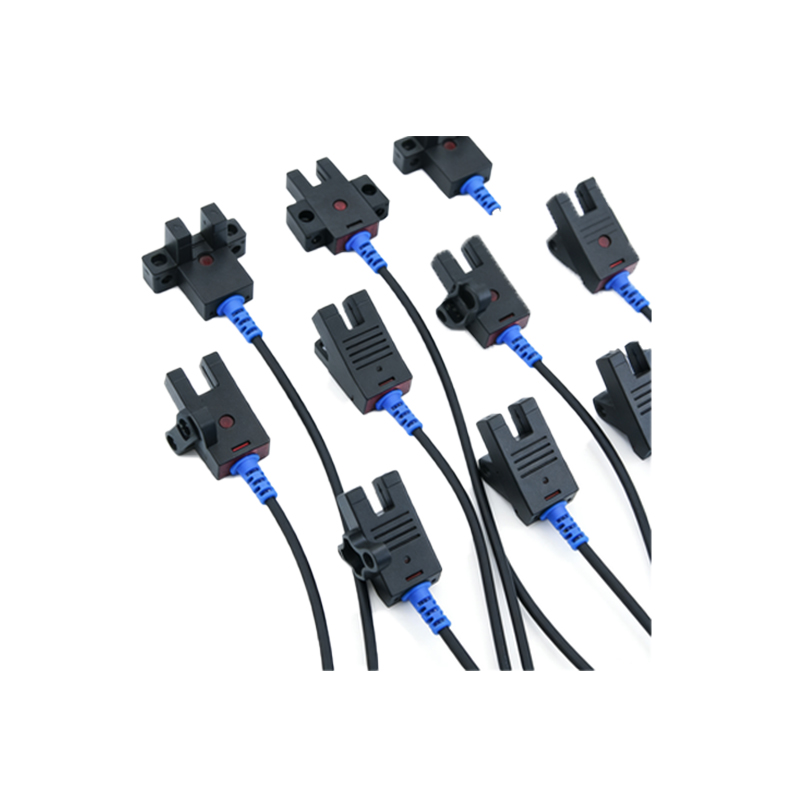
The functionality of Guangning photoelectric sensors is based on three primary operational modes: through-beam, retro-reflective, and diffuse reflective. Through-beam sensors, also known as opposed mode sensors, consist of separate transmitter and receiver units placed opposite each other. Detection occurs when an object interrupts the light beam traveling from the transmitter to the receiver. This mode offers the longest sensing range and highest reliability, as it is less affected by the object's color, texture, or reflectivity. Retro-reflective sensors house both the emitter and receiver in a single housing. They rely on a reflector, typically a prismatic tape, to bounce the light beam back to the receiver. An object is detected when it breaks this reflected beam. Diffuse reflective sensors, or proximity mode sensors, also have a combined emitter and receiver. They detect an object when the emitted light reflects off the object's surface and returns to the receiver. This mode is highly dependent on the object's color and surface properties.
Key Technical Specifications and Features
When selecting a Guangning photoelectric sensor for a specific application, engineers must evaluate several critical technical parameters. Sensing range is paramount, defining the maximum distance at which the sensor can reliably detect a target. Response time, measured in milliseconds or microseconds, determines how quickly the sensor can react to a change in state, which is crucial for high-speed production lines. Light source type (e.g., LED, laser) influences the beam's precision, visibility, and longevity. The housing material, often rated with an IP (Ingress Protection) code like IP67, indicates the sensor's resistance to dust and water, ensuring durability in harsh industrial settings. Many Guangning models also feature advanced functionalities such as background suppression, which allows detection of an object while ignoring a more distant background, and teach-in functions for easy setup and adjustment of sensitivity thresholds directly on the device.
Common Industrial Applications and Use Cases
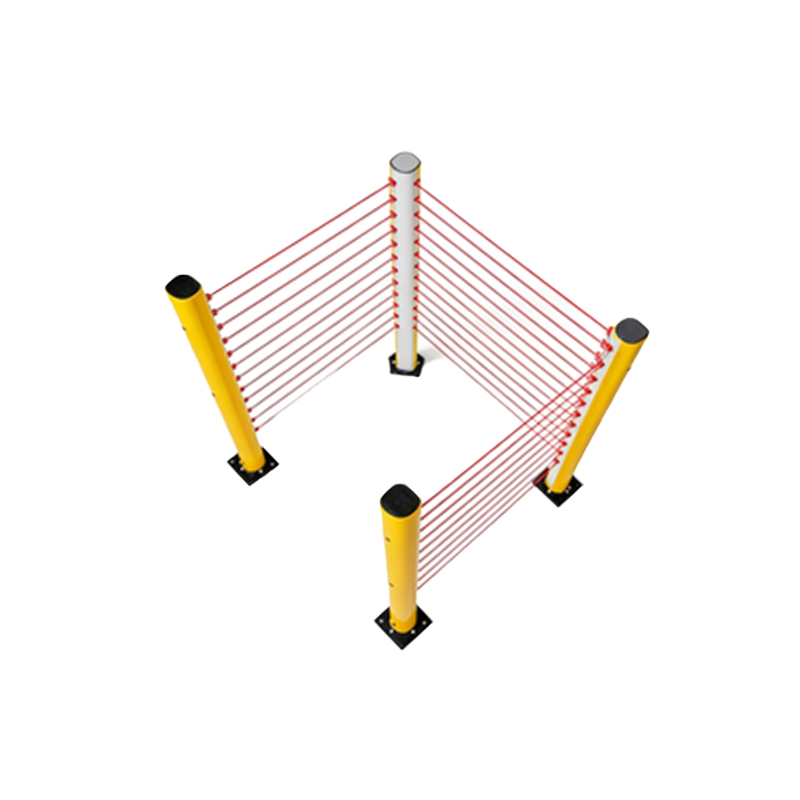
The versatility of Guangning photoelectric sensors makes them indispensable across numerous industries. In manufacturing and packaging, they are used for object counting, jam detection, and verifying the presence of products on conveyor belts. Within the automotive sector, these sensors ensure precise positioning of robotic arms for welding and assembly. They play a critical role in material handling for palletizing, detecting fill levels in containers, and controlling gate operations. In the food and beverage industry, sensors with hygienic stainless-steel housings monitor production lines. Furthermore, they are essential for safety applications, such as creating light curtains to protect personnel around dangerous machinery. Their non-contact nature prevents product damage and minimizes maintenance, leading to increased operational efficiency and reduced downtime.
Advantages Over Other Sensing Technologies
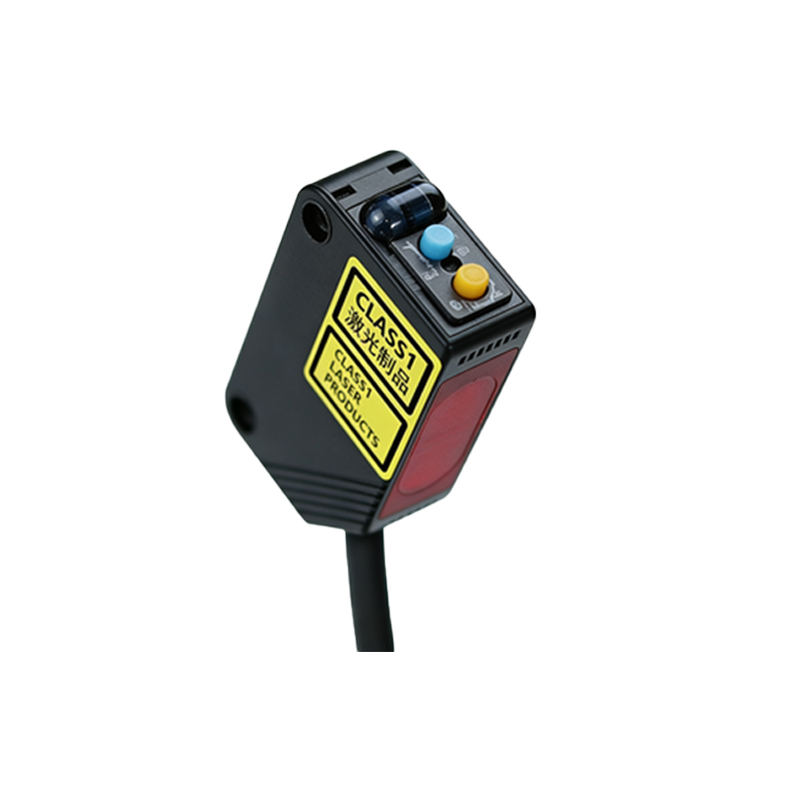
Compared to alternative sensing technologies like inductive, capacitive, or ultrasonic sensors, Guangning photoelectric sensors offer distinct benefits. Their primary advantage is the ability to detect virtually any material—metal, plastic, wood, glass, or liquid—as long as it affects the light beam. They provide exceptionally fast response times, suitable for high-velocity processes. Furthermore, they can achieve very long sensing distances, with some laser-based models detecting objects hundreds of meters away. The non-contact operation eliminates mechanical wear and tear, ensuring a long service life. While they can be susceptible to environmental factors like heavy dust, fog, or direct ambient light interference, many models are equipped with modulated light signals and specialized filters to mitigate these issues, ensuring stable performance in most industrial conditions.
Installation, Calibration, and Maintenance Best Practices
Proper installation is key to optimal sensor performance. It is crucial to align the transmitter and receiver accurately for through-beam and retro-reflective types. For diffuse sensors, the angle and distance to the target must be carefully considered. Mounting the sensor securely on a stable platform minimizes vibration-induced errors. Calibration, often simplified by built-in teach-in buttons or potentiometers, involves setting the sensitivity to reliably detect the target while ignoring background noise. Regular maintenance includes keeping the lens clean from dust, oil, or debris that could scatter or block the light beam. Periodically checking the alignment and verifying the output signal ensures continued reliability. Understanding the electrical connections, typically featuring PNP or NPN output configurations, and ensuring correct wiring to the PLC or control system is fundamental for integration.
Future Trends and Technological Evolution
The future of Guangning and similar photoelectric sensors is aligned with the broader trends of Industry 4.0 and smart manufacturing. We are witnessing the integration of IO-Link communication protocols, which transform simple sensors into intelligent devices capable of transmitting detailed diagnostic data, such as signal strength, operating temperature, and contamination levels, to higher-level control systems. This enables predictive maintenance, reducing unplanned stoppages. Furthermore, advancements in laser diode technology are yielding sensors with even smaller spot sizes and higher precision for micro-part detection. There is also a growing demand for sensors with enhanced resistance to extreme conditions and those designed for specific challenges, such as detecting transparent objects like glass or clear films, pushing the boundaries of photoelectric sensing technology.