Introduction to Photoelectric Sensors
Photoelectric sensors are pivotal components in modern industrial automation, leveraging light beams to detect the presence, absence, or distance of objects. These devices operate by emitting a light source—typically infrared, visible, or laser—and measuring changes in the received light intensity or time-of-flight. Their non-contact nature ensures minimal wear and tear, making them ideal for high-speed production lines, packaging systems, and robotic guidance. The core principle involves converting optical signals into electrical outputs, enabling seamless integration with control systems like PLCs. As industries increasingly adopt smart manufacturing, the demand for reliable and precise photoelectric sensors continues to grow, driven by their versatility in diverse environments, from clean rooms to harsh factory floors.
Key Components of Photoelectric Sensors
A photoelectric sensor comprises several essential parts that work in unison to achieve accurate detection. The light emitter, often an LED or laser diode, generates the initial beam. For instance, infrared LEDs are common due to their energy efficiency and resistance to ambient light interference. The receiver, typically a phototransistor or photodiode, captures the reflected or transmitted light. Advanced sensors may include a lens system to focus the beam, enhancing range and precision. The housing, constructed from materials like stainless steel or rugged plastics, protects internal electronics from dust, moisture, and mechanical shocks. Additionally, signal processing circuitry amplifies and filters the received signal, while output modules (e.g., NPN/PNP transistors or relay contacts) interface with external devices. Some models incorporate microcontrollers for programmable functions, such as sensitivity adjustment or background suppression.
Types and Operating Modes
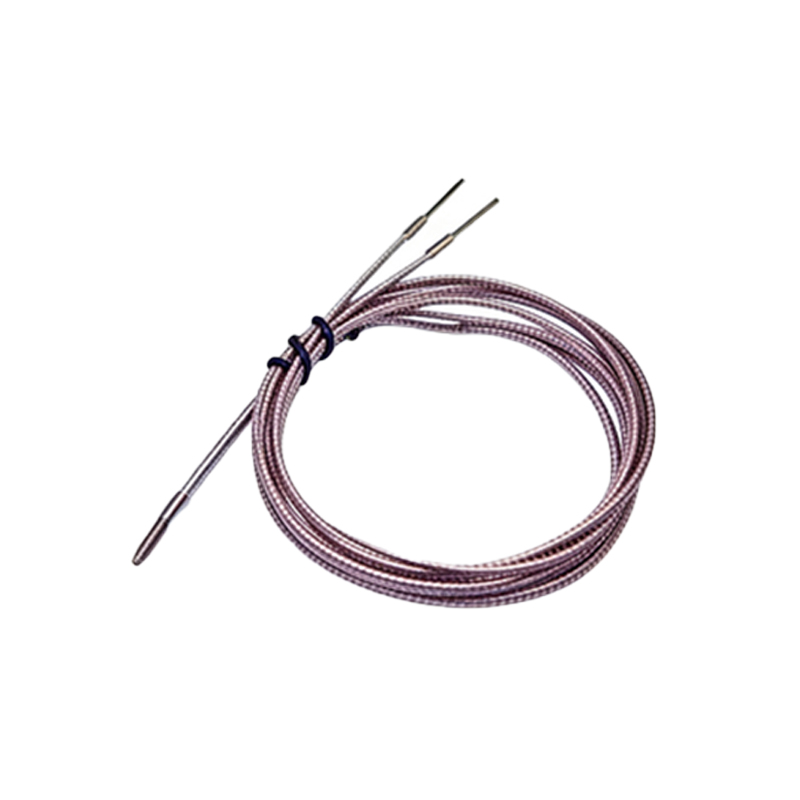
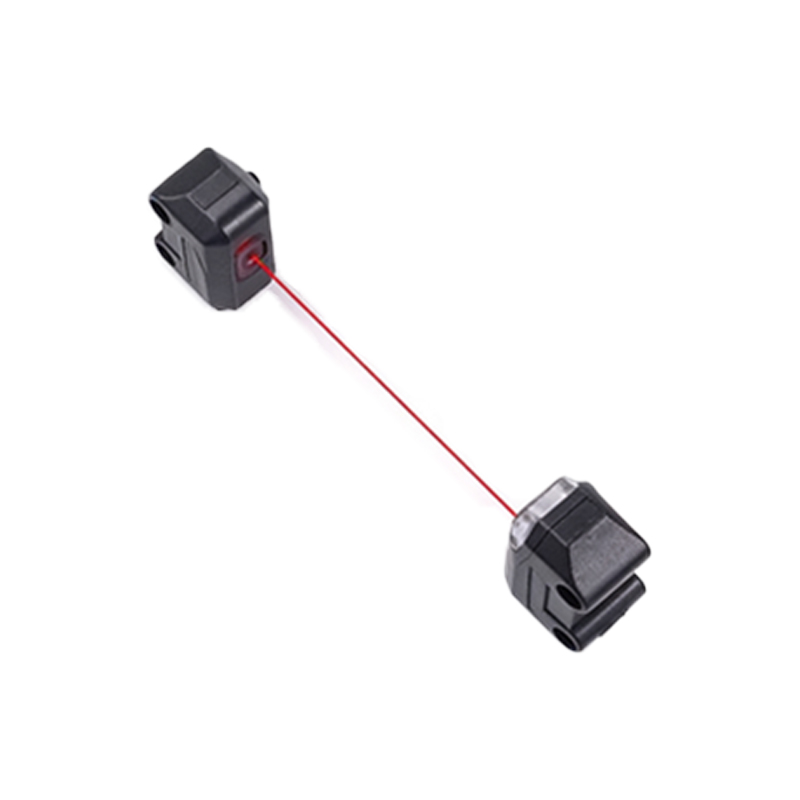
Photoelectric sensors are categorized based on their operating modes, each suited to specific applications. Through-beam sensors use separate emitter and receiver units, offering long-range detection and high accuracy by measuring light interruption. Reflective sensors combine emitter and receiver in one housing, relying on a reflector to bounce light back; they are easier to install but may be affected by surface reflectivity. Diffuse sensors detect objects directly by measuring scattered light, ideal for close-range tasks like counting items on a conveyor. Background suppression sensors utilize triangulation to ignore distant surfaces, ensuring consistent performance regardless of object color or texture. Furthermore, fiber-optic variants allow sensing in tight spaces or extreme temperatures by transmitting light through flexible cables. Each type balances factors like range, response time, and environmental robustness.
Technical Characteristics and Performance Metrics
The effectiveness of photoelectric sensors hinges on key technical parameters. Sensing range defines the maximum distance for reliable detection, varying from millimeters to hundreds of meters based on design. Response time, often in microseconds, determines how quickly the sensor reacts to changes, critical for high-speed automation. Repeatability ensures consistent outputs under identical conditions, while hysteresis prevents output chatter near threshold points. Environmental ratings, such as IP67 for dust and water resistance or NEMA ratings for industrial use, indicate durability. Electrical characteristics include supply voltage (e.g., 10-30 VDC) and output current capacity. Advanced features like teach-in programming allow on-site calibration, and IO-Link compatibility enables digital communication for real-time diagnostics. These metrics collectively influence selection for applications like material handling or quality inspection.
Advantages in Industrial Settings
Photoelectric sensors offer distinct benefits that enhance operational efficiency. Their non-contact operation eliminates physical wear, reducing maintenance costs and downtime. High-speed detection supports fast-paced production lines, with some models achieving response times under 1 ms. Versatility is another strength, as they can detect various materials—metals, plastics, glass—regardless of conductivity. Compact designs facilitate installation in space-constrained areas, while rugged builds withstand vibrations, temperature fluctuations, and chemical exposure. Energy-efficient LEDs prolong lifespan, often exceeding 100,000 hours. Moreover, integration with Industry 4.0 systems allows predictive maintenance through data analytics. For example, in automotive assembly, sensors ensure precise part positioning, while in logistics, they enable accurate package sorting. These advantages make them indispensable for modern automation.
Challenges and Considerations
Despite their strengths, photoelectric sensors face limitations that require careful application. Ambient light interference, such as sunlight or factory lighting, can cause false triggers; using modulated light or spectral filters mitigates this issue. Surface properties—like glossiness or transparency—may affect reflectivity, necessitating sensor type selection or sensitivity tuning. Environmental factors like fog, dust, or steam can scatter light beams, reducing reliability; enclosures or air purging systems help maintain performance. Electrical noise in industrial settings might disrupt signals, requiring shielded cables or noise-resistant designs. Cost can be a factor for high-precision models, though long-term savings from reduced downtime often justify investment. Regular calibration and alignment are essential, especially in dynamic setups. Understanding these challenges ensures optimal deployment across industries.
Future Trends and Innovations
The evolution of photoelectric sensors aligns with technological advancements in automation. Miniaturization is driving smaller, more powerful sensors for compact robotics and IoT devices. Enhanced connectivity, via protocols like IO-Link or Ethernet-APL, enables seamless data exchange with cloud platforms for smart monitoring. Artificial intelligence integration allows adaptive sensing, where sensors learn from environmental changes to self-adjust parameters. Multi-spectral sensors combining visible and infrared bands improve material discrimination. Energy harvesting techniques, such as solar-powered units, support sustainable operations. Additionally, 3D sensing capabilities are emerging for complex tasks like volumetric measurement. As industries embrace digital twins and autonomous systems, photoelectric sensors will play a crucial role in enabling real-time, accurate feedback loops, fostering safer and more efficient workflows.