Introduction to Photoelectric Sensing
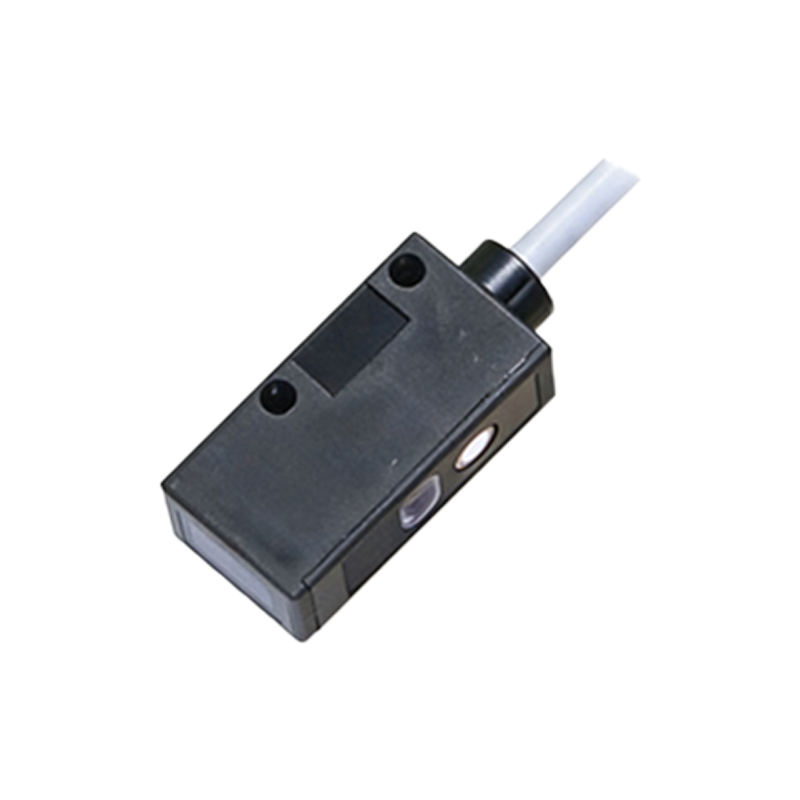
Photoelectric sensors are fundamental components in modern industrial automation, used for detection, counting, and positioning tasks. They operate by emitting a light beam, typically from an LED or laser diode, and detecting the presence, absence, or intensity of the reflected or transmitted light. The core principle relies on the precise measurement of light received by the sensor's receiver. This measurement, however, is not conducted in a vacuum. The operating environment invariably contains various sources of ambient light, which can introduce significant interference, affecting the sensor's reliability and accuracy. Understanding and mitigating this impact is crucial for ensuring robust system performance.
Sources and Characteristics of Ambient Light
Ambient light encompasses all external light present in the sensor's environment that is not part of the sensor's own emitted signal. Common sources include sunlight, which is broad-spectrum and highly variable in intensity; industrial lighting such as fluorescent, LED, or incandescent fixtures; and light from other machinery or processes, including welding arcs or furnace glow. These sources differ in spectral composition (wavelength), intensity, and modulation frequency. For instance, sunlight is continuous (DC), while many artificial lights, especially fluorescent lamps powered by AC, exhibit a 50/60Hz or 100/120Hz flicker. This variability makes ambient light a complex and dynamic form of interference.
Mechanisms of Interference
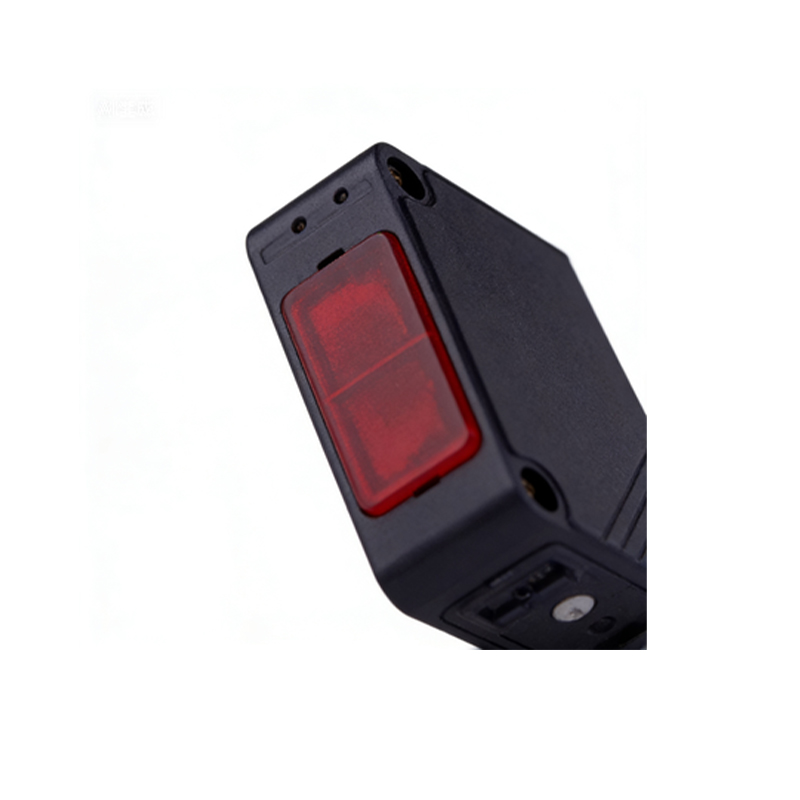
Ambient light interferes with photoelectric sensors through several mechanisms. The primary issue is signal saturation. If the ambient light intensity is too high, it can flood the sensor's photodetector, preventing it from distinguishing the modulated signal from the sensor's own emitter. This can cause false triggers or a failure to detect an object. Secondly, ambient light can introduce noise into the received signal. The photodetector converts all incident photons into electrical current, including those from unwanted sources. This noise reduces the signal-to-noise ratio (SNR), making it harder for the sensor's circuitry to accurately interpret the true signal, especially at long ranges or with low-reflectivity targets.
Sensor Technologies and Ambient Light Rejection
Manufacturers employ various technologies to combat ambient light interference. A key method is optical filtering. By using a lens filter that matches the wavelength of the emitter (e.g., 880nm for infrared), the sensor can block a significant portion of visible ambient light. The most effective technique is modulation/demodulation. The sensor's light source is pulsed at a specific high frequency (e.g., several kHz). The receiver's circuitry is tuned to respond only to light modulated at that exact frequency, effectively ignoring steady-state (DC) ambient light and low-frequency AC flicker from lights. Advanced sensors also feature automatic sensitivity adjustment or background suppression algorithms to dynamically adapt to changing light conditions.
Practical Mitigation Strategies in Application
Beyond built-in technologies, proper application design is vital. Sensor selection is the first step. For harsh environments with intense sunlight or artificial light, choose sensors with high ambient light immunity ratings, often specified in lux. Physical shielding is highly effective; using tubular housings, sunshades, or baffles to cast a shadow over the sensor's lens can dramatically reduce direct ambient light exposure. Careful orientation is also important; avoid pointing the sensor directly at windows or bright light sources. For diffuse or retro-reflective sensors, ensuring the background behind the target is dark and non-reflective minimizes stray light reflections that could be misinterpreted.
Testing and Validation Under Real Conditions
It is insufficient to rely solely on datasheet specifications. System integrators must validate sensor performance under actual or simulated operating conditions. This involves testing the sensor installation at different times of day to account for changing sunlight angles and intensity. Testing should also include the cycling of all nearby industrial lighting and machinery. Using an ambient light meter to quantify the lux level at the sensor head during these tests provides objective data. If issues arise, solutions may include relocating the sensor, adding supplemental shielding, or switching to a different sensing mode (e.g., from retro-reflective to through-beam, which is generally more immune to ambient light).
Conclusion and Best Practices
Ambient light is an ever-present challenge in photoelectric sensing applications. Its impact ranges from reduced sensing range and accuracy to complete operational failure. Successful implementation requires a multi-faceted approach: selecting a sensor with robust modulation technology and appropriate optical filtering, applying sound mechanical design principles for shielding, and conducting thorough on-site validation under real-world conditions. By proactively addressing ambient light interference, engineers can ensure the long-term reliability, stability, and precision of their automated systems, minimizing downtime and maintenance costs. Continuous advancements in sensor technology promise even greater immunity, but fundamental application knowledge remains indispensable.