Introduction to Photoelectric Sensors
Photoelectric sensors are indispensable components in modern industrial automation, utilizing light beams to detect the presence, absence, or distance of objects. Their applications span across manufacturing, packaging, material handling, and safety systems. The core principle involves an emitter projecting a light beam—often infrared, visible red, or laser—toward a receiver. The sensor then interprets changes in the received light signal caused by an object interrupting or reflecting the beam. Key advantages include non-contact operation, high precision, long sensing ranges, and fast response times. Selecting a reliable brand is crucial for ensuring performance, durability, and compatibility within complex automation environments.
Key Selection Criteria for Brands
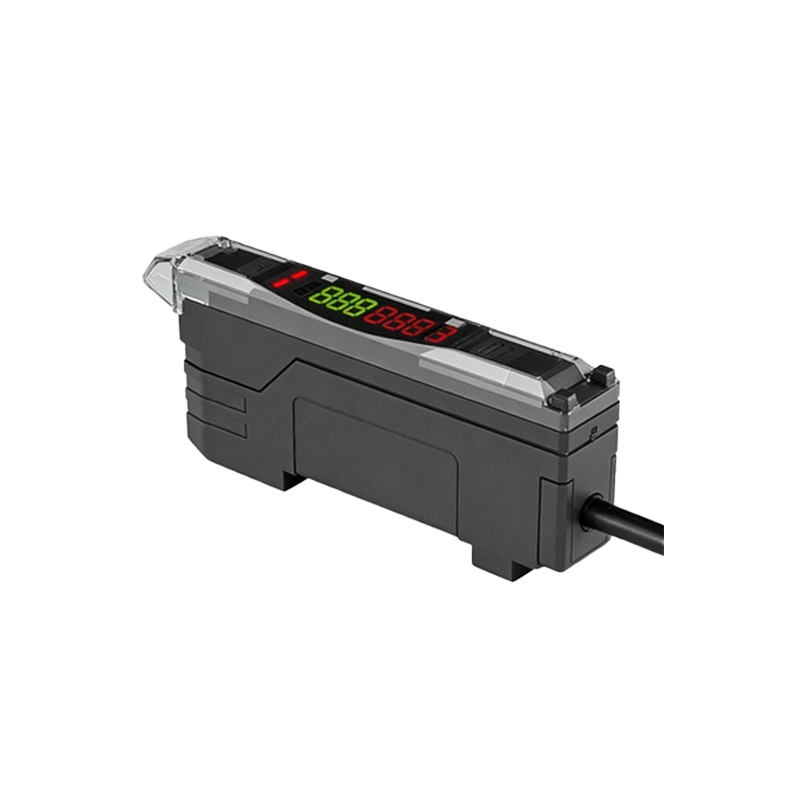
When evaluating photoelectric sensor brands, several technical and commercial factors come into play. Performance specifications such as sensing range, response time, light source type, and environmental ratings (IP, NEMA) are primary considerations. The product range's breadth—including diffuse, retro-reflective, through-beam, and background suppression models—indicates a brand's capability to address diverse applications. Compatibility with industry-standard mounting systems, connectivity options (IO-Link, analog outputs), and ease of integration into PLC networks are vital. Furthermore, global support, warranty terms, and the availability of technical documentation significantly influence long-term reliability and maintenance efficiency in operational settings.
Omron: Precision and Innovation Leader
Omron Electronics stands as a global powerhouse in sensor technology, renowned for its innovative and highly reliable photoelectric sensors. The brand's E3Z and E3JM series, for example, offer exceptional performance in compact housings, suitable for space-constrained installations. Omron emphasizes advanced features like built-in amplifiers, precise background suppression, and robust designs resistant to harsh conditions including washdowns and extreme temperatures. Their sensors often incorporate smart functions such as teach-in capabilities and diagnostics via IO-Link, facilitating predictive maintenance. Omron's strength lies in a relentless R&D focus, delivering sensors that enhance automation efficiency with minimal downtime, backed by a comprehensive global service network.
Keyence: High-Performance and Advanced Solutions
Keyence Corporation is synonymous with cutting-edge, high-performance photoelectric sensors, often setting industry benchmarks. Their product lines, such as the PZ and FX series, are celebrated for ultra-long sensing distances, unparalleled accuracy, and innovative beam alignment tools that simplify setup. Keyence sensors frequently integrate advanced technologies like digital fiber optics, CMOS laser systems, and sophisticated algorithms to ignore troublesome backgrounds or detect minute objects. The brand excels in providing application-specific solutions, from detecting transparent films to precise positioning in electronics assembly. While often positioned at a premium, Keyence's products justify the investment through superior reliability, reduced commissioning time, and extensive technical support.
Sick: Robustness for Demanding Environments
Sick AG is a German engineering leader specializing in sensor solutions for demanding industrial applications. Their photoelectric sensor portfolio is built on a foundation of robustness, longevity, and precision. Series like the WTT (through-beam) and W4 (diffuse) are engineered to withstand severe shocks, vibrations, continuous operation, and exposure to dust, moisture, and chemicals. Sick is particularly strong in logistics, automotive, and heavy industry sectors. Many of their sensors feature enhanced diagnostic functions, customizable parameters, and seamless integration into Industry 4.0 architectures. The brand's commitment to quality and safety certifications makes it a preferred choice for critical processes where failure is not an option.
Balluff: Versatility and System Integration
Balluff GmbH excels in providing versatile photoelectric sensors that emphasize easy integration into broader automation systems. Known for their modular BOS series, Balluff offers a wide array of housing styles, sensing modes, and connector types, allowing for high customization. Their sensors are designed with user-friendly features like visible beam spots, intuitive teach buttons, and clear status indicators. A significant strength is their proficiency in IO-Link technology, turning standard sensors into smart devices that communicate detailed process data. This facilitates condition monitoring, parameter cloning, and centralized management. Balluff is a go-to brand for engineers seeking flexible, network-ready solutions in packaging, assembly, and robotic cell applications.
Rockwell Automation (Allen-Bradley): Ecosystem Synergy
Rockwell Automation, under its iconic Allen-Bradley brand, offers photoelectric sensors optimized for seamless operation within its integrated control and information ecosystem. Products like the 42AF RightSight series are designed for straightforward integration with Rockwell PLCs, HMIs, and software suites such as Studio 5000. This synergy reduces engineering time, simplifies troubleshooting, and ensures reliable communication across the automation layer. While the sensor technology itself is solid and reliable, the primary advantage is the holistic system compatibility, which is highly valued in large-scale North American manufacturing plants running complete Rockwell architecture for control and visualization.
Panasonic: Reliability and Cost-Effectiveness
Panasonic Industry offers a compelling balance of reliability, performance, and cost-effectiveness in its photoelectric sensor range. Series like the EX-10 (ultra-small) and PM (general-purpose) provide dependable detection for a vast spectrum of common industrial tasks. Panasonic sensors are known for their stable operation, good noise immunity, and durability. They often include practical features such as sensitivity adjusters and stable detection indicators. The brand serves as a strong alternative for applications where top-tier premium features are not essential, but consistent quality and value are paramount. Their widespread availability and competitive pricing make them a popular choice for OEMs and system integrators globally.
Conclusion and Brand Comparison
Selecting the optimal photoelectric sensor brand hinges on specific application requirements, environmental conditions, and system architecture. Omron and Keyence lead in technological innovation and precision for challenging detection tasks. Sick is the benchmark for robustness in harsh environments. Balluff excels in versatility and smart sensor integration, while Rockwell Automation provides unmatched synergy within its own control ecosystem. Panasonic delivers reliable, cost-effective solutions for standard applications. Engineers are advised to consult technical datasheets, utilize sample testing, and consider total cost of ownership—including maintenance and support—when making a final selection to ensure optimal performance and longevity in their automation projects.