Understanding Photoelectric Sensor Fundamentals
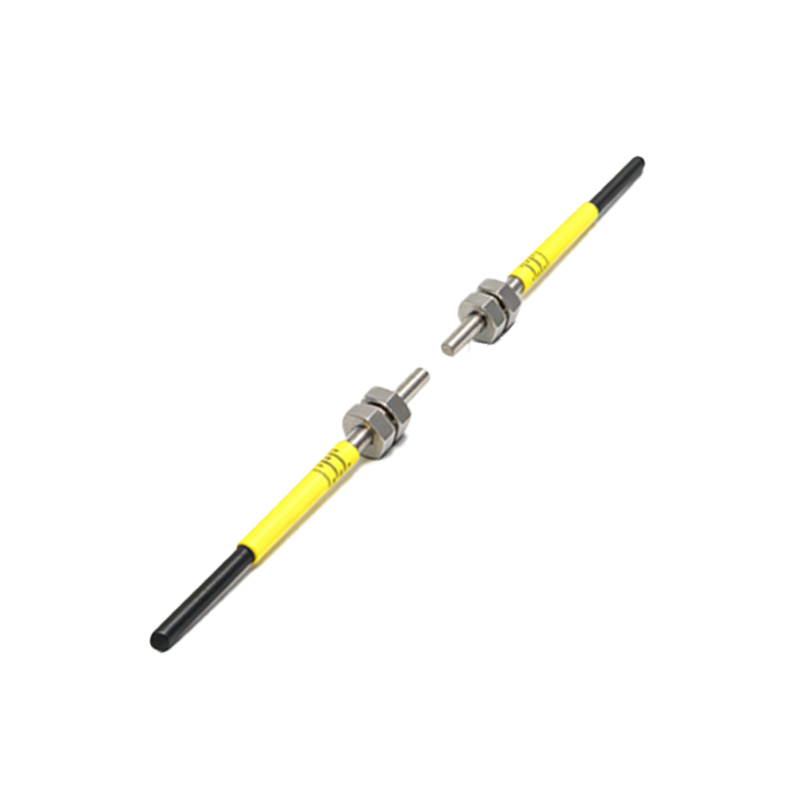
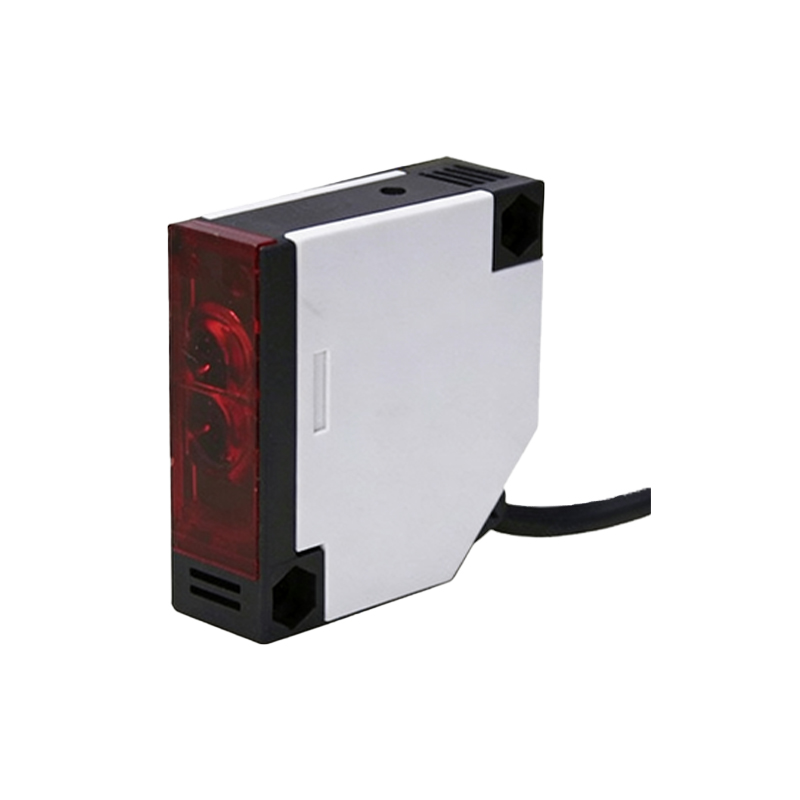
Photoelectric sensors are indispensable tools in modern industrial automation, offering non-contact detection of objects based on the modulation of a light beam. At their core, they consist of an emitter (light source) and a receiver. The emitter projects a light beam—commonly visible red, infrared, or laser—towards the receiver. The sensor's output signal changes state when the target object interrupts or reflects this beam. The primary operating principles are through-beam, retro-reflective, and diffuse (proximity) sensing. Through-beam sensors, with separate emitter and receiver units, provide the longest sensing ranges and highest reliability. Retro-reflective types use a single housing and a reflector, offering a good balance of range and ease of installation. Diffuse sensors detect the light reflected directly from the target object itself, making them compact and ideal for close-range applications where mounting a separate receiver or reflector is impractical.
Key Selection Criteria: Sensing Mode and Range
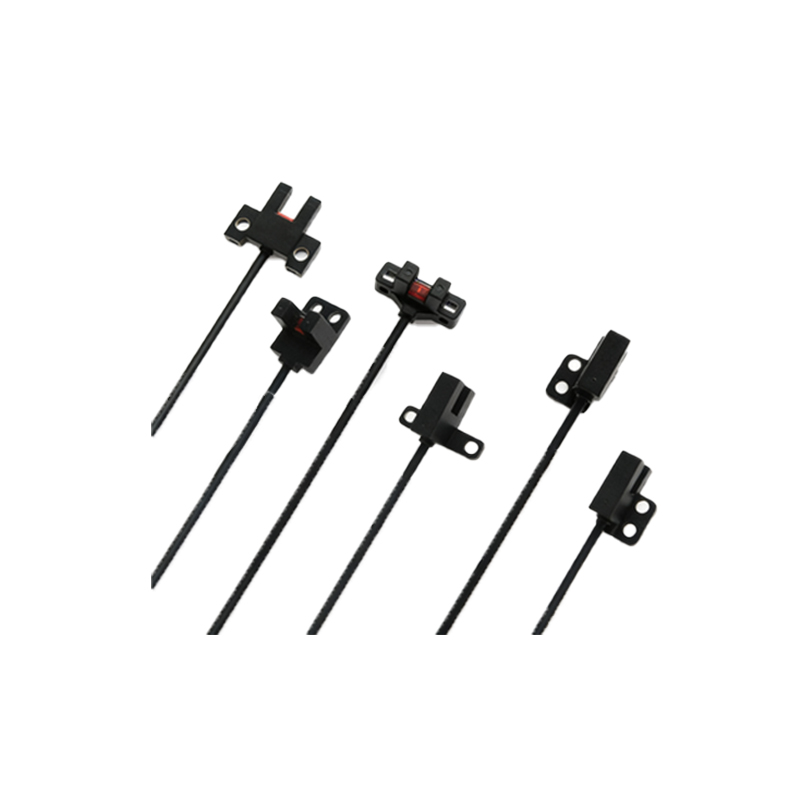
The first critical step in model selection is determining the appropriate sensing mode based on your application's physical constraints and requirements. For long-range detection (up to tens of meters) or in environments with potential contamination like dust or mist, a through-beam sensor is often the most robust choice. If the installation space allows for only one device on one side of the target, a retro-reflective sensor is suitable, though it may be fooled by highly reflective objects. For detecting objects at short distances or when the object must be sensed on the same side, a diffuse sensor is necessary. Within diffuse sensing, background suppression and foreground suppression models are available to ignore objects beyond or before a specific set distance, adding precision. Always consult the sensor's datasheet for the rated sensing distance (Sn) and ensure a 20-30% safety margin is applied to account for environmental variables and object color variations.
Evaluating Environmental and Object Factors
The operating environment drastically influences sensor performance and longevity. Key factors include ambient light, temperature, humidity, and the presence of contaminants like oil, coolant, or welding sparks. For high ambient light (sunlight or factory lighting), select sensors with modulated LED light and synchronous detection circuits to avoid interference. Harsh environments may require models with high IP (Ingress Protection) ratings (e.g., IP67, IP69K) for dust and water resistance, or specialized housing materials resistant to chemicals. The target object's characteristics—size, color, material, surface finish (matte or glossy), and orientation—are equally crucial. A small, dark, or matte-black object absorbs light, reducing effective range, while a shiny object can cause specular reflection away from the receiver. Testing with actual samples under real conditions is highly recommended.
Electrical Output and Connection Requirements
Photoelectric sensors provide discrete digital outputs to interface with Programmable Logic Controllers (PLCs), relays, or other control systems. The primary output types are NPN (sourcing) and PNP (sourcing), which define the switching logic and current flow. The choice often depends on the regional standard or the input card of your controller; PNP is common in Europe, while NPN is frequent in Asia. Some regions use both interchangeably. Additionally, select between normally open (NO) and normally closed (NC) contact configurations based on the required safety logic. For analog or serial communication data (like measuring distance or intensity), analog-output or IO-Link enabled sensors are available. Power supply voltage (commonly 10-30V DC or 90-250V AC) and connection style (pre-wired cable, quick-disconnect M8/M12 connector) must match your system's infrastructure for seamless integration.
Special Features and Advanced Functionalities
Modern photoelectric sensors offer advanced features to solve complex application challenges. For precise positioning or edge detection, laser-based sensors with a focused, visible beam spot are ideal. Fiber optic sensors, which use flexible light guides connected to an amplifier, are perfect for extremely tight spaces, high-temperature zones, or areas with high electromagnetic interference. Sensors with teach-in functionality allow for easy setup by simply presenting the target to the sensor. For demanding tasks like detecting transparent films, bottles, or labels, polarized retro-reflective or clear object detection sensors are specifically designed. Furthermore, models with built-in diagnostics, such as stability indicators or contamination warning LEDs, facilitate predictive maintenance and reduce downtime.
Finalizing Your Model Selection Process
A systematic approach ensures the optimal sensor choice. Begin by clearly defining the application: What is the object? What is the required sensing distance? What are the environmental conditions? Next, narrow down the sensing mode. Then, filter available models by key specifications: sensing range, environmental ratings (IP, temperature), output type, and supply voltage. Create a shortlist from reputable manufacturers known for quality and support. Finally, prototype and test the top candidates in the actual application setup. Consider not only the initial purchase price but also the total cost of ownership, which includes installation time, reliability, maintenance needs, and compatibility with existing systems. The right model is one that delivers consistent, reliable performance over its entire service life in your specific operating context.