Introduction to Short-Type Proximity Sensors
Short-type proximity sensors represent a specialized category within the vast field of industrial automation sensing technology. Characterized by their compact, often cylindrical or rectangular form factors with minimal sensing face dimensions, these devices are engineered for applications where space is at a premium. Unlike their standard counterparts, short-type sensors are designed to be mounted in tight cavities, narrow machine slots, or directly onto small moving components. Their primary function remains unchanged: to detect the presence or absence of a metallic or, in some variants, non-metallic target without physical contact. This non-contact operation is based on electromagnetic or capacitive principles, ensuring high reliability, long operational life, and immunity to mechanical wear. The demand for miniaturization in modern machinery, from high-speed packaging lines to precision robotic arms, has driven the evolution and widespread adoption of these compact sensing solutions.
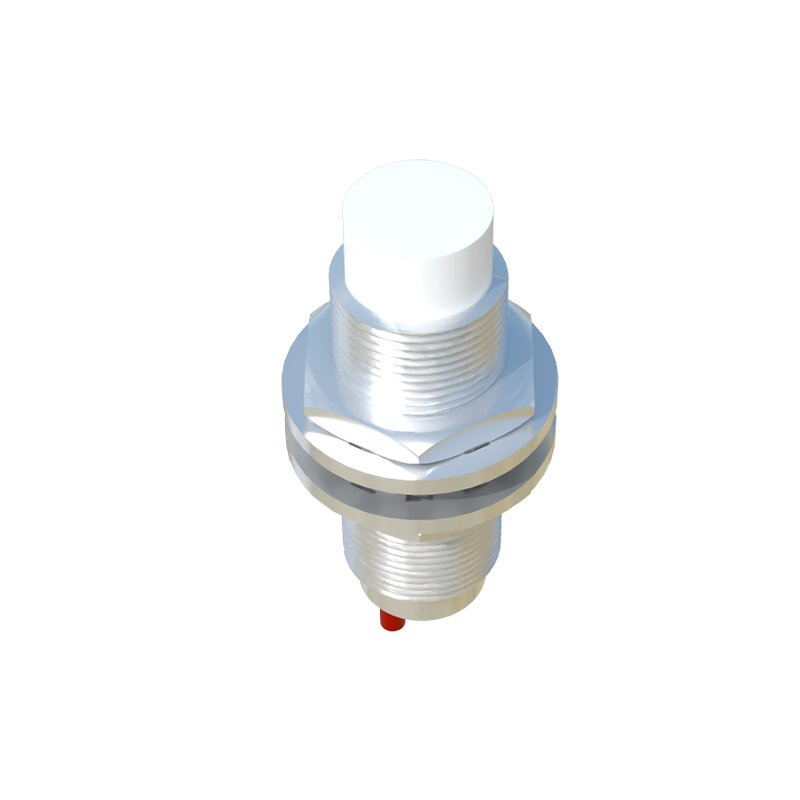
Core Design and Operating Principles
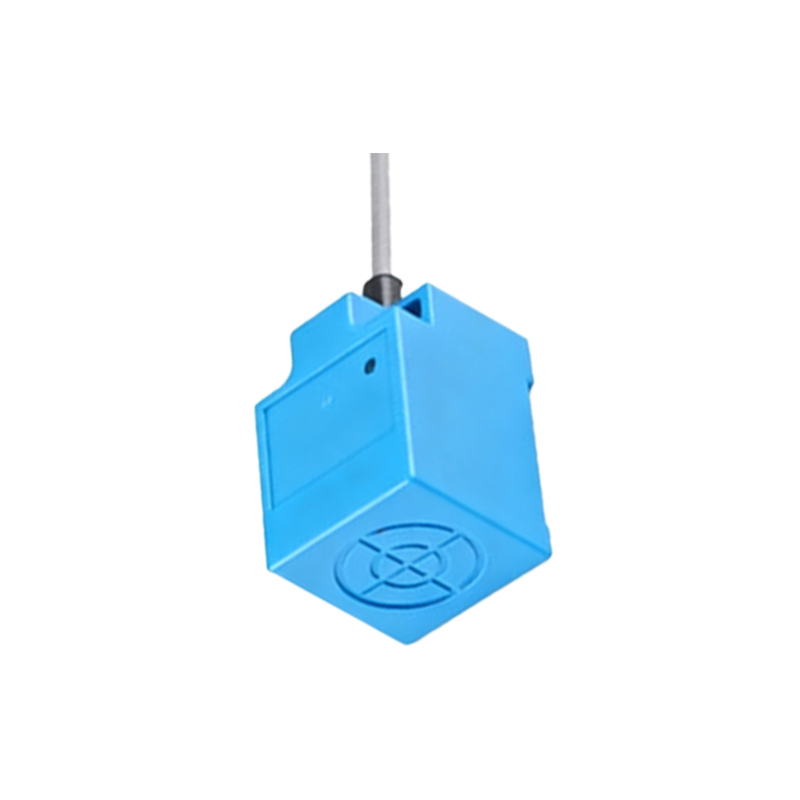
The production of short-type proximity sensors begins with a deep understanding of their core operating principles. The majority are inductive sensors, generating a high-frequency electromagnetic field from a coil housed within a ferrite core at the sensing face. When a conductive metal target enters this field, eddy currents are induced, causing a change in the oscillation amplitude. This change is detected by the sensor's internal circuitry, triggering a solid-state output switch. For capacitive short-type sensors, the principle involves detecting changes in capacitance caused by the proximity of any material, metallic or non-metallic, altering the dielectric constant. The extreme miniaturization challenge lies in integrating this oscillator coil or capacitive plate, the associated oscillation and detection circuitry, and the output stage into a housing sometimes less than 4mm in diameter. Advanced PCB design, surface-mount technology (SMT) for micro-components, and precision winding of miniature coils are fundamental to this stage.
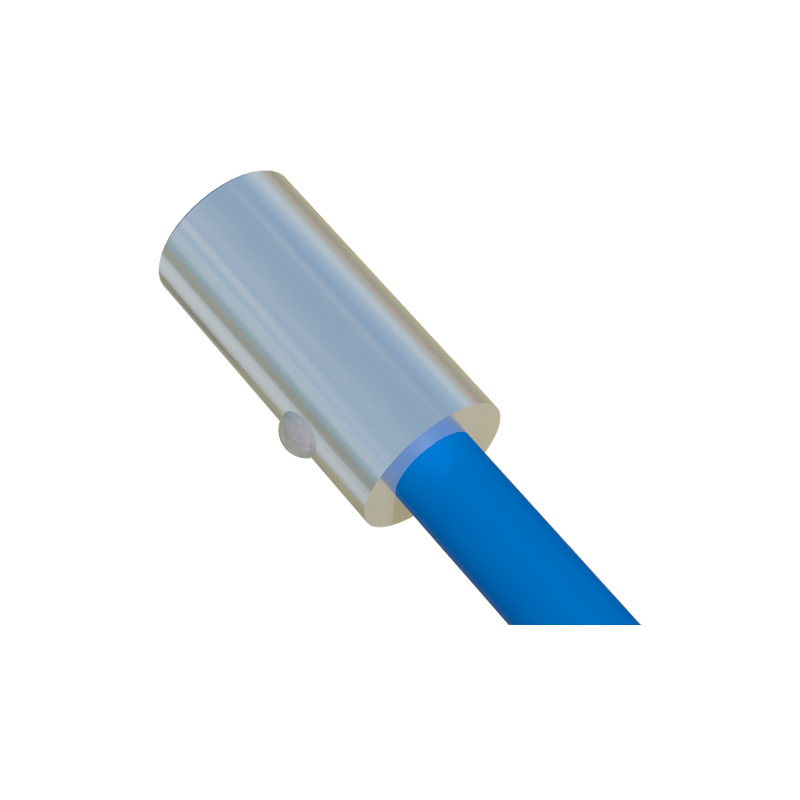
Material Selection and Component Fabrication
Material science is critical in short-type sensor production. The housing is typically manufactured from high-grade stainless steel (e.g., 303, 304, or 316 for corrosive environments) or nickel-plated brass, providing mechanical robustness, shielding from external electromagnetic interference (EMI), and environmental protection. The sensing face is a specially engineered polymer, often PBT or PPS, which allows the electromagnetic field to pass through while being resistant to chemicals, oils, and physical abrasion. Internally, the ferrite core must be of exceptional quality to maintain a stable and sensitive magnetic field in a tiny volume. The production of these cores involves precise sintering of iron oxide powders. The electronic components, including application-specific integrated circuits (ASICs) designed for low power consumption and high noise immunity, are sourced and subjected to rigorous incoming quality control.
Precision Assembly and Manufacturing Process
The assembly process for short-type sensors is a testament to precision micro-engineering. It is highly automated to ensure consistency and quality. The process typically follows these steps: First, the miniature coil is wound and precisely positioned within the sensor head assembly. This sub-assembly is then integrated with the pre-programmed ASIC and other SMT components on a flexible or rigid micro-PCB. This electronic core is carefully inserted into the machined metal housing. A critical step is the potting process, where the internal cavity is filled with a thermally conductive, epoxy-based potting compound. This compound encapsulates the electronics, providing exceptional protection against vibration, shock, moisture, and thermal cycling. The sensor is then hermetically sealed, often using laser welding for the metal housing and ultrasonic welding for polymer end caps, ensuring IP67, IP68, or IP69K ratings. Finally, the cable or connector is attached, with strain relief features integrated to withstand constant flexing.
Calibration, Testing, and Quality Assurance
No sensor leaves the production line without undergoing stringent calibration and testing. Each unit is calibrated to its specified sensing distance (Sn), which is particularly challenging for short-type sensors due to their inherently small ranges (often 0.5mm to 2mm). Automated test stations apply precision-positioned standard targets (usually steel) to verify the switch-on and switch-off points, ensuring they fall within tight tolerances. Additional tests include hysteresis verification, temperature drift testing across the operational range (e.g., -25°C to 70°C), short-circuit and overload protection checks, and EMI/RFI immunity testing. Long-term endurance tests are conducted on sample batches, simulating millions of switching cycles to validate lifespan predictions. Quality assurance protocols, often aligned with ISO 9001 standards, govern every step, from raw material inspection to final packaging, ensuring every sensor delivers reliable performance in the field.
Application-Specific Variants and Customization
The production line often accommodates variants to meet diverse