Introduction to Photoelectric Sensors and AKEc Measurement
Photoelectric sensors are fundamental components in modern industrial automation, utilizing light beams to detect the presence, absence, or distance of objects. Among various performance metrics, the AKEc value stands as a critical parameter for engineers. AKEc, or Ambient Light Immunity, quantifies a sensor's ability to function accurately under intense ambient light conditions, such as direct sunlight or powerful artificial lighting. This measurement is not merely a technical specification but a decisive factor in ensuring reliability within harsh industrial environments. Without sufficient AKEc immunity, sensors may produce false triggers, leading to production errors, downtime, and safety hazards. Understanding and applying AKEc data is therefore essential for selecting the right sensor for an application, directly impacting system robustness and operational efficiency.
The Technical Principles Behind AKEc Evaluation
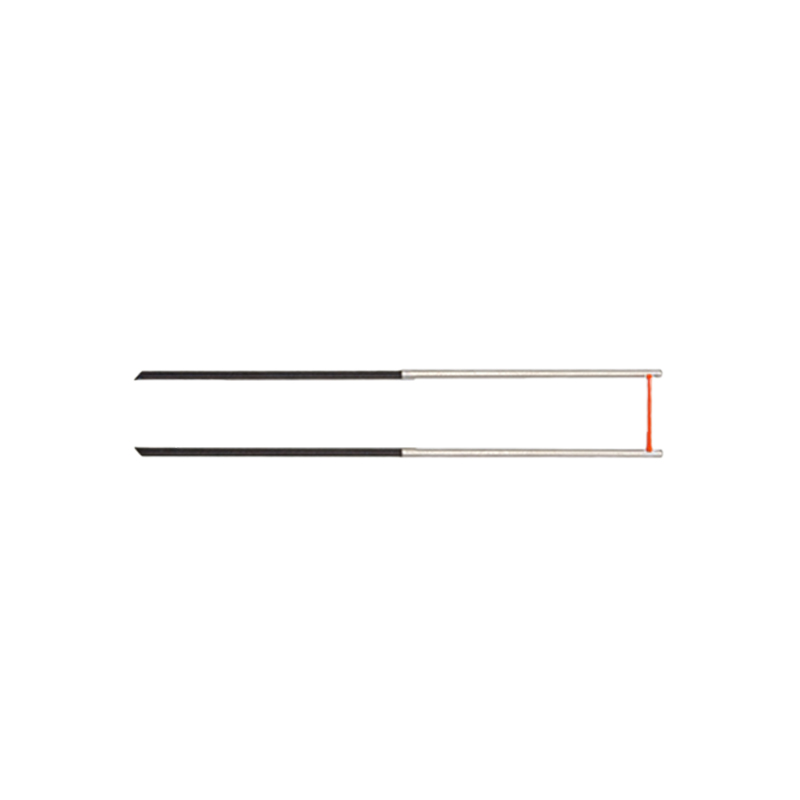
The core function of a photoelectric sensor involves emitting a modulated light signal—typically infrared, visible red, or laser—and detecting its reflection from a target. Ambient light acts as noise, potentially saturating the receiver and masking the true signal. The AKEc value is determined through standardized testing, where the sensor is exposed to controlled, high-intensity ambient light while performing its detection task. It is expressed in lux (lx), representing the maximum illuminance level of ambient light under which the sensor can maintain its specified switching function without error. A higher AKEc rating, such as 30,000 lx or more, indicates superior immunity. This performance is achieved through advanced optical design, specialized receiver filters, and sophisticated signal processing algorithms that distinguish the modulated sensor signal from constant or slowly varying ambient light.
Key Factors Influencing AKEc Performance
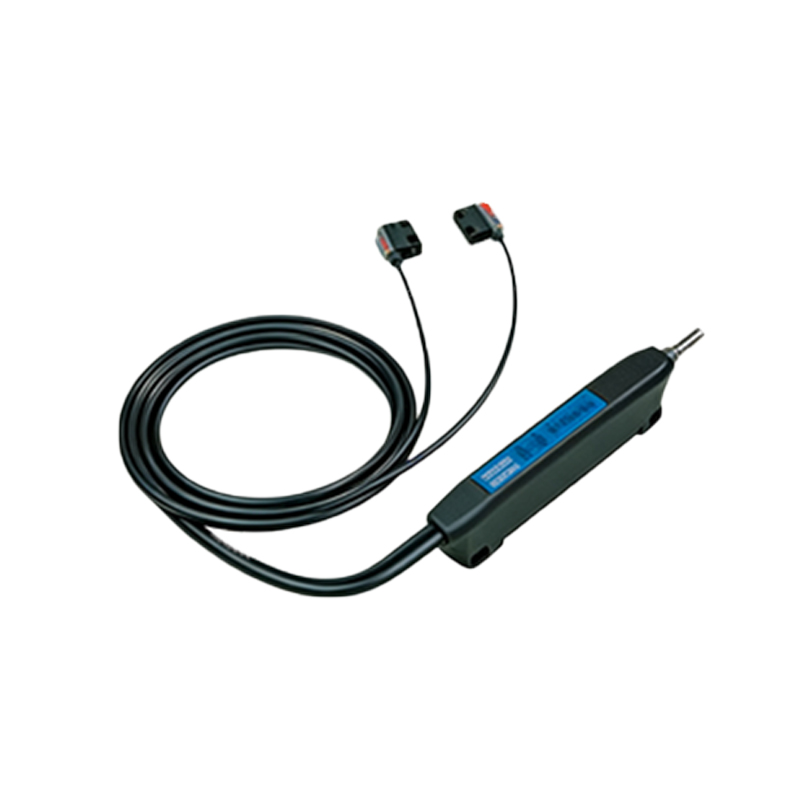
Several design and environmental factors directly affect a sensor's AKEc measurement. The wavelength of the emitted light is primary; infrared sensors often have different ambient light characteristics compared to visible red or laser types. The modulation frequency is equally crucial. A high-frequency modulated signal is easier for the receiver's electronics to differentiate from unmodulated ambient light. Optical components, including lenses and filters, are engineered to maximize the desired signal reception while attenuating specific ambient light spectra. Furthermore, the physical housing and alignment of the sensor play a role in shielding the receiver from oblique light sources. Environmental conditions like dust, fog, or temperature extremes can also indirectly influence performance by affecting optical clarity and electronic stability, thereby impacting the effective AKEc in the field.
Application Considerations for Optimal Sensor Selection
Selecting a photoelectric sensor based on AKEc requires a thorough analysis of the application environment. For outdoor applications, such as material handling in logistics yards or vehicle detection in traffic systems, sensors must withstand direct sunlight, which can exceed 100,000 lx. In these cases, sensors with the highest possible AKEc ratings are mandatory. Indoor industrial settings, like automotive assembly lines or packaging machinery with high-bay lighting, also present significant challenges. Engineers must measure or estimate the peak ambient illuminance at the sensor's location, considering reflections from shiny surfaces. A general rule is to choose a sensor with an AKEc value at least 1.5 to 2 times higher than the expected maximum ambient light level to ensure a sufficient safety margin and long-term reliability.
Testing and Validation in Real-World Scenarios
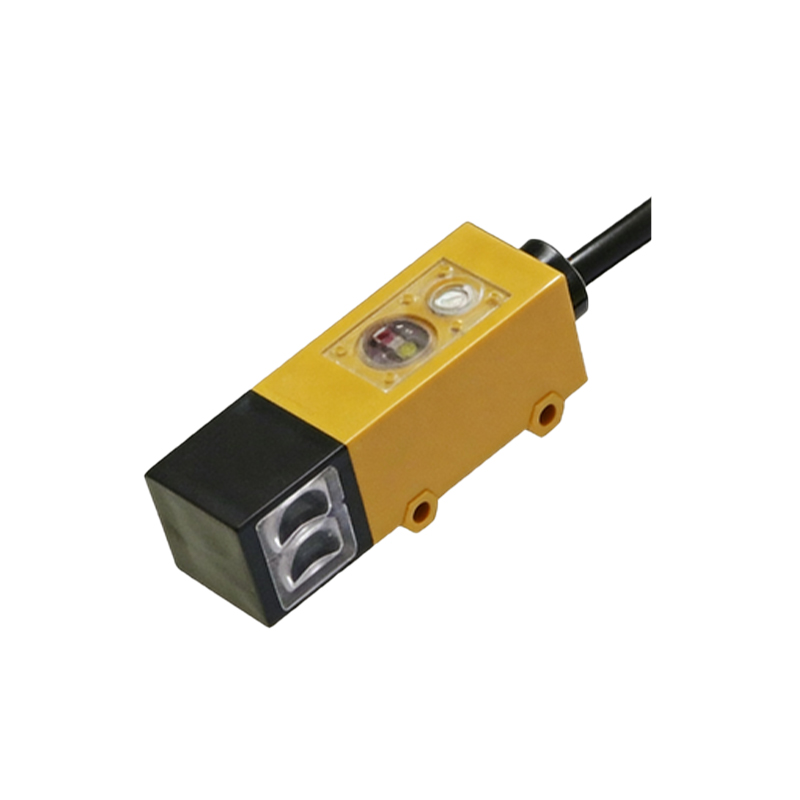
While datasheet AKEc values provide a baseline, real-world validation is indispensable. Laboratory tests use uniform light sources, but field conditions involve complex angles, spectral mixes, and dynamic changes. Commissioning engineers should perform on-site functional tests under the worst-case ambient light conditions expected during operation. This might involve testing at different times of the day for outdoor setups or with all facility lights activated for indoor installations. Additionally, monitoring for intermittent issues caused by passing shadows, reflective vehicles, or welding arcs nearby is critical. Such practical validation helps confirm that the chosen sensor's AKEc immunity is adequate and can prevent costly failures after system deployment.
Future Trends and Technological Advancements
The demand for higher AKEc performance continues to grow as automation expands into brighter and more unpredictable environments. Sensor manufacturers are responding with innovations in several areas. The development of more selective optical filters and the use of digital signal processing (DSP) allow for smarter discrimination of signals. Some advanced sensors now feature automatic gain control and adaptive modulation techniques that dynamically adjust to changing light conditions, effectively creating a higher functional AKEc. Furthermore, the integration of IoT capabilities enables predictive maintenance, where sensors can report degradation in performance due to lens contamination—a factor that reduces effective ambient light immunity—before a failure occurs. These advancements promise even greater resilience and intelligence in future photoelectric sensing solutions.