In the intricate world of industrial automation, precision, reliability, and safety are non-negotiable. Among the myriad of components that ensure these principles are upheld, proximity limit sensors stand as silent, yet indispensable, guardians. These devices, often unnoticed, play a critical role in monitoring and controlling the movement of machinery, preventing collisions, ensuring accurate positioning, and safeguarding both equipment and personnel.
A proximity limit sensor is a type of non-contact sensor designed to detect the presence or absence of an object within a specific range without any physical contact. When the target object enters the sensor's detection field, it triggers an electrical signal. This signal is then used to send a command to a control system, such as a Programmable Logic Controller (PLC), to initiate an action—most commonly, to stop or limit the movement of a machine part. This fundamental function is why they are termed "limit" sensors; they define the physical boundaries of motion.
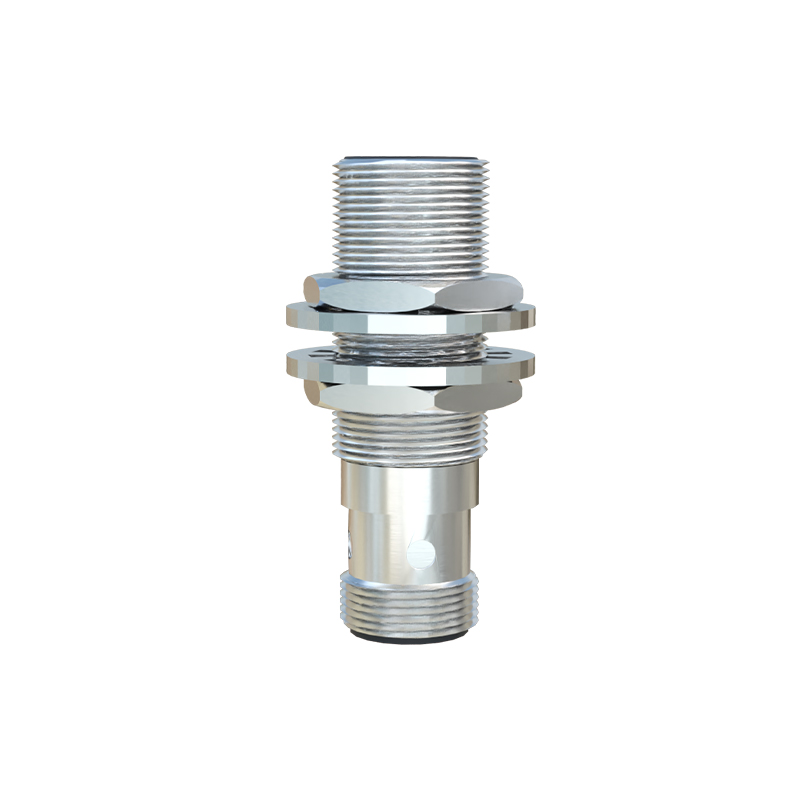
The operational principle varies based on the technology employed. The most common types include Inductive, Capacitive, Ultrasonic, and Photoelectric sensors. Inductive sensors are workhorses in metal-detection applications. They generate an electromagnetic field and detect the eddy currents induced in a metallic target. Highly robust and resistant to environmental factors like dust, oil, and coolant, they are ideal for harsh industrial environments like machining centers or stamping presses. Capacitive sensors, on the other hand, can detect both metallic and non-metallic materials (plastics, wood, liquids) by measuring changes in capacitance. This makes them suitable for level detection in tanks or presence detection of packaging materials.
Ultrasonic sensors use sound waves beyond the human hearing range. They measure the time taken for an emitted sound pulse to bounce back from a target, calculating distance. Excellent for detecting objects regardless of color, transparency, or material, they are used in challenging conditions with dust, smoke, or varying light. Photoelectric sensors utilize a light beam (often infrared) emitted from a transmitter. A receiver detects the beam; an object is sensed when it interrupts (through-beam mode) or reflects (retro-reflective or diffuse mode) this beam. They offer long detection ranges and are perfect for detecting small or fast-moving objects on assembly lines.
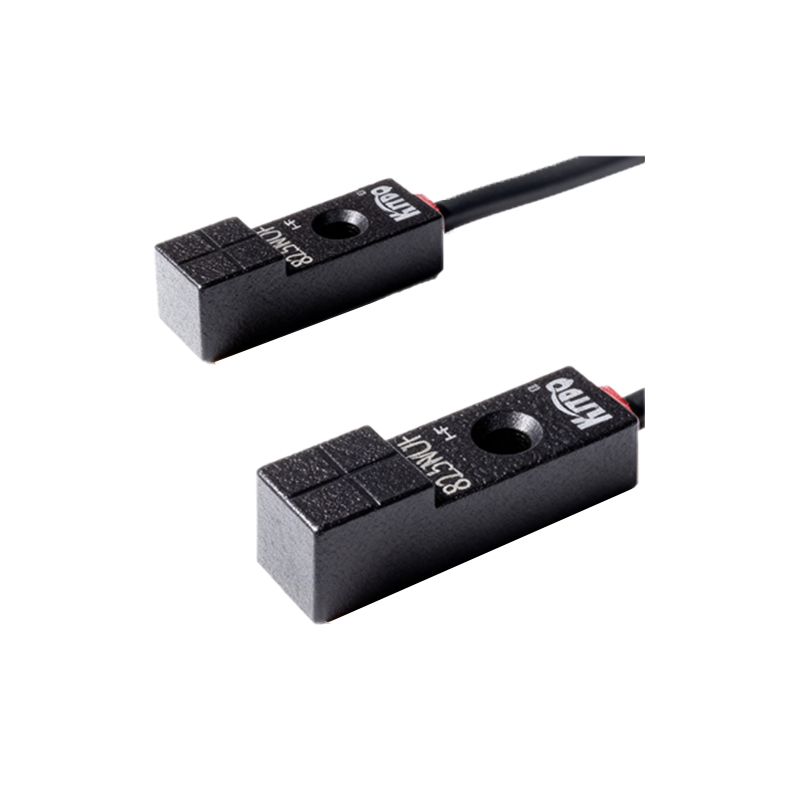
The applications of proximity limit sensors are vast and integral to modern manufacturing. On a robotic assembly line, they ensure a robotic arm stops precisely at the correct position to pick or place a component, preventing overtravel that could damage the arm or the product. In automated guided vehicles (AGVs), these sensors act as bumpers, detecting obstacles and triggering an immediate stop to avoid collisions. Within a CNC machine, limit sensors define the travel limits of the cutting tool on the X, Y, and Z axes, protecting the expensive drive mechanisms from catastrophic crashes. They are also fundamental in elevator systems, ensuring the cab stops accurately at floor level and that safety doors are properly closed before movement.
The benefits of implementing these sensors extend far beyond basic functionality. Primarily, they are a cornerstone of machine and operational safety. By physically preventing machinery from moving beyond its designed parameters, they protect both the capital investment in the equipment and, more importantly, the workers operating nearby. This directly contributes to compliance with stringent international safety standards like ISO 13849. Secondly, they enhance productivity and product quality. By enabling precise, repeatable positioning, they reduce errors, minimize waste from misaligned processes, and prevent costly downtime due to equipment damage. Their non-contact nature means no wear and tear from physical interaction, leading to exceptionally long service life and minimal maintenance.
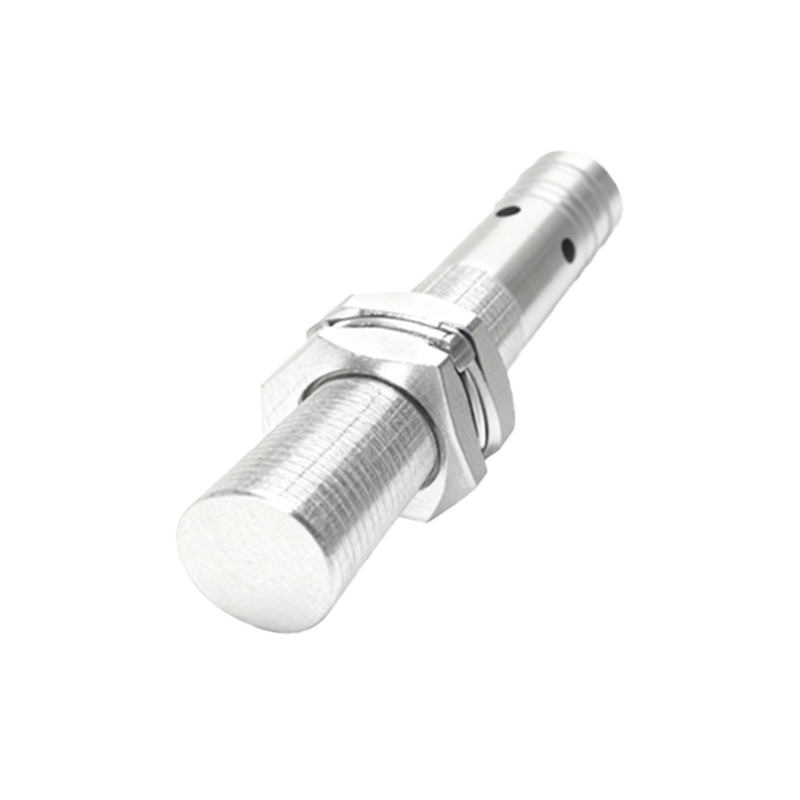
Selecting the right proximity sensor requires careful consideration of several factors. The material of the target object is paramount—inductive for metals, capacitive or ultrasonic for other materials. The required sensing distance, or range, must be specified, keeping in mind that manufacturers' stated ranges are for ideal conditions and a reduction factor is often applied. Environmental conditions are critical; sensors may need specific ingress protection (IP) ratings for dust and water resistance, or special housing to withstand high temperatures, washdowns, or chemical exposure. Finally, the electrical output type (e.g., NPN or PNP, normally open or normally closed) must be compatible with the existing control system's input module.
In conclusion, proximity limit sensors are far more than simple switches. They are intelligent, reliable sentinels embedded within automated systems. Their ability to provide precise, non-contact detection makes them essential for achieving the high levels of efficiency, accuracy, and safety demanded by contemporary industry. From the simplest conveyor belt to the most complex multi-axis robot, these sensors provide the fundamental feedback that allows machines to operate intelligently within their physical world, making them a foundational technology in the landscape of industrial automation.