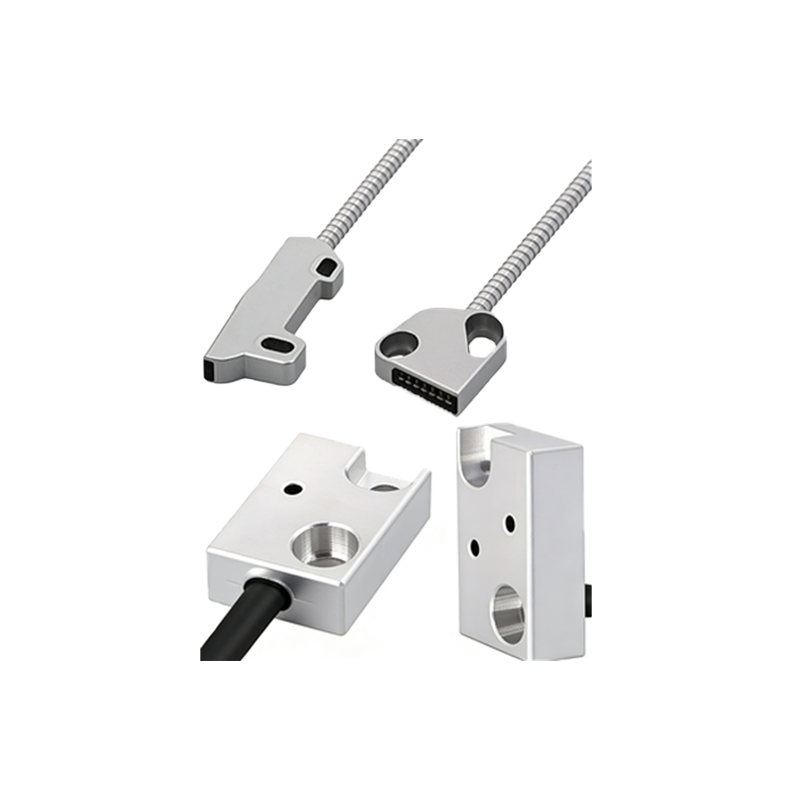
Introduction to Photoelectric Sensor Technology
Photoelectric sensors are pivotal components in modern automation and control systems, converting light signals into electrical outputs. These devices operate on principles such as through-beam, retro-reflective, and diffuse reflection methods, enabling precise detection of objects, distances, or environmental changes. In experimental modules, photoelectric sensors serve as foundational tools for learning and innovation, allowing engineers and students to explore real-world applications. Their integration with LED systems enhances functionality, particularly when combined with sound control mechanisms for dual-operation modes. This synergy creates versatile solutions for energy efficiency and smart lighting, making photoelectric sensors essential in both educational and industrial settings.
Design of the Sound and Light Dual-Control LED Module
The sound and light dual-control LED module combines a photoelectric sensor with a sound detection circuit to regulate LED illumination based on ambient conditions. Typically, the module includes a photoresistor or phototransistor to measure light intensity, alongside a microphone or piezoelectric sensor for sound detection. When ambient light falls below a set threshold, the photoelectric sensor triggers the LED to turn on, ensuring adequate lighting in dark environments. Simultaneously, the sound control feature activates the LED upon detecting noises like claps or footsteps, adding a layer of convenience for hands-free operation. This design is ideal for applications such as corridor lighting, security systems, or energy-saving projects, where automatic control reduces power consumption.
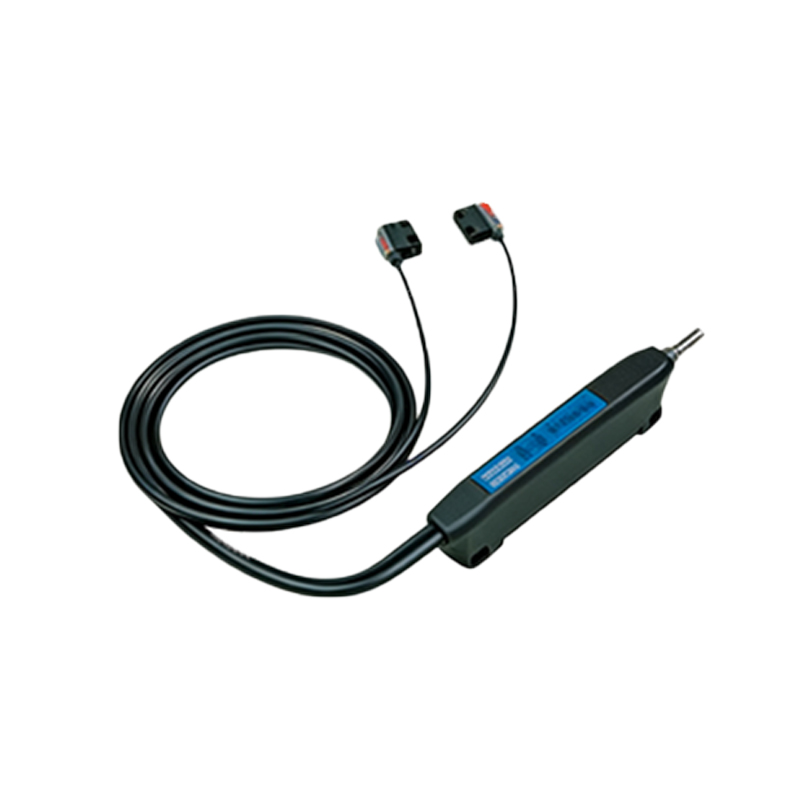
Experimental Setup and Circuit Configuration
To assemble the experimental module, start by connecting the photoelectric sensor to a microcontroller, such as an Arduino or Raspberry Pi, using standard jumper wires. The sensor's output pin should be linked to an analog input for light level readings, while the sound sensor connects to a digital input for noise detection. Power the module with a 5V DC supply, ensuring stable operation. In the circuit, incorporate resistors to calibrate sensitivity—for instance, a 10kΩ resistor with the photoresistor adjusts its response to light changes. Program the microcontroller to process inputs from both sensors: if light is low AND sound is detected, the LED turns on; otherwise, it remains off. This logic allows for customizable thresholds, enabling experiments with different environmental conditions.
Applications in Industrial and Educational Contexts
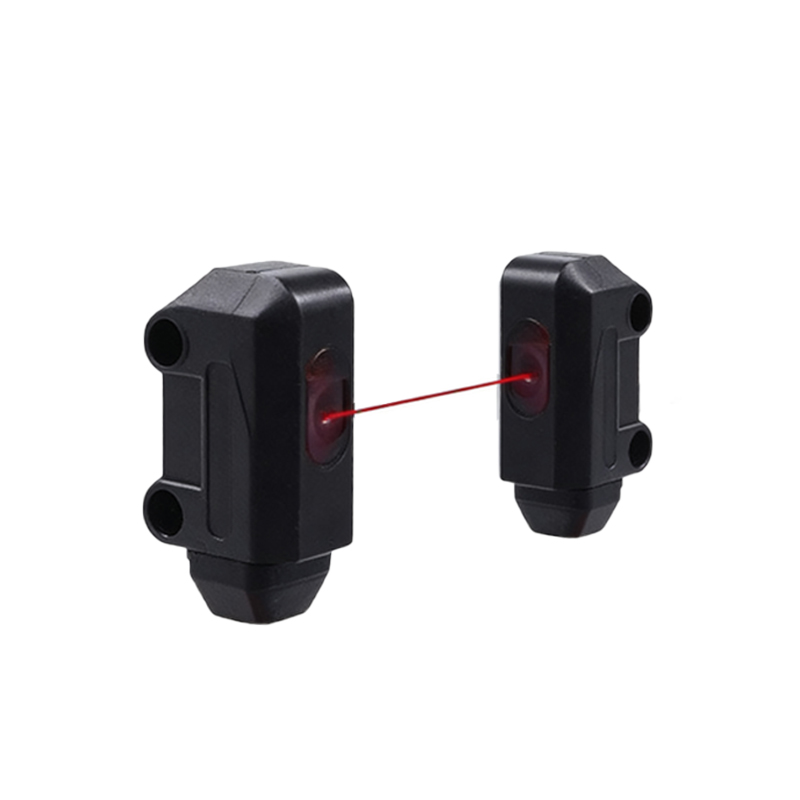
In industrial settings, photoelectric sensor-based LED systems are used for automated lighting in warehouses, factories, or outdoor areas, improving safety and reducing energy costs. The dual-control feature adds reliability—for example, in motion-activated security lights that also respond to sound triggers during low-light periods. Educationally, this module serves as a hands-on tool for teaching electronics, programming, and sensor integration. Students can modify code to adjust sensitivity, add timers for delayed shut-off, or integrate wireless controls via IoT platforms. Such experiments foster skills in problem-solving and innovation, preparing learners for careers in electrical engineering and automation technology.
Benefits and Future Developments
The primary benefits of this system include energy efficiency, as LEDs only activate when needed, and enhanced user convenience through dual-sensor control. Compared to single-sensor setups, it offers greater adaptability to varying environments, such as noisy or intermittently dark spaces. Future developments may involve integrating AI algorithms for smarter decision-making, such as distinguishing between human sounds and background noise. Additionally, advancements in miniaturization and wireless connectivity could lead to compact, IoT-enabled modules for smart home applications. By leveraging photoelectric sensor technology, these systems will continue to evolve, supporting sustainable and intelligent lighting solutions worldwide.