Introduction to Proximity Light Sensors
Proximity light sensors, often integrated into modern electronic devices, are components designed to detect the presence or absence of nearby objects without physical contact. These sensors typically use infrared (IR) light or other optical methods to sense proximity, enabling features like automatic screen dimming during calls or gesture recognition. In the context of smartphones and other gadgets, such sensors enhance user experience by conserving battery life and preventing accidental touches. The term "9" in this article refers to a hypothetical or specific device model, and the inquiry focuses on whether it incorporates this technology. Understanding the functionality and application of proximity light sensors is crucial for engineers and consumers alike, as it impacts device performance and usability.
Technical Specifications of the Device 9
The Device 9, as a representative model in the electronics market, boasts a range of advanced features. Key specifications include a high-resolution display, powerful processor, and multiple connectivity options. To determine if it includes a proximity light sensor, one must examine its hardware layout and sensor suite. Typically, manufacturers list sensor details in technical documentation or product manuals. For the Device 9, common sensors might include an accelerometer, gyroscope, ambient light sensor, and potentially a proximity sensor. The proximity light sensor, if present, would be located near the front-facing camera or earpiece, often as part of a combined module with other optical components. Engineers should verify this by reviewing schematics or conducting physical inspections.
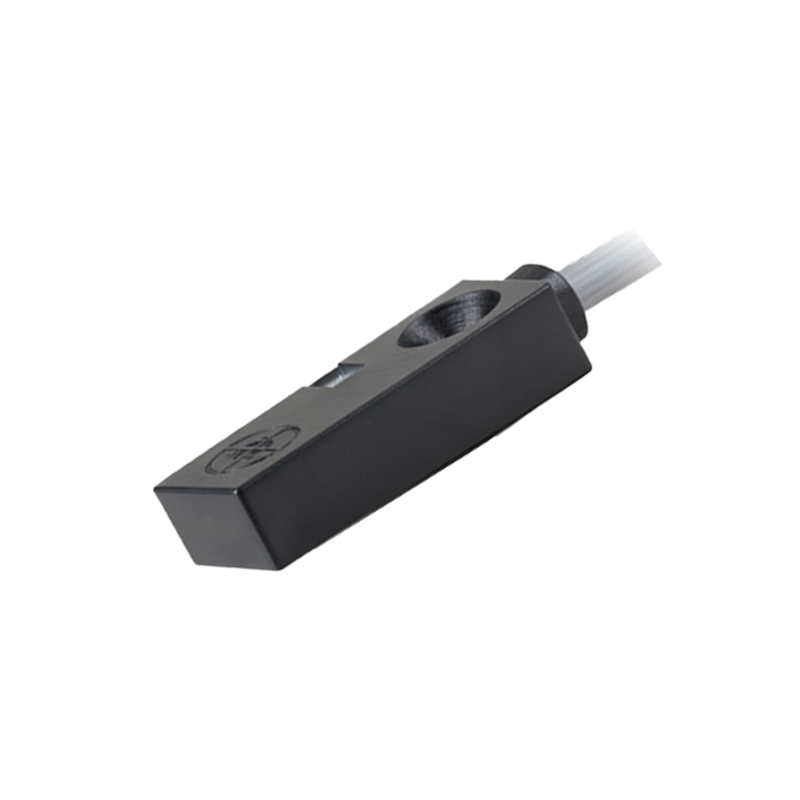
Functionality and Benefits of Proximity Sensors
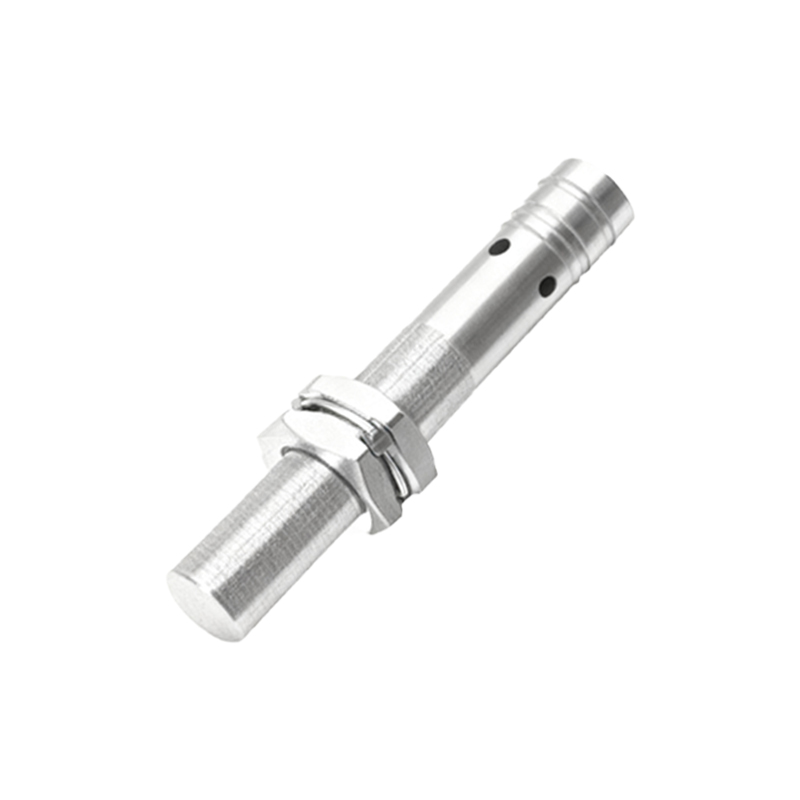
Proximity light sensors operate by emitting an IR beam and measuring its reflection off nearby objects. When an object, such as a user's face during a phone call, is detected within a certain range, the sensor triggers actions like turning off the display to save power and prevent unintended inputs. This functionality not only improves energy efficiency but also enhances safety by reducing radiation exposure. In industrial applications, these sensors are used for object detection, automation, and safety systems. For the Device 9, having a proximity sensor would mean better usability in daily scenarios, such as during calls or when storing the device in a pocket. It's a small but significant feature that contributes to overall device reliability.
Comparison with Other Sensor Types
It's important to distinguish proximity light sensors from other similar components. For instance, ambient light sensors adjust screen brightness based on environmental lighting but do not detect proximity. Accelerometers and gyroscopes measure motion and orientation, respectively, without involving light-based detection. The Device 9 might integrate multiple sensors to offer a comprehensive user experience. If it lacks a dedicated proximity light sensor, it could rely on software algorithms or alternative hardware, such as ultrasonic sensors, to mimic proximity functions. However, optical proximity sensors are generally preferred for their accuracy and low power consumption in consumer electronics. Engineers should assess the trade-offs based on the device's intended use cases.
Verification Methods for Sensor Presence
To confirm whether the Device 9 has a proximity light sensor, several methods can be employed. First, check the official product specifications or user manual, which often detail the sensor array. Second, use diagnostic apps or built-in device settings that list hardware components; for example, on smartphones, apps like "Sensor Test" can detect and report sensor availability. Third, physically inspect the device's front panel under bright light to spot the small IR emitter and receiver, usually visible as tiny dark circles. Additionally, during a call, cover the area near the earpiece with your hand; if the screen turns off, it likely indicates a working proximity sensor. These steps help engineers and users verify the feature without disassembling the device.
Industry Trends and Future Implications
The integration of proximity light sensors is becoming standard in many electronic devices due to their utility and declining cost. In the broader electrical industry, advancements in sensor technology, such as miniaturization and improved sensitivity, are driving innovation in IoT devices, automotive systems, and smart home products. For devices like the Device 9, future iterations may include enhanced sensors with AI capabilities for gesture control or environmental monitoring. Engineers should stay updated on these trends to design more efficient and user-friendly products. If the Device 9 currently lacks a proximity sensor, it might be added in later models to remain competitive, reflecting the industry's push toward smarter, more responsive electronics.
Conclusion and Recommendations
In summary, the presence of a proximity light sensor in the Device 9 depends on its specific model and manufacturer decisions. Based on typical industry standards, many modern devices include such sensors for improved functionality. To ensure accuracy, users and engineers should refer to official resources or perform